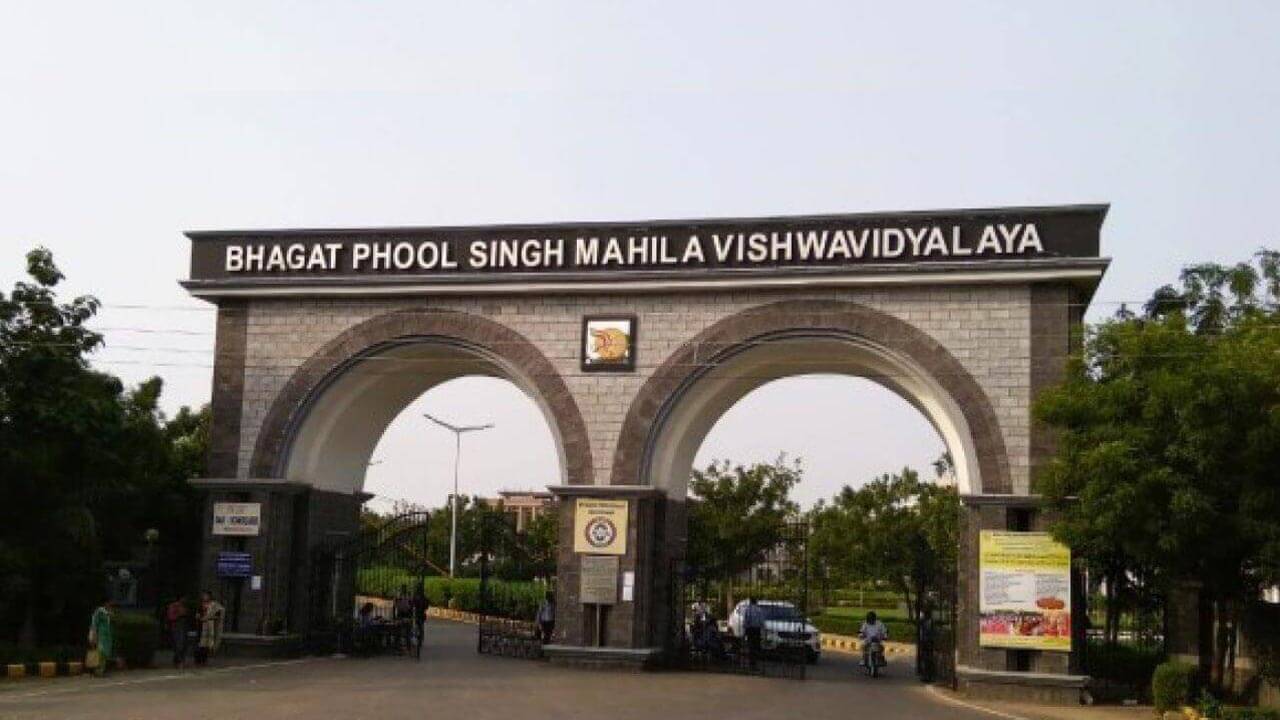
Introduction
A PhD (Doctor of Philosophy) is the highest academic degree, designed for advanced research, innovation, and academic expertise. The PhD Admission 2026 process involves meeting eligibility criteria, appearing for entrance exams (if required), and submitting a research proposal for evaluation. This guide provides a complete overview of eligibility, admission process, fees, research areas, and career opportunities.
Eligibility Criteria
Academic Requirements
A Master’s degree in a relevant field is required.
Most universities require a minimum of 55–60% marks at the Master’s level.
Candidates from reserved categories may have relaxed criteria.
Entrance Exam Requirement
Some universities accept candidates with NET/SET qualification.
Others conduct university-specific PhD entrance exams.
In some cases, interviews and research proposals form part of the eligibility assessment.
PhD Entrance Exam 2026
Exam Pattern
Research aptitude: Logical reasoning and analytical skills.
Subject knowledge: Core concepts of the chosen field.
Research proposal evaluation: Understanding of the proposed research topic.
Preparation Tips
Study previous years’ papers to understand exam trends.
Practice research proposal writing and academic writing skills.
Focus on time management and structured answers.
PhD Fee Structure
Typical Fee Range
Annual fees generally range between ₹50,000 and ₹3,00,000.
Part-time PhD programs usually cost less.
Additional Costs
Laboratory or research materials
Conference participation and travel expenses
Thesis submission and publication fees
Admission Process
Step-by-Step Process
Submit online application form through university portal.
Complete document verification – mark sheets, certificates, research proposal.
Appear for entrance exam or interview (if required).
Receive final selection and admission confirmation.
Subjects and Specializations
PhD programs offer a wide range of fields:
Science & Technology: AI, Biotechnology, Nanotechnology, Robotics.
Arts & Humanities: Literature, History, Philosophy, Languages.
Management & Social Sciences: Economics, Sociology, Public Policy.
Research Areas
Importance of Selecting the Right Area
Determines career trajectory and future opportunities.
Aligns with academic and industry demand.
Influences thesis and publications.
Popular Research Areas
Interdisciplinary research in AI, Data Science, Climate Studies
Sustainable Agriculture and Biotechnology
Social Innovation and Public Policy
PhD Syllabus and Course Duration
Duration
Full-time PhD: 3–5 years
Part-time PhD: 4–6 years
Duration depends on research progress and thesis submission.
Syllabus Overview
Research methodology and ethics
Core subject knowledge
Thesis writing and research publications
Seminars, workshops, and conferences
Scholarships and Career Scope
Scholarships
Merit-based scholarships and fellowships
Research grants and conference funding
Financial support from government and private organizations
Career Opportunities
Academic teaching and professorship
Research positions in government and private labs
Corporate R&D and consultancy roles
Entrepreneurship and start-ups
Conclusion
PhD Admission 2026 opens doors to advanced research, academic growth, and professional development. By understanding eligibility, entrance exams, fees, admission processes, research areas, and career scope, candidates can plan their PhD journey efficiently.