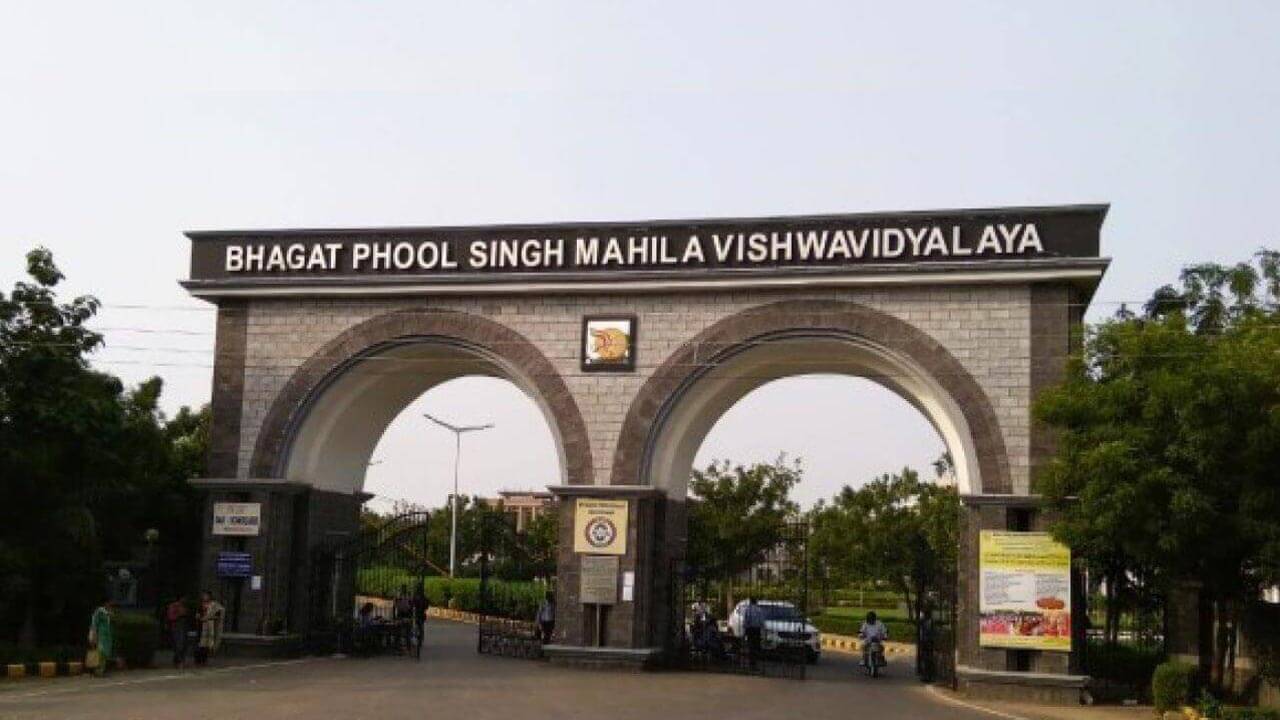
Introduction about Ph.D. in Engineering at Birla Institute of Technology
The Birla Institute of Technology (BIT) has earned a reputation as a premier research‑intensive university in India. Its Ph.D. programmes in Engineering are designed for professionals who aspire to become thought‑leaders, innovators, and academicians. By combining rigorous coursework with cutting‑edge research, BIT equips scholars with the analytical prowess and technical depth required to solve complex engineering challenges across sectors such as manufacturing, information technology, renewable energy, and biomedical devices.
Whether you aim to lead R&D teams, publish influential papers, or launch a technology startup, a Ph.D. from BIT provides a solid foundation for a sustainable, high‑impact career.
Ph.D Admission 2026-2027 & Writing Support Services by Shiksha Research
Eligibility Criteria for Ph.D. in Engineering at Birla Institute of Technology
- Educational Qualification: A Master’s degree (M.Tech, M.E., M.Sc., or equivalent) with a minimum of 55% aggregate (or 5.0 CGPA on a 10‑point scale). Candidates holding a B.E./B.Tech with a minimum of 65% may also be considered under the direct entry scheme.
- Research Aptitude: Demonstrated interest in research through publications, project work, patents, or relevant industry experience.
- Age Limit: No upper age restriction, but candidates must meet the academic standards set by BIT.
- English Proficiency: IELTS 6.0 or TOEFL 80 for international applicants.
Entrance Exam for Ph.D. in Engineering at Birla Institute of Technology
BIT conducts a two‑stage selection process:
- Written Test: A 2‑hour exam assessing quantitative ability, logical reasoning, research methodology, and domain‑specific knowledge. The test is conducted online and is usually scheduled in the months of January–February.
- Interview & Presentation: Shortlisted candidates present a research proposal and undergo a viva‑voce conducted by the department faculty and external experts.
Candidates who have qualified national-level exams such as GATE (score ≥ 550) or UGC‑NET are exempted from the written test but must clear the interview.
Fee Structure for Ph.D. in Engineering at Birla Institute of Technology
| Category | Annual Tuition Fee (INR) | Additional Charges |
|---|---|---|
| General (Self‑Financed) | 55,000 | Library & Lab Fees: 5,000 |
| SC/ST/PWD (Government‑Sponsored) | 30,000 | Laboratory & Material Support: Waived |
| International Students | 75,000 | IT & Campus Services: 8,000 |
Scholarships, research assistantships, and industry‑funded projects can substantially reduce the payable amount.
Admission Process for Ph.D. in Engineering at Birla Institute of Technology
- Register online on the BIT admission portal and fill the Ph.D. application form.
- Upload scanned copies of academic certificates, GATE/NET scorecards, and a research proposal (max 1500 words).
- Pay the non‑refundable application fee (₹1,200 for Indian candidates, $30 for overseas).
- Appear for the written test (unless exempted) and subsequently attend the interview.
- Receive the admission offer letter via email, accept the terms, and pay the first year’s tuition to confirm the seat.
- Complete enrolment formalities, obtain a university ID, and start attending orientation sessions.
Ph.D. Subjects and Specializations in Engineering at Birla Institute of Technology
BIT offers a wide array of specializations to match emerging industry needs:
- Computer Science & Engineering (AI, Data Science, Cybersecurity)
- Electrical & Electronics Engineering (Power Systems, VLSI, IoT)
- Mechanical Engineering (Robotics, Additive Manufacturing, Thermofluids)
- Civil Engineering (Smart Infrastructure, Geotechnical Engineering)
- Chemical Engineering (Process Optimization, Sustainable Materials)
- Biomedical Engineering (Medical Imaging, Bio‑instrumentation)
Research Areas in Engineering at Birla Institute of Technology
BIT’s research ecosystem encourages interdisciplinary collaboration. Current focal areas include:
- Renewable Energy Systems & Smart Grids
- Advanced Manufacturing & Industry 4.0
- Artificial Intelligence & Machine Learning for Engineering Applications
- Nanomaterials & Nano‑electronics
- Healthcare Technologies and Tele‑medicine
- Urban Mobility and Sustainable Transport
Prospective scholars can also leverage the university’s state‑of‑the‑art labs, high‑performance computing clusters, and industry partnerships.
Documents Required for Ph.D. in Engineering at Birla Institute of Technology
| Document | Specification |
|---|---|
| Academic Transcripts | Original & certified copies of Bachelor’s and Master’s degrees |
| GATE/NET Scorecard | Valid for the last 3 years (if applicable) |
| Research Proposal | 1500‑word document outlining objectives, methodology, and expected outcomes |
| Curriculum Vitae | Professional format, highlighting publications, patents, and projects |
| Letter of Recommendation (2) | From academic supervisors or senior industry mentors |
| Proof of Identity | Aadhaar/Passport (for Indian candidates) or Passport (for foreign candidates) |
Birla Institute of Technology Ph.D. Syllabus for Engineering
The doctoral syllabus is structured into three core components:
- Core Courses (12 credits): Research Methodology, Advanced Statistics, Ethics in Research, and a Discipline‑Specific Seminar.
- Elective Modules (6 credits): Choose from specialized subjects such as “Deep Learning for Signal Processing” or “Smart Materials.”
- Thesis Work (30+ credits): Original research culminating in a dissertation that meets the standards of peer‑reviewed journals.
All coursework is delivered through a blend of classroom sessions, virtual labs, and industry‑led workshops.
Birla Institute of Technology Research Methodology for Ph.D. in Engineering
BIT follows a systematic, outcome‑oriented research methodology:
- Problem Definition: Identify a real‑world engineering challenge through literature review and stakeholder analysis.
- Hypothesis Formulation: Develop testable hypotheses aligned with engineering principles.
- Experimental Design: Choose appropriate simulation tools, prototypes, or field trials.
- Data Collection & Analysis: Employ robust statistical techniques; for advanced analytics, consider Research Data Analysis Services.
- Result Validation: Cross‑validate findings with peer benchmarks and industry standards.
- Dissemination: Publish in high‑impact journals, present at conferences, and file patents when applicable.
Highlights of Ph.D. in Engineering at Birla Institute of Technology
| Feature | Benefit |
|---|---|
| World‑Class Faculty | Guidance from award‑winning researchers and industry veterans. |
| State‑of‑the‑Art Infrastructure | Access to nanofabrication labs, AI compute clusters, and high‑speed testing facilities. |
| Industry Collaboration | Joint projects with leading firms like Tata, Siemens, and Infosys. |
| Funding Opportunities | Scholarships, research assistantships, and project‑based stipends. |
| Global Exposure | Exchange programmes with partner universities in Europe and North America. |
How To Apply for Ph.D. in Engineering at Birla Institute of Technology
Follow these concise steps to submit a successful application:
- Visit the official BIT Ph.D. admissions portal and create a user profile.
- Complete the online application form, ensuring all mandatory fields are filled.
- Upload the required documents (as listed in the Documents section) in PDF format.
- Pay the application fee via net‑banking or credit card.
- Schedule the written test (if applicable) and download the admit card.
- After the interview, accept the admission offer and remit the first year’s tuition to secure your seat.
Career Scope and Job Opportunities After Ph.D. in Engineering from Birla Institute of Technology
Graduates enjoy diverse career pathways:
- Academic Positions: Assistant Professor, Associate Professor, or Research Fellow in premier universities worldwide.
- Industry R&D: Lead research teams in sectors like aerospace, automotive, IT, and renewable energy.
- Entrepreneurship: Launch tech startups leveraging patented innovations—BIT’s incubation centre offers seed funding and mentorship.
- Consultancy: Provide expert advisory services to governmental agencies and multinational corporations.
- Policy & Advisory Roles: Contribute to national science and technology policy formulation.
According to recent placement data, 78% of Ph.D. graduates secure positions within six months of graduation, with an average salary increment of 45% over their pre‑Ph.D. compensation.
Scholarship for Ph.D. in Engineering at Birla Institute of Technology
BIT offers several merit‑based and need‑based scholarships:
- Merit Scholarship: Full tuition waiver for candidates with a GATE score above 650.
- Research Assistantship: Stipend of ₹18,000 per month for students engaged in funded projects.
- Women in STEM Grant: Dedicated financial support for female scholars.
- Industry‑Sponsored Fellowship: Collaboration with corporate partners offering project‑specific funding.
Apply for these scholarships during the admission cycle by submitting the required financial statements and academic certificates.
FAQs Regarding Ph.D. in Engineering at Birla Institute of Technology
- Q1: Can I pursue a Ph.D. part‑time while working?
- Yes. BIT offers a flexible part‑time mode for working professionals, with extended timelines for coursework and thesis submission.
- Q2: What is the typical duration of a full‑time Ph.D.?
- Normally 3–4 years, depending on the research scope and publication requirements.
- Q3: Are there provisions for international collaborations?
- Absolutely. BIT has MoUs with universities in the US, UK, Germany, and Japan, facilitating joint supervision and exchange visits.
- Q4: How can I get help with writing my dissertation?
- Students may avail professional assistance through Thesis and Dissertation Writing Services to enhance clarity and compliance with academic standards.
- Q5: Is there support for publishing my research?
- Yes. BIT’s Research Publication Support team, accessed via Research Publication Support, assists in journal selection, manuscript editing, and submission processes.
- Q6: Can I receive assistance with patent filing?
- Indeed. The university’s Technology Transfer Office, in collaboration with Patent Filing and Support Services, guides scholars through the entire patenting pipeline.
- Q7: What if I need help designing a questionnaire for my research?
- BIT recommends the expertise of Questionnaire Design and Development specialists to ensure validity and reliability.
- Q8: Are there options for editing and proofreading my thesis?
- Professional Editing and Proofreading Services are available to polish language, format, and citation style.
- Q9: How do I choose a suitable research topic?
- Students can consult the PhD Topic Selection and Proposal Assistance service for guidance on aligning interests with emerging research gaps.
- Q10: Is there assistance with the entire admission process?
- Yes. The PhD Admission Assistance service can help navigate application preparation, document verification, and interview preparation.