Ph.D. From Bihar Agricultural University : Introduction, Fee Structure, Admission Process, Ph.D. Subjects, Documents, Syllabus, Methodology, Highlights, Scholarship, FAQs
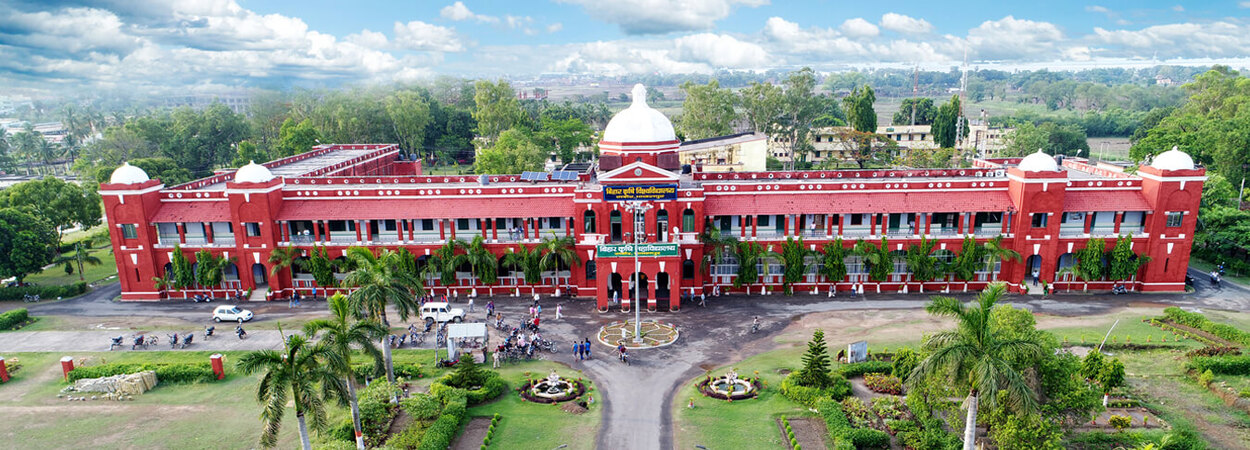
Introduction about Ph.D. From Bihar Agricultural University
Bihar Agricultural University (BAU) in Bihar is a prestigious institution dedicated to advancing agricultural education and research. The Ph.D. program at BAU is designed for scholars seeking to explore innovative research in the agricultural sciences and related fields. With a rich legacy of academic excellence and a strong commitment to practical and sustainable agricultural practices, BAU offers an environment that fosters critical inquiry, innovative research, and comprehensive learning.
The program provides an opportunity for candidates to engage deeply in research across various disciplines including agronomy, horticulture, plant pathology, animal sciences, soil science, and agricultural engineering. Under the mentorship of experienced faculty and researchers, students are encouraged to pursue interdisciplinary research projects that address contemporary challenges in agriculture and rural development. BAU’s state-of-the-art laboratories, extensive research fields, and well-stocked libraries further enhance the learning experience, enabling students to conduct high-quality research that contributes to both local and global agricultural advancements.
In addition to its robust academic framework, BAU promotes a collaborative learning environment that encourages peer interaction, industry partnerships, and international research collaborations. The Ph.D. program is structured to not only impart advanced knowledge and research skills but also to cultivate leadership qualities and innovative problem-solving abilities in its candidates. Graduates of the program emerge as experts equipped to drive progressive change in agriculture, making significant contributions to sustainable development and food security initiatives.
Fee Structure for Ph.D. in Bihar Agricultural University
| Tuition Fee Per Year | Registration Fee | Total Fee |
|---|---|---|
| ₹18,000 | ₹3,000 | ₹21,000 |
| ₹20,000 | ₹3,000 | ₹23,000 |
| ₹22,000 | ₹3,000 | ₹25,000 |
The fee structure at Bihar Agricultural University is designed to be both affordable and transparent, ensuring that prospective Ph.D. candidates have a clear understanding of the financial requirements. The table above provides a breakdown of the tuition fee per year, the standard registration fee, and the total estimated fee. Please note that fees may vary depending on departmental specifics and additional research facilities required.
Admission Process For Ph.D. in Bihar Agricultural University
The admission process for the Ph.D. program at BAU is comprehensive and aims to select candidates with strong academic backgrounds and a clear research vision. The multi-step process ensures that applicants are evaluated thoroughly based on their academic credentials and research potential.
- Fill out the application form available on the official BAU website.
- Submit your academic transcripts, degree certificates, and other relevant educational documents.
- Provide a detailed research proposal outlining your research objectives, methodology, and anticipated outcomes.
- Undergo a preliminary screening based on your academic record and the quality of your research proposal.
- Appear for a Ph.D. entrance examination (if required) to assess subject knowledge and research aptitude.
- Attend a personal interview with the departmental selection committee.
- Receive an official admission offer upon successful evaluation.
- Complete the enrollment process by paying the registration fee and submitting any additional documents.
It is crucial that candidates adhere to application deadlines and ensure that all required documents are complete and accurate, as this will facilitate a smooth admissions process.
Ph.D. Subjects in Bihar Agricultural University
| Department | Specializations |
|---|---|
| Agronomy | Cereal Crops, Pulses, Oilseeds |
| Horticulture | Fruits, Vegetables, Floriculture |
| Plant Pathology | Crop Diseases, Pest Management, Integrated Pest Management |
| Soil Science | Soil Fertility, Soil Chemistry, Soil Physics |
| Animal Sciences | Livestock Production, Dairy Science, Animal Genetics |
| Agricultural Engineering | Farm Machinery, Irrigation, Post-Harvest Technology |
BAU offers a diverse range of Ph.D. subjects, enabling candidates to pursue research in their chosen specialization within the field of agriculture. This variety ensures that students can focus on areas that match their research interests and career aspirations.
Document Required For Ph.D. in Bihar Agricultural University
To ensure a smooth evaluation process, candidates must submit a complete set of documents along with their application. The required documents are as follows:
- Completed application form with accurate personal and academic details.
- Official academic transcripts and degree certificates from recognized institutions.
- Proof of qualifying examinations (e.g., a Master’s degree certificate or equivalent).
- A detailed research proposal outlining your research objectives, methodology, and potential impact.
- Two or three letters of recommendation from academic or professional referees.
- A comprehensive curriculum vitae (CV) highlighting your academic achievements, research experience, and relevant accomplishments.
- Proof of identity (such as Aadhaar card, passport, or driver's license).
- Recent passport-sized photographs.
- Any additional certificates or documents that support your application.
It is essential that all documents are current and properly verified to avoid delays in the review of your application.
Bihar Agricultural University Ph.D. Syllabus
| Course Module | Topics Covered |
|---|---|
| Advanced Research Methodology | Research Design, Qualitative & Quantitative Methods, Data Analysis, Ethical Considerations |
| Literature Review & Theoretical Framework | Critical Analysis, Research Tools, Theoretical Approaches, Citation Management |
| Specialization Courses | Subject-Specific Theories, Case Studies, Contemporary Issues |
| Seminars & Workshops | Interactive Sessions, Guest Lectures, Collaborative Research Projects |
| Dissertation & Thesis Development | Proposal Writing, Field Research, Data Interpretation, Thesis Composition, Defense Preparation |
The syllabus is designed to offer a balanced mix of theoretical instruction and practical research training, equipping candidates with the necessary skills to conduct independent and impactful research.
Bihar Agricultural University Research Methodology
- Comprehensive training in both qualitative and quantitative research techniques.
- Hands-on experience with modern data collection methods and statistical analysis tools.
- Emphasis on ethical research practices and responsible data management.
- Interactive workshops on research design and proposal development.
- Guidance from expert faculty on refining and defending your research proposal.
- Opportunities for interdisciplinary collaboration and innovative problem-solving.
This robust research methodology training ensures that every Ph.D. candidate is well-prepared to undertake high-quality, independent research.
Bihar Agricultural University Highlights
| Aspect | Details | Additional Information |
|---|---|---|
| Academic Excellence | Renowned faculty, research-oriented curriculum, and innovative teaching. | High academic standards and peer-reviewed research |
| Modern Infrastructure | State-of-the-art laboratories, extensive libraries, and digital resources. | Advanced campus facilities |
| Research Facilities | Dedicated research centers and well-equipped field stations. | Collaborative projects with national and international bodies |
| Interdisciplinary Focus | Programs encouraging cross-departmental research and innovation. | Integrated research approach |
| Student Support | Robust mentoring, career counseling, and placement assistance. | Dedicated support services for research scholars |
| Global Collaborations | Partnerships with leading agricultural research institutions worldwide. | Exchange programs and joint research initiatives |
| Affordability | Competitive fee structure with various scholarship options. | Transparent and affordable education |
| Innovation | Focus on emerging technologies and sustainable agricultural practices. | Support for innovative research projects |
How To Apply For Ph.D. in Bihar Agricultural University
- Visit the official Bihar Agricultural University website and navigate to the Ph.D. admissions section.
- Download or complete the online application form with accurate personal and academic details.
- Submit all required documents including academic transcripts, degree certificates, and a detailed research proposal.
- Follow the guidelines for entrance examinations and interviews (if applicable).
- Pay the registration fee as specified in the application instructions.
- Receive an acknowledgment email and further instructions from the admissions office.
- Prepare for any additional evaluation rounds as per your chosen department's requirements.
- Complete the enrollment process upon receiving your official admission offer.
Following these steps carefully will ensure a smooth application process and enhance your chances of securing a position in the Ph.D. program.
Courses After Ph.D. in Bihar Agricultural University
- Post-Doctoral Research Fellowships
- Advanced Certification Programs in Emerging Agricultural Technologies
- Executive Courses for Leadership in Agricultural Research
- Short-Term Workshops on Innovative Farming Techniques
- Interdisciplinary Training Programs for Skill Enhancement
These additional courses and programs offer Ph.D. graduates the opportunity to further specialize, enhance their research skills, and transition into leadership roles in both academia and the industry.
Bihar Agricultural University Scholarship
Bihar Agricultural University is dedicated to supporting its doctoral candidates by offering a variety of scholarship programs designed to ease the financial burden of advanced studies. These scholarships are awarded based on academic merit, research potential, and financial need. They may cover tuition fees, research expenses, and provide a monthly stipend to help with living costs during the course of study. Additionally, departmental scholarships and special grants are available for candidates who demonstrate exceptional research innovation and promise. The application process for these scholarships is competitive and requires the submission of a detailed research proposal along with supporting documents. By providing robust financial support, the university ensures that talented scholars have the opportunity to pursue their research without financial hindrances, thereby fostering an environment of academic excellence and innovation.
- Merit-Based Scholarships for exceptional academic performance.
- Need-Based Financial Assistance for candidates with limited resources.
- Research Grants to support innovative projects and field studies.
- Departmental Scholarships for specialized research areas.
Bihar Agricultural University FAQ's Regarding Ph.D.
- Q1: What is the typical duration of the Ph.D. program?
A1: The Ph.D. program typically takes between 3 to 5 years, depending on the field of study and research progress. - Q2: What are the eligibility criteria for admission?
A2: Applicants must hold a relevant Master’s degree with a strong academic record and submit a detailed research proposal. - Q3: Is an entrance exam required for Ph.D. admissions?
A3: Yes, most departments require candidates to appear for an entrance exam followed by a personal interview. - Q4: What documents are needed for the application?
A4: Required documents include academic transcripts, degree certificates, a research proposal, letters of recommendation, a CV, identity proof, and recent photographs. - Q5: Are there scholarships available for Ph.D. candidates?
A5: Yes, the university offers various scholarships based on merit, financial need, and research potential. - Q6: Can the research topic be modified after admission?
A6: Minor modifications may be allowed with the approval of your supervisor and the academic committee. - Q7: What are the main research areas available?
A7: Research areas include agronomy, horticulture, plant pathology, soil science, animal sciences, and agricultural engineering. - Q8: How does the university support Ph.D. research?
A8: The university provides modern research facilities, dedicated laboratories, research centers, and expert faculty mentorship. - Q9: What career opportunities are available after completing the Ph.D.?
A9: Graduates can pursue careers in academia, research institutions, industry R&D, consulting, and post-doctoral fellowships. - Q10: Where can I find more detailed information about the Ph.D. program?
A10: Detailed information is available on the official Bihar Agricultural University website and the admissions portal.
