Ph.D. From Central Agricultural University : Introduction, Fee Structure, Admission Process, Ph.D. Subjects, Documents, Syllabus, Methodology, Highlights, Scholarship, FAQs
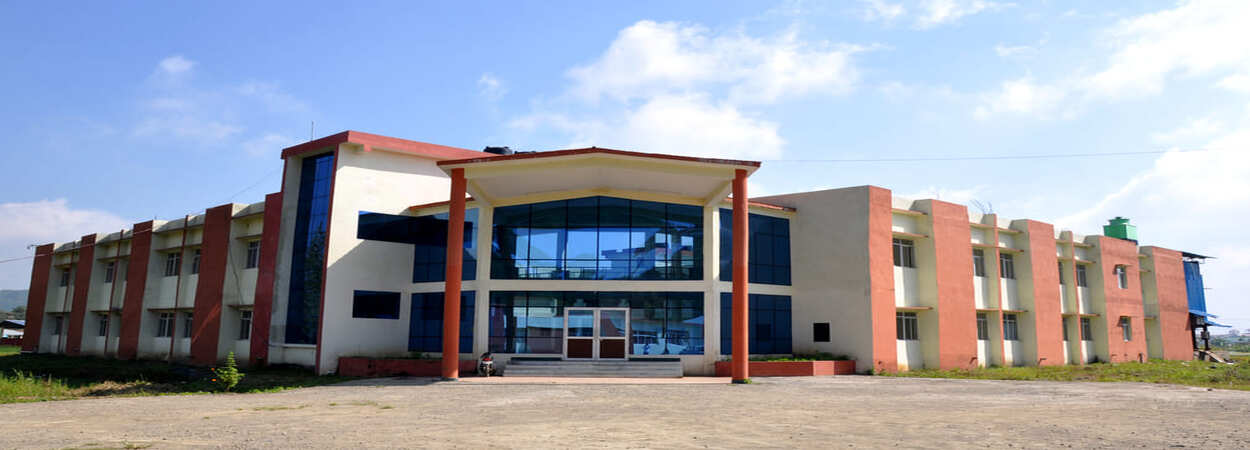
Introduction about Ph.D. From Central Agricultural University
Central Agricultural University, located in the heart of Manipur, is renowned for its excellence in agricultural research and education. The Ph.D. program offered by the university is meticulously designed to foster advanced research skills, critical thinking, and innovative approaches to solving agricultural challenges. With a curriculum that combines theoretical learning with practical applications, the program prepares candidates to contribute significantly to the advancement of agricultural sciences. Students benefit from world-class laboratories, extensive libraries, and the guidance of experienced faculty members who are experts in their fields. The university’s commitment to sustainability, innovation, and community engagement is reflected in its research initiatives and collaborative projects. Emphasis is placed on interdisciplinary studies, ensuring that candidates receive a holistic education that bridges the gap between academic research and real-world applications. The program not only focuses on cutting-edge research methodologies but also encourages publication in reputed journals, participation in international conferences, and collaboration with industry experts. This robust educational framework ensures that graduates are well-equipped to address the dynamic challenges of modern agriculture and contribute to sustainable development.
Fee Structure for Ph.D. in Central Agricultural University
| Fee Component | Amount (in INR) |
|---|---|
| Tuition Fee Per Year | 70,000 |
| Registration Fee | 20,000 |
| Total Fee | 90,000 |
Admission Process For Ph.D. in Central Agricultural University
The admission process for the Ph.D. program at Central Agricultural University is designed to identify candidates with strong academic credentials and a clear research vision. The process involves several key stages to ensure that applicants are evaluated thoroughly and fairly.
- Review the eligibility criteria as detailed on the official website.
- Fill out the online application form with accurate personal and academic information.
- Submit all required documents, including academic transcripts and research proposals.
- Appear for an entrance test or written examination, if applicable.
- Attend a personal interview with the selection committee.
- Receive admission notification upon successful evaluation.
- Complete the enrollment process by paying the requisite fees.
Ph.D. Subjects in Central Agricultural University
| Subject Code | Subject Name |
|---|---|
| CAU101 | Advanced Agricultural Research |
| CAU102 | Sustainable Crop Production |
| CAU103 | Agroecology and Environmental Management |
| CAU104 | Plant Genetics and Biotechnology |
| CAU105 | Soil Science and Nutrient Management |
Document Required For Ph.D. in Central Agricultural University
Applicants are required to submit a comprehensive set of documents that validate their academic achievements and research potential. These documents are crucial for the evaluation process and help the admissions committee to assess the applicant’s suitability for the Ph.D. program.
- Master’s degree certificate and detailed mark sheets.
- Undergraduate degree certificate and transcripts.
- A detailed research proposal outlining the intended area of study.
- Updated Curriculum Vitae (CV) showcasing academic and research accomplishments.
- Two or more letters of recommendation from academic or professional referees.
- Proof of identity and residence (such as Aadhar card, Passport).
- Copies of any published research articles or academic papers, if available.
Central Agricultural University Ph.D. Syllabus
| Module | Topics Covered |
|---|---|
| Module 1: Research Fundamentals | Research design, literature review, hypothesis formulation |
| Module 2: Advanced Theoretical Concepts | Contemporary theories, conceptual frameworks, critical analysis |
| Module 3: Data Collection & Analysis | Quantitative and qualitative methods, statistical tools, data interpretation |
| Module 4: Dissertation Writing | Structuring the dissertation, academic writing, citation management |
| Module 5: Research Ethics | Ethical considerations, plagiarism policies, research compliance |
Central Agricultural University Research Methodology
- Conduct a comprehensive literature review to identify research gaps.
- Formulate clear research questions and hypotheses.
- Select appropriate research designs and methodologies.
- Collect data using qualitative and quantitative methods.
- Apply advanced statistical tools for data analysis.
- Interpret research findings and draw logical conclusions.
- Adhere strictly to ethical guidelines and research protocols.
Central Agricultural University Highlights
| Aspect | Details | Additional Information |
|---|---|---|
| Established | 1980 | Over 40 years of academic excellence |
| Location | Manipur, India | Scenic and research-friendly environment |
| Campus Area | 200 acres | Modern infrastructure and green spaces |
| Research Facilities | Advanced labs & research centers | Equipped with modern technology |
| Faculty Strength | 150+ | Highly experienced and research-oriented |
| Collaborations | National & International | Extensive research networks |
| Student Body | 2500+ | Diverse academic community |
| Accreditations | NAAC, ICAR | Recognized excellence in agriculture |
| Alumni Network | Global | Successful professionals worldwide |
How To Apply For Ph.D. in Central Agricultural University
- Visit the official Central Agricultural University website and navigate to the Ph.D. admissions section.
- Review the eligibility criteria and ensure you meet the minimum requirements.
- Fill out the online application form with accurate details.
- Upload all necessary documents, including academic transcripts, research proposal, and identification proofs.
- Submit the application before the specified deadline.
- Prepare for any entrance exams or interviews as required.
- Monitor your email and applicant portal for updates and notifications.
- Complete the enrollment process upon receiving an offer of admission.
Courses After Ph.D. in Central Agricultural University
- Post-Doctoral Research Fellowships
- Advanced Research Methodology Workshops
- Specialized Short-Term Certification Programs
- Faculty Development Courses
- Interdisciplinary Research Programs
- Industry Collaboration Initiatives
Central Agricultural University Scholarship
Central Agricultural University offers a range of scholarships to support its Ph.D. candidates. These scholarships are awarded based on academic merit, research potential, and the quality of the proposed research project. They are designed to ease the financial burden and allow students to focus on their research without distractions. The scholarships typically cover tuition fees, research expenses, and, in some cases, a monthly stipend to assist with living expenses. In addition to these, the university also provides travel grants for attending national and international conferences, ensuring that students have the opportunity to present their findings and gain valuable exposure in the academic community. Overall, these financial aids play a crucial role in fostering an environment of research excellence and innovation.
- Merit-based scholarships
- Research grants for project funding
- Travel grants for conference participation
- Stipends for living expenses
- Special fellowships for interdisciplinary research
Central Agricultural University FAQ's Regarding Ph.D.
- What are the eligibility criteria for the Ph.D. program?
Candidates must hold a relevant Master’s degree with a minimum required percentage and submit a comprehensive research proposal.
- How do I apply for the Ph.D. program?
The application process is conducted online via the official university website. Applicants must complete the form and submit the required documents.
- What does the fee structure include?
The fee structure comprises the annual tuition fee, registration fee, and other nominal charges as specified on the university website.
- Are there any scholarships available?
Yes, the university offers a variety of scholarships based on academic merit and research potential to support Ph.D. candidates.
- What subjects can I specialize in during the Ph.D. program?
The program offers specializations in areas such as advanced agricultural research, sustainable farming practices, plant biotechnology, and environmental management.
- What documents are required during the admission process?
Applicants must provide academic transcripts, degree certificates, a detailed research proposal, a current CV, letters of recommendation, and proof of identity.
- How is the Ph.D. syllabus structured?
The syllabus is divided into modules covering research fundamentals, advanced theories, data collection & analysis, dissertation writing, and research ethics.
- What research methodology is adopted in the program?
The research methodology includes extensive literature reviews, formulation of hypotheses, data collection using qualitative and quantitative methods, and rigorous data analysis.
- What career opportunities are available after completing the Ph.D.?
Graduates can pursue academic positions, research roles in industry, consultancy, and leadership positions in various sectors related to agriculture and environmental sciences.
- How long does the Ph.D. program usually take?
The duration of the Ph.D. program typically ranges from 3 to 5 years, depending on the research area and candidate progress.
