Ph.D. From Indira Gandhi Institute of Development Research, Maharashtra
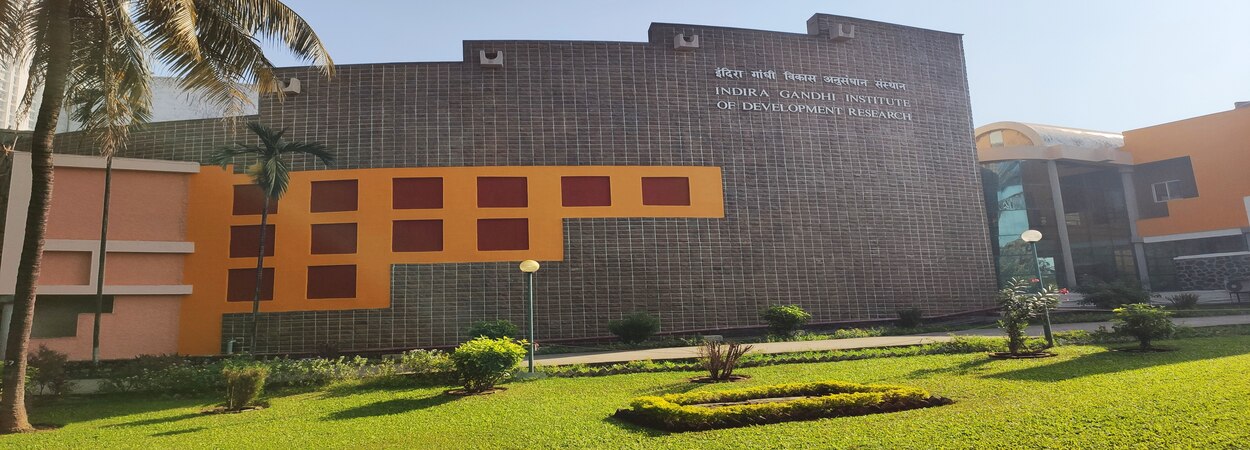
Introduction about Ph.D. From Indira Gandhi Institute of Development Research
The Ph.D. program at Indira Gandhi Institute of Development Research (IGIDR), Maharashtra, is a highly respected and comprehensive doctoral program dedicated to advancing research in development studies, economics, social sciences, and public policy. IGIDR is renowned for its interdisciplinary approach, state-of-the-art research facilities, and a robust network of scholars and professionals. Designed for researchers who aspire to make significant contributions to the fields of development research and policy analysis, the program offers a rigorous curriculum that blends theoretical frameworks with empirical research methods. The curriculum is structured to encourage critical inquiry, innovative research, and policy-oriented studies that address real-world challenges such as poverty alleviation, sustainable development, and economic reform. Candidates are mentored by leading experts in various disciplines and gain access to extensive academic resources, specialized research centers, and collaborative projects that span both national and international contexts. By integrating quantitative analysis with qualitative insights, the Ph.D. program at IGIDR equips scholars with the tools necessary to conduct groundbreaking research and influence policy decisions. This dynamic academic environment fosters intellectual growth and innovation, making it an ideal platform for those determined to drive progress in development studies and related areas.
Fee Structure for Ph.D. in Indira Gandhi Institute of Development Research
| Fee Component | Amount (INR) |
|---|---|
| Tuition Fee Per Year | 40,000 |
| Registration Fee | 4,000 |
| Total Fee (Approx.) | 44,000 |
Admission Process For Ph.D. in Indira Gandhi Institute of Development Research
The admission process at IGIDR is designed to identify and select candidates with exceptional academic credentials and research potential. The process is highly competitive and ensures that prospective scholars are well-equipped to contribute to advanced research in development studies.
- Submit the online application form along with all required documents.
- Initial screening based on academic records and research proposal.
- Shortlisting of candidates by the admissions committee.
- Written entrance examination to assess subject knowledge and research aptitude.
- Personal interview to evaluate research interests, communication skills, and alignment with the institute’s objectives.
- Final selection based on overall performance in all stages.
Ph.D. Subjects in Indira Gandhi Institute of Development Research
| Subject Code | Subject Name | Credits |
|---|---|---|
| IGIDR101 | Advanced Development Theory | 4 |
| IGIDR102 | Quantitative Methods in Development Research | 3 |
| IGIDR103 | Qualitative Research Techniques | 3 |
| IGIDR104 | Policy Analysis and Economic Development | 4 |
| IGIDR105 | Emerging Issues in Social Development | 2 |
Document Required For Ph.D. in Indira Gandhi Institute of Development Research
Applicants are required to provide a comprehensive set of documents to validate their academic and research credentials. These documents are essential for the admissions committee to assess the candidate’s preparedness for advanced research.
- Scanned copies of academic transcripts and degree certificates.
- Valid photo identification (Aadhar Card, Passport, etc.).
- A detailed research proposal outlining the intended area of study.
- Curriculum Vitae (CV) detailing academic and professional achievements.
- Letters of recommendation from academic or professional referees.
- Statement of Purpose (SOP) explaining research interests and career goals.
- Any published research papers or articles, if available.
Indira Gandhi Institute of Development Research Ph.D. Syllabus
| Module | Topics Covered | Duration |
|---|---|---|
| Module 1 | Fundamentals of Development Research, Research Design & Literature Review | 6 Months |
| Module 2 | Advanced Quantitative and Qualitative Methods | 6 Months |
| Module 3 | Policy Analysis, Economic Development & Social Change | 1 Year |
| Module 4 | Case Studies, Field Work, and Data Analysis Techniques | 1 Year |
| Module 5 | Thesis Development, Research Ethics, and Publication Strategies | 1 Year |
Indira Gandhi Institute of Development Research Research Methodology
- Emphasis on both qualitative and quantitative research approaches.
- Application of advanced statistical tools and econometric models.
- Use of case studies, surveys, and field experiments.
- Integration of interdisciplinary methods to address complex social issues.
- Regular workshops, seminars, and peer-review sessions.
- Adherence to strict ethical guidelines and robust data validation protocols.
Indira Gandhi Institute of Development Research Highlights
| Feature | Details |
|---|---|
| Establishment | Founded in 1987, IGIDR is a premier research institute dedicated to development studies. |
| Accreditation | Recognized nationally and internationally for its research excellence. |
| Faculty | Distinguished scholars and industry experts with interdisciplinary expertise. |
| Facilities | State-of-the-art research centers, extensive libraries, and digital databases. |
| Collaborations | Strong partnerships with government bodies, international organizations, and academic institutions. |
| Research Output | High-quality research publications, conferences, and policy impact studies. |
How To Apply For Ph.D. in Indira Gandhi Institute of Development Research
- Visit the official IGIDR website and navigate to the Ph.D. admissions page.
- Complete the online application form with accurate personal and academic details.
- Upload all required documents, including transcripts, research proposal, CV, and identification proofs.
- Pay the application fee via the secure online payment gateway.
- Monitor your email for notifications regarding the entrance exam and interview schedule.
- Attend the written examination and personal interview as per the scheduled dates.
- Await the final selection notification and complete the enrollment process.
Courses After Ph.D. in Indira Gandhi Institute of Development Research
- Postdoctoral Research Programs in Development Studies
- Advanced Certificate Courses in Policy Analysis
- Executive Training in Socio-Economic Development
- Workshops on Emerging Trends in Global Development
- Interdisciplinary Courses Integrating Economics, Social Sciences, and Public Policy
Indira Gandhi Institute of Development Research Scholarship
Indira Gandhi Institute of Development Research offers a range of scholarship opportunities designed to support exceptional Ph.D. candidates in their pursuit of advanced research in development studies. These scholarships are awarded based on academic merit, research potential, and financial need, ensuring that deserving candidates can focus on their research without financial constraints. The scholarships help cover tuition fees, research expenses, and living costs while providing additional support through access to research facilities, mentoring programs, and opportunities to participate in international conferences. This robust financial support system fosters an environment of academic excellence and innovation, empowering scholars to undertake groundbreaking research that can influence policy and drive sustainable development.
- Merit-based awards for high academic achievers.
- Need-based financial aid to support research expenses.
- Research grants for innovative and interdisciplinary projects.
- Fellowships with mentorship and networking opportunities.
- Special awards for international and underrepresented candidates.
Indira Gandhi Institute of Development Research FAQ's Regarding Ph.D.
- Q1: What are the eligibility criteria for the Ph.D. program?
- A1: Applicants must hold a relevant master’s degree with a strong academic record and research background in development studies or related fields.
- Q2: Is there an entrance exam for the Ph.D. program?
- A2: Yes, shortlisted candidates must appear for a written entrance exam to assess their subject knowledge and research aptitude.
- Q3: What documents are required for the application?
- A3: Applicants need to submit academic transcripts, degree certificates, a detailed research proposal, CV, letters of recommendation, SOP, and a valid photo ID.
- Q4: How long does the Ph.D. program typically last?
- A4: The program usually spans three to five years, depending on the research progress and dissertation completion.
- Q5: Are scholarships available for Ph.D. candidates?
- A5: Yes, IGIDR offers various scholarships and research grants based on merit and financial need.
- Q6: What are the main research areas covered in the program?
- A6: Research areas include development theory, policy analysis, socio-economic studies, and interdisciplinary research in development studies.
- Q7: Can work experience in a related field enhance my application?
- A7: Yes, relevant work experience is considered an asset and can strengthen your application.
- Q8: How do I submit my application?
- A8: Applications are submitted online via the official IGIDR website along with all required documents and the application fee.
- Q9: What career opportunities are available after completing the Ph.D.?
- A9: Graduates can pursue careers in academia, research institutions, policy-making, and consultancy in development studies.
- Q10: Where can I get more information about the program?
- A10: Detailed information is available on the official IGIDR website or by contacting the admissions office directly.
