Ph.D. From Jawaharlal Nehru Technological University (Anantapur), Andhra Pradesh
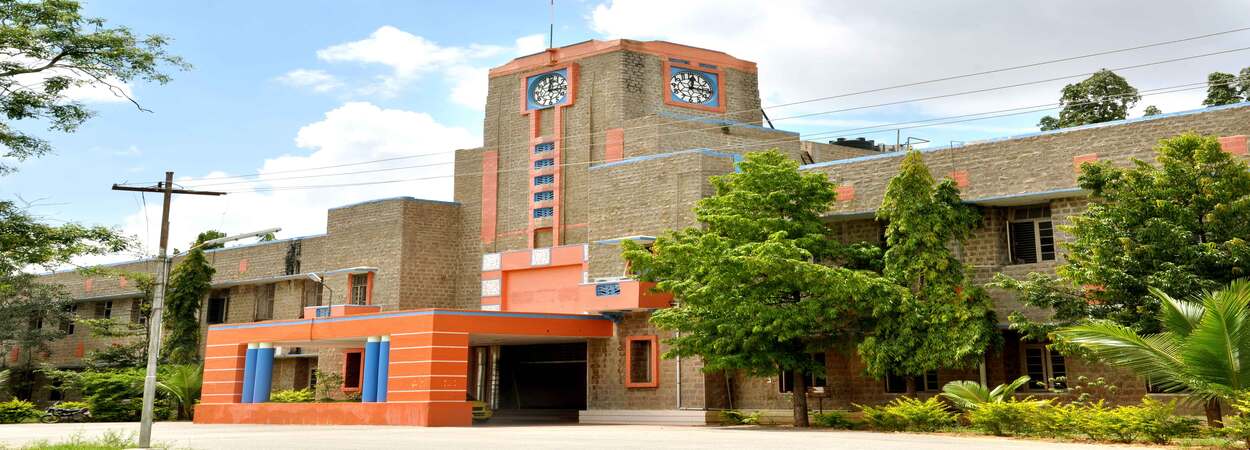
Introduction about Ph.D. From Jawaharlal Nehru Technological University (Anantapur)
Jawaharlal Nehru Technological University (Anantapur), located in Andhra Pradesh, is a renowned institution celebrated for its commitment to excellence in engineering, technology, and research. The Ph.D. program offered at JNTU (Anantapur) is designed to nurture innovative research and academic prowess, providing a robust platform for scholars to engage in advanced studies. With a curriculum that bridges traditional engineering concepts with modern technological advancements, the program emphasizes interdisciplinary research, fostering collaboration among various domains. Students benefit from state-of-the-art research facilities, experienced faculty members, and an ecosystem that encourages critical thinking and innovation. The program is structured to not only impart deep theoretical knowledge but also to provide hands-on experience through practical projects, seminars, and workshops. This dynamic environment ensures that graduates emerge as leaders capable of driving technological advancements and contributing to both academia and industry. Prospective candidates will find a supportive network, comprehensive resources, and numerous opportunities to publish research in high-impact journals, thereby solidifying their expertise and paving the way for a successful career in research.
Fee Structure for Ph.D. in Jawaharlal Nehru Technological University (Anantapur)
| Fee Type | Amount (INR) |
|---|---|
| Tuition Fee Per Year | 30,000 - 50,000 |
| Registration Fee | 3,000 - 6,000 |
| Total Fee (Approx.) | 33,000 - 56,000 per year |
Admission Process For Ph.D. in Jawaharlal Nehru Technological University (Anantapur)
The admission process at Jawaharlal Nehru Technological University (Anantapur) is meticulously designed to select candidates with a strong academic background and a clear vision for research. The process involves a series of steps to assess the candidate's potential, research aptitude, and overall fit for the program.
- Submit an online application via the official university portal.
- Provide academic transcripts and proof of previous qualifications.
- Submit a detailed research proposal outlining the intended area of study.
- Shortlisting based on academic performance and research potential.
- Attend a personal interview with the selection committee.
- Final selection based on interview performance, proposal quality, and academic credentials.
- Receive the admission offer along with enrollment guidelines.
Ph.D. Subjects in Jawaharlal Nehru Technological University (Anantapur)
| Subject Code | Subject Name | Description |
|---|---|---|
| JNTUA101 | Advanced Computational Methods | Explores modern algorithms, numerical methods, and computational simulations. |
| JNTUA102 | Renewable Energy Engineering | Covers sustainable energy systems, solar and wind technologies, and energy efficiency. |
| JNTUA103 | Digital Communication Systems | Focuses on modern communication techniques, signal processing, and network protocols. |
| JNTUA104 | Robotics and Automation | Studies robotic systems, control theory, and automation technologies. |
| JNTUA105 | Structural Engineering and Materials | Discusses advanced topics in construction materials, structural analysis, and design innovations. |
Document Required For Ph.D. in Jawaharlal Nehru Technological University (Anantapur)
To ensure a smooth application process, candidates are required to submit a comprehensive set of documents that validate their academic credentials and research capabilities. These documents assist the admissions committee in assessing the candidate's suitability for the program.
- Official academic transcripts and degree certificates.
- Valid identification proof (e.g., Aadhaar card, Passport, Voter ID).
- Detailed research proposal outlining research objectives and methodology.
- Letters of recommendation from academic or professional referees.
- A current curriculum vitae (CV) highlighting academic and research achievements.
- Statement of purpose describing research interests and career aspirations.
- Any published research papers, patents, or relevant project reports, if available.
Jawaharlal Nehru Technological University (Anantapur) Ph.D. Syllabus
| Module | Topics Covered |
|---|---|
| Module 1: Research Fundamentals | Research ethics, literature review, research design, and proposal formulation |
| Module 2: Advanced Theoretical Concepts | In-depth study of core subjects, emerging technologies, and modern engineering trends |
| Module 3: Experimental & Computational Techniques | Field experiments, simulation models, data collection methods, and statistical analysis |
| Module 4: Dissertation Development | Thesis writing, academic research standards, publication ethics, and defense preparation |
| Module 5: Interdisciplinary Research | Collaborative projects, integration of technology with practical applications, and case studies |
Jawaharlal Nehru Technological University (Anantapur) Research Methodology
- Define the research problem and set clear objectives.
- Conduct a comprehensive literature review to identify existing gaps.
- Develop a robust research framework incorporating both qualitative and quantitative methods.
- Select appropriate tools and techniques for data collection and analysis.
- Utilize advanced statistical and computational software for data interpretation.
- Adhere to ethical standards and maintain academic integrity throughout the research.
- Continuously refine the methodology based on interim feedback and findings.
- Document the entire research process for transparency and future reference.
Jawaharlal Nehru Technological University (Anantapur) Highlights
| Aspect | Details |
|---|---|
| Academic Excellence | Renowned for its rigorous academic programs and cutting-edge research initiatives. |
| Experienced Faculty | Guided by highly qualified professors and researchers with vast industry experience. |
| Research Infrastructure | State-of-the-art laboratories, advanced computing facilities, and modern research centers. |
| Industry Collaborations | Strong partnerships with leading industries for collaborative research and innovation. |
| Global Exposure | Opportunities for international collaborations, conferences, and exchange programs. |
| Student Support | Robust mentorship programs, research grants, and career development services. |
How To Apply For Ph.D. in Jawaharlal Nehru Technological University (Anantapur)
- Visit the official website of Jawaharlal Nehru Technological University (Anantapur).
- Navigate to the Ph.D. admissions section and register an account.
- Complete the online application form with accurate personal and academic details.
- Upload all required documents including transcripts, research proposal, CV, and identification proofs.
- Submit a well-crafted statement of purpose outlining your research interests and career objectives.
- Pay the prescribed application fee through the secure payment gateway.
- Participate in the screening process and attend the interview as scheduled.
- Follow up with the admissions office for any additional requirements.
- Receive the admission offer and complete the enrollment formalities as instructed.
Courses After Ph.D. in Jawaharlal Nehru Technological University (Anantapur)
- Post-doctoral Research Fellowships
- Advanced Certification Courses in Emerging Technologies
- Specialized Workshops and Seminars on Interdisciplinary Research
- Executive Education and Professional Development Programs
- Industry-specific Training and Innovation Programs
Jawaharlal Nehru Technological University (Anantapur) Scholarship
Jawaharlal Nehru Technological University (Anantapur) is committed to supporting its Ph.D. scholars through a robust scholarship program designed to alleviate financial burdens and foster academic excellence. The scholarships offered by the university are based on merit, research potential, and financial need, ensuring that talented candidates have access to the resources necessary to pursue groundbreaking research. These scholarships may include tuition fee waivers, research grants, and stipends for living expenses. By providing comprehensive financial support, the university encourages scholars to focus on their research projects, innovate, and contribute significantly to their fields. This financial assistance not only enhances the academic experience but also promotes a culture of excellence and innovation among students. As a result, recipients of these scholarships are well-equipped to advance their research, publish high-quality work, and emerge as leaders in their respective disciplines.
- Merit-based Scholarships for exceptional academic performance.
- Need-based Financial Assistance to support candidates with limited resources.
- Research Grants for innovative projects and publication support.
- Special Awards for outstanding contributions in research and development.
Jawaharlal Nehru Technological University (Anantapur) FAQ's Regarding Ph.D.
Q1: What are the eligibility criteria for the Ph.D. program?
A1: Applicants must hold a relevant Master’s degree in engineering, technology, or a related field, along with a strong academic record and a detailed research proposal.
Q2: How is the Ph.D. selection process conducted?
A2: The selection process includes an online application, review of academic credentials and research proposal, followed by a personal interview with the selection committee.
Q3: What documents are required for the application?
A3: Required documents include academic transcripts, degree certificates, a research proposal, letters of recommendation, a detailed CV, identification proof, and a statement of purpose.
Q4: How long does the Ph.D. program typically take to complete?
A4: The program generally takes between 3 to 5 years, depending on research progress and dissertation completion.
Q5: Are there any scholarships available for Ph.D. candidates?
A5: Yes, the university offers various scholarships and financial aid options based on academic merit, research potential, and financial need.
Q6: Can working professionals apply for the Ph.D. program?
A6: Yes, working professionals with relevant experience are encouraged to apply, although the program is primarily designed for full-time research.
Q7: What is the mode of the admission process?
A7: The admission process is conducted entirely online, including application submission, document upload, and interviews.
Q8: What research facilities are available at JNTU (Anantapur)?
A8: The university provides state-of-the-art laboratories, modern research centers, and advanced computing facilities to support innovative research.
Q9: Are there opportunities for international collaborations?
A9: Yes, JNTU (Anantapur) has several collaborations with international institutions and encourages participation in global research initiatives.
Q10: Where can I get more information about the Ph.D. program?
A10: More detailed information is available on the official university website or by contacting the admissions office directly.
