Ph.D. From Narendra Deo University of Agriculture & Technology, Uttar Pradesh
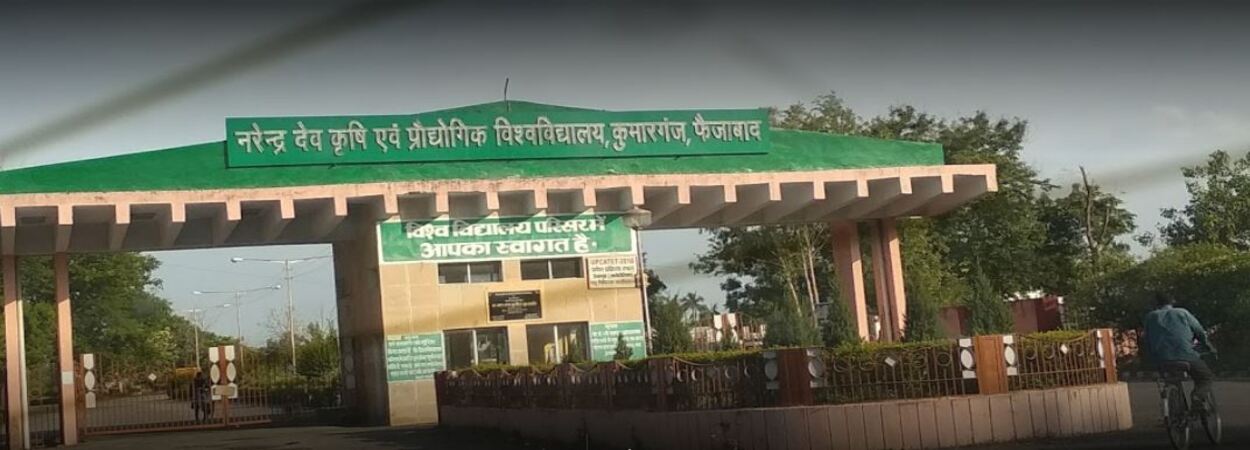
Introduction about Ph.D. From Narendra Deo University of Agriculture & Technology
Narendra Deo University of Agriculture & Technology (NDUAT), located in the vibrant state of Uttar Pradesh, is a premier institution renowned for its contributions to agricultural education and research. The Ph.D. program at NDUAT is meticulously designed to empower scholars with advanced research skills and in-depth knowledge in various domains of agriculture, technology, and allied sciences. Emphasizing innovation, critical thinking, and practical application, the program offers a robust curriculum that integrates both theoretical foundations and cutting-edge research methodologies. Students have access to state-of-the-art research facilities, extensive digital libraries, and modern laboratories, ensuring a comprehensive learning experience. Expert faculty members, who are leaders in their respective fields, provide personalized mentorship, guiding candidates through the intricacies of research design, data analysis, and scholarly writing. Moreover, the interdisciplinary nature of the program encourages collaboration across different fields, fostering a culture of holistic academic development. With its commitment to academic excellence and sustainable research practices, NDUAT prepares its Ph.D. scholars to address global challenges in agriculture and technology, making a significant impact on the agricultural sector and contributing to national development. This program is an ideal choice for individuals seeking to pursue advanced research, drive innovation, and shape the future of agricultural sciences.
Fee Structure for Ph.D. in Narendra Deo University of Agriculture & Technology
| Tuition Fee Per Year | Registration Fee | Total Fee |
|---|---|---|
| ₹25,000 - ₹50,000 | ₹3,000 - ₹5,000 | ₹28,000 - ₹55,000 |
Admission Process For Ph.D. in Narendra Deo University of Agriculture & Technology
The admission process at NDUAT is designed to select candidates who demonstrate strong academic credentials and a passion for research. The process is comprehensive, ensuring that only the most capable and dedicated students are admitted.
- Review the eligibility criteria specified by the department.
- Complete the online application form available on the official university website.
- Submit all required academic transcripts and certificates.
- Upload a detailed research proposal or statement of purpose.
- Pay the registration fee as per the guidelines.
- Attend an entrance examination, if applicable.
- Participate in a personal interview or group discussion.
- Receive the admission offer and complete the final registration formalities.
Ph.D. Subjects in Narendra Deo University of Agriculture & Technology
| Subject Code | Subject Name | Credits |
|---|---|---|
| NDUAT-AG101 | Advanced Agricultural Research Methods | 4 |
| NDUAT-AG102 | Modern Crop Science and Technology | 3 |
| NDUAT-AG103 | Sustainable Agricultural Practices | 3 |
| NDUAT-AG104 | Statistical Methods in Agricultural Research | 2 |
Document Required For Ph.D. in Narendra Deo University of Agriculture & Technology
To apply for the Ph.D. program, applicants must submit a complete set of documents that verifies their academic background and research experience.
- Official academic transcripts and degree certificates.
- Valid government-issued identification (such as Aadhaar card, passport, or voter ID).
- A comprehensive research proposal or statement of purpose.
- Letters of recommendation from academic or professional referees.
- Curriculum Vitae (CV) highlighting academic achievements and research experience.
- Entrance exam scorecards, if applicable.
Narendra Deo University of Agriculture & Technology Ph.D. Syllabus
| Semester | Topics Covered | Credit Hours |
|---|---|---|
| Semester 1 | Introduction to Advanced Research Methods, Literature Review, and Proposal Development | 8 |
| Semester 2 | Research Design, Data Collection Techniques, and Statistical Analysis in Agriculture | 8 |
| Semester 3 | Application of Modern Research Tools, Case Studies, and Theoretical Frameworks | 8 |
| Semester 4 | Thesis Development, Research Ethics, Academic Writing, and Seminar Participation | 6 |
Narendra Deo University of Agriculture & Technology Research Methodology
- Develop a comprehensive and innovative research proposal.
- Conduct thorough literature reviews to establish a solid theoretical framework.
- Utilize both qualitative and quantitative research methods.
- Apply advanced statistical tools and software for effective data analysis.
- Ensure adherence to ethical standards throughout the research process.
- Participate in research seminars, workshops, and academic conferences.
- Receive continuous feedback from expert mentors to refine research approaches.
Narendra Deo University of Agriculture & Technology Highlights
| Aspect | Details |
|---|---|
| Heritage | Established legacy in agricultural research and education in Uttar Pradesh. |
| Faculty | Expert academicians and researchers providing personalized mentorship. |
| Infrastructure | State-of-the-art laboratories, extensive research libraries, and modern classrooms. |
| Research Funding | Robust support with grants, fellowships, and financial aid for research projects. |
| Collaborations | Strong linkages with national and international research organizations. |
| Student Support | Comprehensive career counseling, academic mentoring, and research facilitation services. |
| Innovation | Focus on sustainable agricultural practices and innovative research solutions. |
How To Apply For Ph.D. in Narendra Deo University of Agriculture & Technology
- Visit the official website of Narendra Deo University of Agriculture & Technology.
- Navigate to the Ph.D. admissions section and review the eligibility criteria.
- Complete the online application form with accurate personal and academic details.
- Upload all necessary documents including transcripts, certificates, and ID proofs.
- Submit a detailed research proposal or statement of purpose along with your application.
- Pay the required registration fee as per the instructions.
- Monitor your application status through the online portal.
- Attend the entrance examination and/or personal interview if required.
- Finalize the registration process upon receiving the admission offer.
Courses After Ph.D. in Narendra Deo University of Agriculture & Technology
- Post-Doctoral Research Fellowships
- Advanced Certification Programs in Agricultural Sciences
- Professional Development and Executive Training Courses
- Industry-Academia Collaborative Workshops
- Short-Term Skill Enhancement Programs
- Research Grant and Fellowship Initiatives
Narendra Deo University of Agriculture & Technology Scholarship
Narendra Deo University of Agriculture & Technology offers a range of scholarship programs designed to support exceptional Ph.D. candidates in agricultural research. These scholarships aim to reduce financial burdens by offering tuition fee waivers, research grants, and assistantship opportunities. Selected on both merit and need, the awards encourage scholars to undertake innovative research that addresses contemporary challenges in agriculture. The scholarship schemes are periodically reviewed and updated to align with evolving research trends and industry demands. With these financial aids, candidates are able to focus on their research pursuits without the distraction of monetary constraints. By investing in promising talent, the university fosters a culture of academic excellence and innovation, ensuring that its graduates emerge as leaders in agricultural sciences.
- Merit-Based Scholarships for outstanding academic performance.
- Need-Based Financial Assistance for qualified candidates.
- Research Grants to support innovative project proposals.
- Assistantship Opportunities for teaching and research support.
- Special Awards recognizing significant research contributions.
Narendra Deo University of Agriculture & Technology FAQ's Regarding Ph.D.
- Q1: What are the eligibility criteria for the Ph.D. program?
A: Applicants must possess a relevant Master’s degree with the minimum required percentage and meet the specific departmental criteria. - Q2: Is there an entrance exam for Ph.D. admissions?
A: Yes, candidates are typically required to appear for an entrance exam followed by a personal interview. - Q3: What documents are required for the application?
A: Essential documents include academic transcripts, degree certificates, a comprehensive research proposal, valid identification, recommendation letters, and a detailed CV. - Q4: How long does the Ph.D. program usually last?
A: The program generally lasts between 3 to 5 years, depending on the research area and progress. - Q5: Are there scholarships available for Ph.D. candidates?
A: Yes, the university offers various scholarships based on merit and financial need. - Q6: How do I submit my research proposal?
A: Applicants must upload a detailed research proposal along with their online application. - Q7: Can international students apply for the Ph.D. program?
A: Yes, international candidates are welcome provided they meet the eligibility and language requirements. - Q8: What support services are provided for Ph.D. candidates?
A: The university offers career counseling, research funding, academic mentoring, and access to modern research facilities. - Q9: How is the interview process conducted?
A: Shortlisted candidates are invited for a personal interview to assess their research aptitude and academic background. - Q10: Where can I find more detailed information about the admission process?
A: Detailed guidelines are available on the official Narendra Deo University of Agriculture & Technology website under the Ph.D. admissions section.
