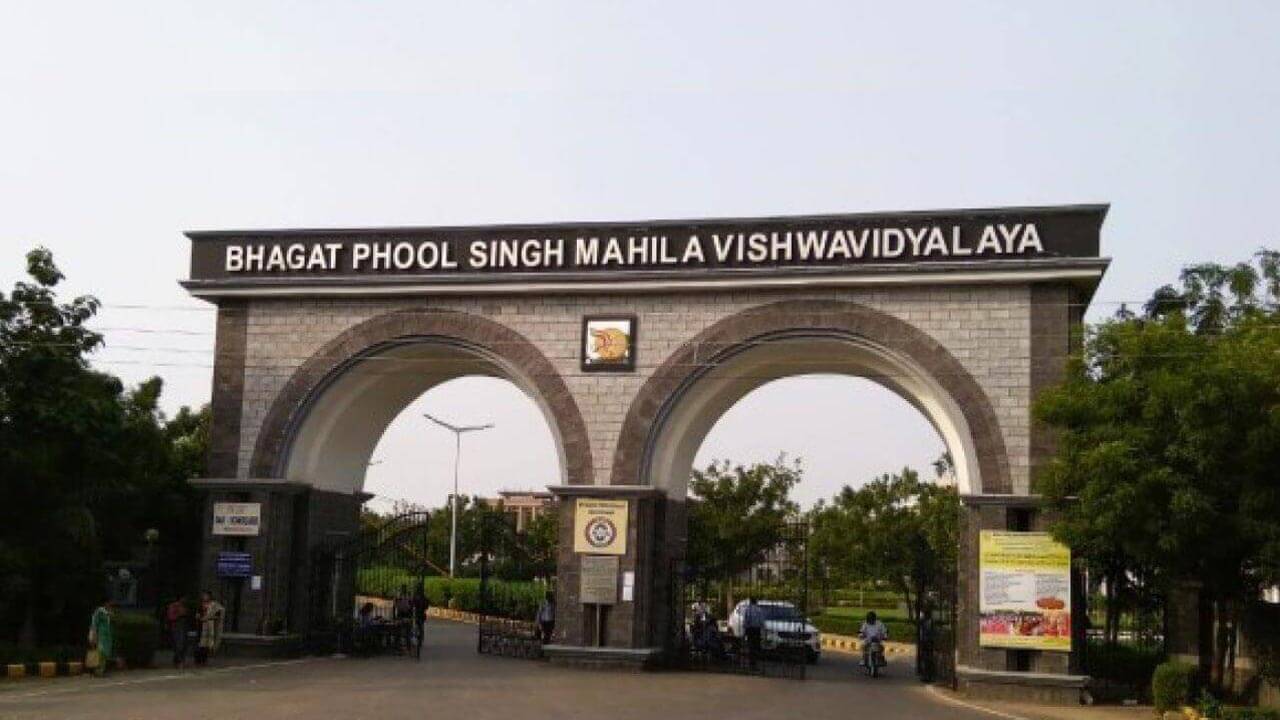
Introduction about Ph.D. From National Sanskrit University (previously Rashtriya Sanskrit Vidyapeeth)
National Sanskrit University, formerly known as Rashtriya Sanskrit Vidyapeeth, located in Andhra Pradesh, is one of the premier institutions for advanced studies in Sanskrit language, literature, philosophy, and cultural studies. The Ph.D. program is meticulously designed for scholars with a passion for in-depth research in traditional as well as contemporary aspects of Sanskrit studies. It integrates ancient wisdom with modern research methodologies, making it a unique platform for academic exploration and cultural preservation.
The university offers a rich academic environment that fosters critical inquiry and innovative research. With a distinguished faculty comprising renowned scholars and experts in various fields of Sanskrit, the program encourages candidates to delve into diverse subjects ranging from Vedic literature, classical texts, and traditional philosophies to modern interpretations and applications of Sanskrit in today's world. Students benefit from access to extensive digital and physical archives, specialized research centers, and collaborative projects that bridge the gap between traditional learning and modern scholarship.
Furthermore, the Ph.D. program emphasizes interdisciplinary approaches, encouraging research that intersects with fields such as history, linguistics, cultural studies, and even contemporary social sciences. This comprehensive curriculum is designed not only to preserve the legacy of Sanskrit but also to reinterpret its relevance in modern society. As a result, graduates emerge as thought leaders capable of contributing significantly to academia, cultural policy, and education, thereby ensuring that the rich heritage of Sanskrit continues to thrive in a rapidly evolving world.
Fee Structure for Ph.D. in National Sanskrit University (previously Rashtriya Sanskrit Vidyapeeth)
| Fee Component | Amount (INR) |
|---|---|
| Tuition Fee Per Year | 1,50,000 |
| Registration Fee (One Time) | 10,000 |
| Total Fee (Approx. for Duration) | 6,00,000 |
Admission Process For Ph.D. in National Sanskrit University (previously Rashtriya Sanskrit Vidyapeeth)
The admission process at National Sanskrit University is designed to select candidates who exhibit academic excellence, a strong command over Sanskrit, and a clear research vision. The process is thorough and aims to ensure that only the most capable scholars join the program.
- Verify Eligibility: Ensure you hold a Master’s degree in Sanskrit, Indology, or a related discipline.
- Complete the online application form available on the official website.
- Submit academic transcripts, degree certificates, and other relevant documents.
- Provide a detailed research proposal outlining your study objectives and methodology.
- Pay the application fee through the designated online payment gateway.
- Attend the entrance examination and/or personal interview as scheduled by the admissions committee.
- Final selection is based on academic merit, research proposal quality, and interview performance.
Ph.D. Subjects in National Sanskrit University (previously Rashtriya Sanskrit Vidyapeeth)
| Subject Code | Subject Name | Description |
|---|---|---|
| SS101 | Sanskrit Literature | An in-depth study of classical Sanskrit texts, epics, and poetry. |
| SS102 | Vedic Studies | Exploration of the Vedas, Upanishads, and related ritualistic texts. |
| SS103 | Philosophy and Theology | Analysis of ancient Indian philosophies, darshanas, and theological discourses. |
| SS104 | Comparative Indology | Comparative study of Sanskrit literature with other ancient literary traditions. |
Document Required For Ph.D. in National Sanskrit University (previously Rashtriya Sanskrit Vidyapeeth)
To complete your application for the Ph.D. program, you are required to submit the following documents:
- Completed application form with accurate personal and academic details.
- Attested copies of undergraduate and postgraduate degree certificates.
- Official academic transcripts from all previously attended institutions.
- A comprehensive research proposal detailing your study objectives, methodology, and expected outcomes.
- Two or more letters of recommendation from academic mentors or professionals.
- Proof of identity (e.g., Aadhaar card, passport, or voter ID).
- Recent passport-sized photographs.
- A Statement of Purpose (SOP) outlining your research interests and career aspirations.
National Sanskrit University (previously Rashtriya Sanskrit Vidyapeeth) Ph.D. Syllabus
| Year | Modules | Key Topics |
|---|---|---|
| Year 1 | Foundation Courses | Sanskrit Linguistics, Classical Texts, Research Methods in Sanskrit Studies |
| Year 2 | Specialization Courses | Advanced Sanskrit Literature, Vedic Studies, Critical Analysis, and Interpretation |
| Year 3 | Thesis Development | Research Proposal Refinement, Data Collection, and Preliminary Analysis |
| Year 4 | Final Thesis Work | Thesis Writing, Defense Preparation, Revisions, and Final Submission |
National Sanskrit University (previously Rashtriya Sanskrit Vidyapeeth) Research Methodology
- Conduct extensive literature reviews of classical Sanskrit texts and contemporary research.
- Employ qualitative, quantitative, and mixed research methods to analyze textual data.
- Utilize archival research to study ancient manuscripts and rare documents.
- Apply critical analysis and hermeneutical techniques to interpret texts.
- Engage in interdisciplinary research integrating history, philosophy, and cultural studies.
- Participate in seminars, workshops, and conferences for continuous academic development.
- Consult regularly with faculty mentors to refine research methodologies and objectives.
National Sanskrit University (previously Rashtriya Sanskrit Vidyapeeth) Highlights
| Highlight | Details |
|---|---|
| Legacy | Over several decades of excellence in Sanskrit education and research. |
| Accreditation | Recognized by leading cultural and academic bodies nationally and internationally. |
| Faculty | Distinguished scholars and experts in Sanskrit, Indology, and cultural studies. |
| Infrastructure | State-of-the-art research centers, extensive libraries, and digital archives. |
| Collaborations | Active partnerships with cultural institutions, universities, and research organizations worldwide. |
| Research Centers | Dedicated centers for the study and preservation of Sanskrit literature and heritage. |
| Alumni Network | A robust network of scholars, educators, and cultural leaders across the globe. |
How To Apply For Ph.D. in National Sanskrit University (previously Rashtriya Sanskrit Vidyapeeth)
- Visit the official website of National Sanskrit University (previously Rashtriya Sanskrit Vidyapeeth), Andhra Pradesh.
- Navigate to the Ph.D. admissions section and review the eligibility criteria and guidelines.
- Register on the online application portal and create your account.
- Fill in the application form with accurate personal, academic, and research details.
- Upload all required documents including transcripts, certificates, research proposal, and letters of recommendation.
- Pay the application fee through the secure online payment gateway.
- Submit your application and note your registration number for future reference.
- Prepare for the entrance examination and/or personal interview as scheduled by the admissions committee.
- Regularly check your email and the application portal for updates on your application status.
- Upon selection, complete the enrollment formalities and attend the orientation program.
Courses After Ph.D. in National Sanskrit University (previously Rashtriya Sanskrit Vidyapeeth)
- Post-Doctoral Fellowships in Sanskrit Studies and Indology
- Advanced Diplomas in Vedic Literature and Cultural Preservation
- Executive Courses on Traditional Knowledge and Modern Applications
- Certification Programs in Manuscript Conservation and Digital Archiving
- Short-term Workshops on Contemporary Interpretations of Sanskrit Classics
National Sanskrit University (previously Rashtriya Sanskrit Vidyapeeth) Scholarship
National Sanskrit University, formerly Rashtriya Sanskrit Vidyapeeth, is committed to promoting scholarly excellence by offering a range of scholarships and financial aid options to deserving Ph.D. candidates. These financial aids are designed to alleviate the economic burden and enable students to concentrate fully on their research. Scholarships are awarded based on academic merit, the quality of the research proposal, and financial need. In addition to tuition fee waivers, selected candidates may receive monthly stipends, research grants, and travel allowances for attending national and international conferences. This robust financial support framework underscores the university’s dedication to nurturing talent and advancing the study of Sanskrit, ensuring that groundbreaking research in ancient wisdom and modern applications is well supported.
- Merit-based scholarships for outstanding academic performance.
- Need-based financial aid for candidates from economically disadvantaged backgrounds.
- Research grants to support publication, conference participation, and field studies.
- Special awards for innovative and interdisciplinary research projects.
- Opportunities for additional funding through collaborative research initiatives.
National Sanskrit University (previously Rashtriya Sanskrit Vidyapeeth) FAQ's Regarding Ph.D.
- What is the eligibility criteria for the Ph.D. program?
Candidates must hold a Master’s degree in Sanskrit, Indology, or a related field with a strong academic record and a clearly defined research proposal.
- How is the entrance examination conducted?
The process typically includes a written test followed by a personal interview to assess research aptitude and subject expertise.
- What documents are required for the application?
Applicants must submit academic transcripts, degree certificates, a detailed research proposal, letters of recommendation, proof of identity, and recent photographs.
- How long does the Ph.D. program take to complete?
The program generally takes between 3 to 5 years, depending on research progress and thesis completion.
- Are scholarships available for Ph.D. candidates?
Yes, the university offers various scholarships based on academic merit, research potential, and financial need.
- Can international students apply for this Ph.D. program?
International applicants are welcome, though additional documentation such as language proficiency test scores may be required.
- What are the primary research areas in this Ph.D. program?
The program covers areas including Sanskrit literature, Vedic studies, philosophy, and interdisciplinary studies with a focus on cultural heritage.
- How do applicants track the status of their application?
Application status can be monitored through the online portal and via email updates from the university.
- Is there an option for part-time study in the Ph.D. program?
The program is primarily full-time; however, exceptional cases may be considered for flexible study arrangements.
- What career opportunities are available after completing the Ph.D.?
Graduates typically pursue careers in academia, research, cultural policy development, and leadership roles in educational and cultural institutions.