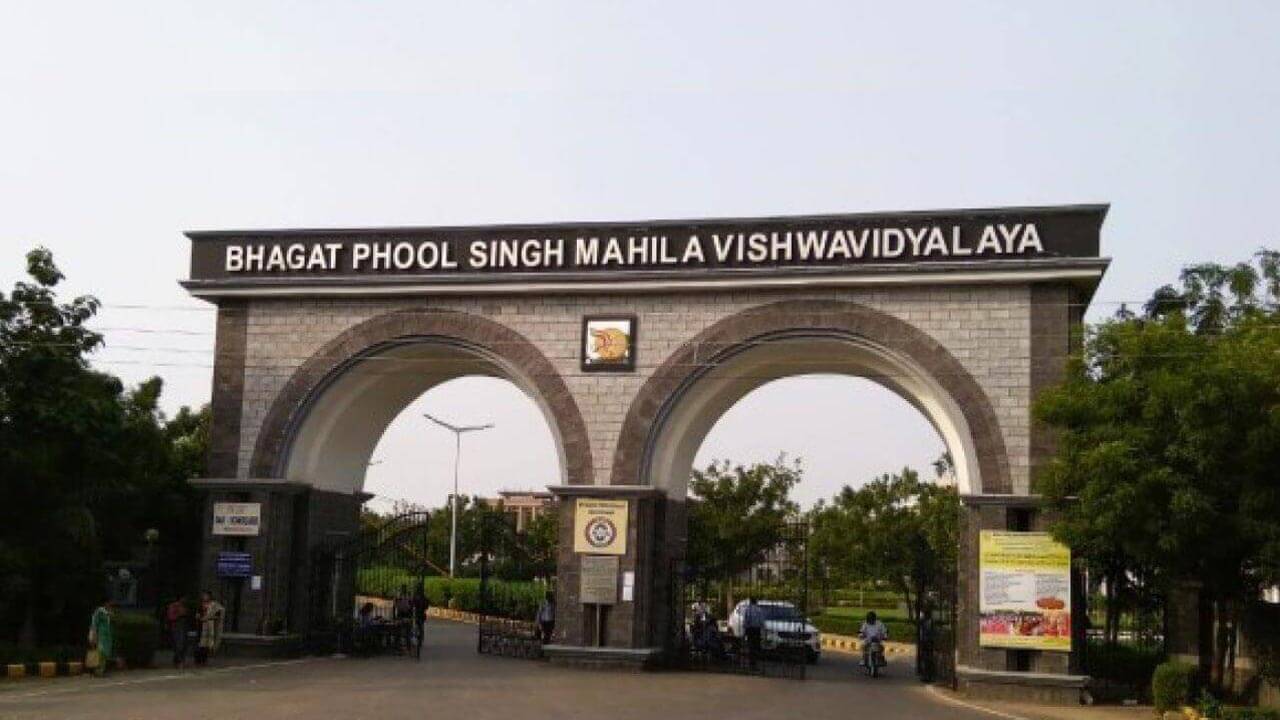
Introduction about Ph.D. From Swami Keshwanand Rajasthan Agricultural University
Swami Keshwanand Rajasthan Agricultural University, situated in the culturally rich and agriculturally vibrant state of Rajasthan, offers an exceptional Ph.D. program tailored to nurture advanced research skills and academic excellence. This prestigious program is designed for scholars who aspire to delve into complex research topics within agricultural sciences, biotechnology, rural development, and allied fields. The university’s state-of-the-art laboratories, modern research facilities, and access to extensive agricultural fields provide a dynamic environment for innovative studies. With a distinguished panel of experienced faculty and researchers, candidates are encouraged to undertake interdisciplinary research projects that address current challenges in agriculture and sustainable development. The curriculum is regularly updated to incorporate contemporary research methodologies and global best practices, ensuring that students receive a robust and holistic education. In addition, the university places a strong emphasis on ethical research, practical applications, and community engagement. By fostering a collaborative and supportive academic atmosphere, the Ph.D. program empowers students to contribute significantly to the evolution of agricultural practices and policy-making. Prospective candidates can look forward to a comprehensive educational experience that not only enhances their theoretical knowledge but also hones their analytical and research capabilities, preparing them for leadership roles in academia, industry, and government.
Fee Structure for Ph.D. in Swami Keshwanand Rajasthan Agricultural University
| Tuition Fee Per Year | Registration | Total Fee |
|---|---|---|
| INR 60,000 | INR 6,000 | INR 66,000 |
The fee structure is designed to be competitive while ensuring quality education and research resources. Candidates are encouraged to verify the latest fee details on the official university website.
Admission Process For Ph.D. in Swami Keshwanand Rajasthan Agricultural University
The admission process for the Ph.D. program is thorough and aims to select candidates who demonstrate exceptional academic prowess and research potential. The process includes an online application, document verification, and multiple rounds of evaluation to ensure only the most qualified candidates are enrolled.
- Check eligibility based on academic qualifications and research experience.
- Collect and prepare all necessary documents as per the guidelines.
- Fill out the online application form accurately with complete details.
- Submit the application along with the required fee.
- Participate in entrance examinations or interviews if shortlisted.
- Await the evaluation and final admission decision based on merit and research proposal quality.
The university ensures transparency and fairness throughout the admission process, making it easier for applicants to navigate through each step.
Ph.D. Subjects in Swami Keshwanand Rajasthan Agricultural University
| Subject | Area of Research |
|---|---|
| Agricultural Biotechnology | Genetic engineering, crop improvement, and molecular biology |
| Soil Science | Soil fertility, sustainable management, and soil chemistry |
| Plant Pathology | Disease management, plant-microbe interactions, and crop protection |
| Agricultural Economics | Market analysis, rural development, and resource management |
| Horticulture | Crop diversification, ornamental plants, and sustainable practices |
These subjects are structured to provide flexibility and a range of research opportunities to suit the diverse interests of the candidates.
Document Required For Ph.D. in Swami Keshwanand Rajasthan Agricultural University
A complete set of documents is essential for the evaluation of your application. The university requires authentic and up-to-date documentation to assess the academic and research credentials of the candidate.
- Academic Transcripts and Mark Sheets from previous degrees.
- A comprehensive Research Proposal outlining your intended research area.
- A Statement of Purpose (SOP) detailing your research interests and career objectives.
- Letters of Recommendation from academicians or professionals.
- Proof of Identification (e.g., passport, Aadhaar card, or voter ID).
- Updated Resume/CV highlighting academic achievements and research experience.
Ensure that all documents are prepared in advance to avoid any delays in the admission process.
Swami Keshwanand Rajasthan Agricultural University Ph.D. Syllabus
| Semester/Stage | Core Topics | Elective/Additional Modules |
|---|---|---|
| Year 1 | Research Methodology, Literature Review, Theoretical Foundations | Specialized Electives based on chosen research area |
| Year 2 | Advanced Research Techniques, Data Analysis, Interdisciplinary Studies | Seminars, Workshops, and Collaborative Research Projects |
| Year 3 | Thesis Writing, Field Research, Dissertation Development | Conferences, Peer Review Sessions, and Publication Workshops |
The syllabus is designed to offer a balanced combination of theoretical knowledge and practical research experience to prepare candidates for academic and professional success.
Swami Keshwanand Rajasthan Agricultural University Research Methodology
- Conduct extensive literature reviews to build a solid theoretical framework.
- Employ both qualitative and quantitative research techniques.
- Design and implement field experiments and case studies.
- Utilize advanced data collection and statistical analysis tools.
- Engage in peer reviews and collaborative research projects.
- Publish findings in reputable journals and present at conferences.
Swami Keshwanand Rajasthan Agricultural University Highlights
| Aspect | Details |
|---|---|
| Established | Longstanding tradition of academic excellence and research innovation |
| Location | Located in the heart of Rajasthan, offering a unique blend of modernity and tradition |
| Faculty | Renowned academicians and research experts with international exposure |
| Infrastructure | Modern laboratories, extensive libraries, and cutting-edge research facilities |
| Research Facilities | Advanced equipment, experimental farms, and digital resources |
| Collaborations | Strong links with national and international research institutions and industry leaders |
| Accreditations | Recognized by leading educational and research bodies ensuring high standards |
| Student Support | Comprehensive mentoring, career counseling, and research funding options |
| Alumni Network | Robust network of successful alumni in academia, industry, and government |
| International Exposure | Exchange programs, international conferences, and collaborative projects |
How To Apply For Ph.D. in Swami Keshwanand Rajasthan Agricultural University
- Visit the official university website and navigate to the Ph.D. admission portal.
- Review the eligibility criteria, program details, and important dates for application.
- Complete the online application form with accurate personal and academic details.
- Upload all required documents including academic transcripts, research proposal, and identification proofs.
- Pay the application fee using secure online payment methods.
- Submit your application and note the confirmation number for future reference.
- Prepare for potential entrance tests or interviews as part of the selection process.
- Monitor your email and the admission portal for updates regarding your application status.
Courses After Ph.D. in Swami Keshwanand Rajasthan Agricultural University
- Post-Doctoral Research Programs for specialized academic and research pursuits.
- Advanced Certification Courses in emerging areas of agricultural science and technology.
- Academic and Teaching Training Programs for careers in higher education.
- Industry-Academia Collaborative Courses designed to bridge research and practical applications.
- Professional Development Workshops and Seminars for continuous learning and innovation.
Swami Keshwanand Rajasthan Agricultural University Scholarship
Swami Keshwanand Rajasthan Agricultural University is dedicated to supporting the academic and research aspirations of its Ph.D. candidates by offering a diverse range of scholarship opportunities. These financial aids are structured to ease the economic burden on students while fostering a culture of research excellence and innovation. The scholarships are awarded based on academic merit, research potential, and financial need, ensuring that talented candidates receive the support they deserve. The program not only provides monetary assistance but also includes mentorship, research funding, and access to state-of-the-art facilities. The generous funding opportunities are periodically updated to reflect current research trends and economic conditions, ensuring competitive and timely support for promising academic endeavors.
- Merit-Based Scholarships
- Need-Based Financial Aid
- Research Grants
- International Collaboration Fellowships
Swami Keshwanand Rajasthan Agricultural University FAQ's Regarding Ph.D.
- What are the eligibility criteria for the Ph.D. program?
Candidates are required to have a relevant Master’s degree with a minimum percentage or CGPA, along with a demonstrated research background. Specific subject requirements may vary by discipline.
- How do I submit my application for the Ph.D. program?
The application is submitted online via the official university portal. Applicants must fill out the form, upload the necessary documents, and pay the prescribed fee.
- What documents are mandatory for the application?
Applicants must provide academic transcripts, a research proposal, a statement of purpose, letters of recommendation, identification proofs, and an updated resume or CV.
- How is the fee structure organized for the Ph.D. program?
The fee structure includes a yearly tuition fee, a registration fee, and other administrative charges. Detailed figures are available on the university website.
- What subjects are offered for Ph.D. research?
The university offers various subjects such as Agricultural Biotechnology, Soil Science, Plant Pathology, Agricultural Economics, and Horticulture, among others.
- What is included in the Ph.D. syllabus?
The syllabus encompasses research methodology, theoretical frameworks, practical research modules, and extensive dissertation work over a three-year period.
- Which research methodologies are emphasized?
The program stresses both qualitative and quantitative approaches, including field research, data analysis, and experimental studies.
- Are there any scholarship opportunities available?
Yes, the university offers various scholarships including merit-based, need-based, and research grants to support Ph.D. candidates financially and academically.
- How long is the typical duration of the Ph.D. program?
The program generally spans three years, with the possibility of extension based on the candidate’s research progress and thesis submission.
- What career opportunities are available after completing the Ph.D.?
Graduates can pursue careers in academia, research institutions, government agencies, or private sectors related to agriculture and allied industries.