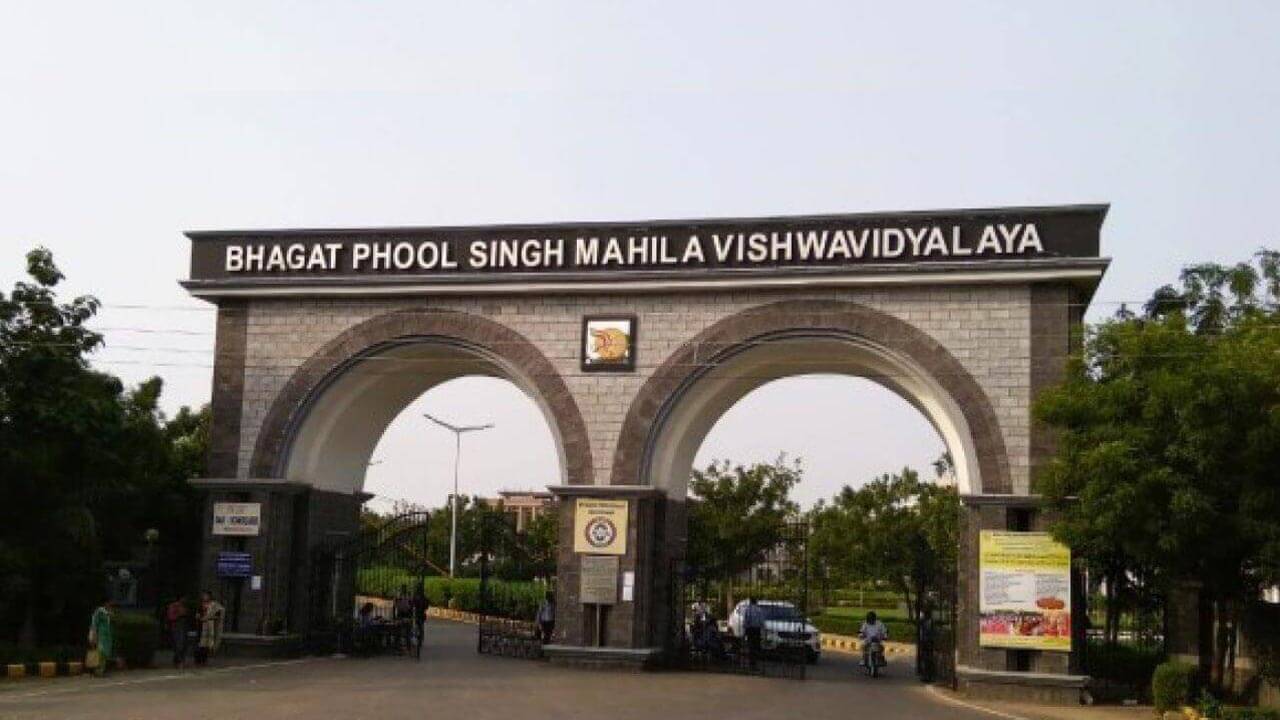
Introduction about Ph.D. From Swami Rama Himalayan University
Swami Rama Himalayan University, located amidst the serene and majestic landscapes of Uttarakhand, offers an enriching Ph.D. program designed for scholars who aspire to push the boundaries of academic research and contribute to innovative advancements in their fields. The Ph.D. program at this prestigious institution stands out for its rigorous curriculum, comprehensive research methodology, and a holistic approach to higher education. With state-of-the-art infrastructure, modern research facilities, and a highly experienced faculty, the university provides an ideal environment for intellectual exploration and academic excellence. The program encourages a multidisciplinary approach, allowing candidates from diverse academic backgrounds to integrate their knowledge and expertise into groundbreaking research. Students have the opportunity to engage in extensive fieldwork, collaborate with leading researchers, and participate in international conferences, which further enriches their academic journey. The university’s commitment to fostering an inclusive and supportive research culture is evident in its robust mentorship programs, extensive library resources, and numerous research grants. In addition to academic rigor, the Ph.D. program emphasizes ethical research practices, critical thinking, and practical problem-solving skills. This program is meticulously structured to guide candidates through every phase of their research journey—from the initial formulation of a research proposal to the final submission of a thesis. Whether you are driven by the pursuit of knowledge or looking to make significant contributions to society through research, the Ph.D. program at Swami Rama Himalayan University offers an exceptional platform to realize your academic and professional aspirations.
Fee Structure for Ph.D. in Swami Rama Himalayan University
| Tuition Fee Per Year | Registration | Total Fee |
|---|---|---|
| INR 50,000 | INR 5,000 | INR 55,000 |
The fee structure is designed to be affordable while maintaining high academic standards. It covers tuition, registration, and other administrative expenses. Candidates are encouraged to check the official university website for the most current fee details and any additional charges that might apply.
Admission Process For Ph.D. in Swami Rama Himalayan University
The admission process for the Ph.D. program at Swami Rama Himalayan University is systematic and transparent. The university follows a multi-step process to ensure that only the most qualified candidates are selected. Applicants must first verify that they meet the eligibility criteria, prepare all necessary documents, and then proceed with the online application. Once the application is submitted, candidates may be required to attend an entrance test or interview, where their research proposal and academic background are thoroughly evaluated. The following bullet points summarize the key steps in the admission process:
- Verify eligibility based on academic qualifications and research experience.
- Prepare and gather all required documentation.
- Fill out the online application form with accurate and complete details.
- Submit the application along with the application fee.
- Attend any scheduled entrance tests or interviews.
- Await the admission decision, which is based on merit and research proposal evaluation.
The university values transparency and fairness, ensuring that every applicant is assessed on the basis of academic merit and potential for research excellence.
Ph.D. Subjects in Swami Rama Himalayan University
| Subject | Area of Research |
|---|---|
| Philosophy | Metaphysical studies and ethics |
| Environmental Science | Climate change, sustainability, and ecological research |
| Management | Organizational behavior, strategy, and innovation |
| Engineering | Innovations in technology, infrastructure development, and applied research |
| Social Sciences | Cultural studies, community development, and social innovation |
These subjects offer candidates the flexibility to choose research areas that align with their academic interests and professional goals. The diverse subject offerings also foster interdisciplinary research and collaboration.
Document Required For Ph.D. in Swami Rama Himalayan University
A comprehensive set of documents is required to support your application. The university mandates the submission of all relevant academic and personal documents to ensure a thorough evaluation of your credentials. Applicants should ensure that each document is authentic and up-to-date.
- Academic Transcripts and Mark Sheets from previous studies.
- A detailed Research Proposal outlining your intended area of study.
- A Statement of Purpose (SOP) that explains your research interests and career objectives.
- Letters of Recommendation from academic or professional referees.
- Valid Identification Proof (such as a passport or Aadhaar card).
- Updated Resume/CV highlighting academic and professional achievements.
It is crucial to prepare these documents well in advance of the application deadline to avoid any last-minute discrepancies.
Swami Rama Himalayan University Ph.D. Syllabus
| Semester/Stage | Core Topics | Elective/Additional Modules |
|---|---|---|
| Year 1 | Research Methodology, Literature Review, Theoretical Frameworks | Specialized Electives based on candidate's research interests |
| Year 2 | Advanced Theoretical Concepts, Data Analysis, Interdisciplinary Integration | Seminars, Workshops, and Collaborative Projects |
| Year 3 | Thesis Writing, Field Research, Dissertation Development | Conferences, Peer Reviews, and Publication Workshops |
The structured syllabus is designed to provide a balanced mix of theoretical knowledge and practical research skills, ensuring that candidates are well-prepared to contribute to their respective fields.
Swami Rama Himalayan University Research Methodology
- Comprehensive literature review to establish a strong theoretical foundation.
- Application of both qualitative and quantitative research techniques.
- Design and implementation of field studies and experimental research.
- Use of statistical tools for data collection, analysis, and interpretation.
- Systematic formulation of hypotheses and testing through empirical research.
- Incorporation of peer review processes and publication of research findings.
Swami Rama Himalayan University Highlights
| Aspect | Details |
|---|---|
| Established | Over decades of academic excellence and research innovation |
| Location | Situated in the serene Himalayan region of Uttarakhand with breathtaking views |
| Faculty | Experienced and internationally recognized scholars and researchers |
| Infrastructure | Modern research labs, extensive libraries, and state-of-the-art classrooms |
| Accreditations | National and international accreditations ensuring high academic standards |
| Collaborations | Strong partnerships with leading global academic and research institutions |
| Student Support | Dedicated mentoring, career counseling, and financial assistance programs |
| Research Opportunities | Diverse research areas with access to cutting-edge technology and resources |
| Alumni Network | A robust and supportive network spanning across various industries and academic disciplines |
| Placements | Excellent placement records with alumni holding prominent positions in academia and industry |
How To Apply For Ph.D. in Swami Rama Himalayan University
- Visit the official Swami Rama Himalayan University website to access the application portal.
- Review the detailed Ph.D. program information, eligibility criteria, and important dates.
- Fill in the online application form with accurate personal and academic details.
- Upload all required documents including transcripts, research proposal, and identification proofs.
- Pay the prescribed application fee through secure online payment methods.
- Submit the application and note your reference number for future correspondence.
- Prepare for and attend any scheduled interviews or entrance tests as part of the evaluation process.
- Monitor your email and the application portal for updates regarding your admission status.
Courses After Ph.D. in Swami Rama Himalayan University
- Post-Doctoral Research Programs for further specialization.
- Advanced Specialized Courses in emerging research fields.
- Academic Teaching and Training Programs to nurture future educators.
- Industry-Oriented Research Fellowships bridging academia and industry.
- Consultancy and Advisory Services enhancing professional expertise.
Swami Rama Himalayan University Scholarship
Swami Rama Himalayan University is committed to promoting academic excellence by offering a wide range of scholarship opportunities to its Ph.D. candidates. These scholarships are awarded based on merit, financial need, and research potential, thereby enabling promising scholars to pursue their research ambitions without undue financial constraints. The scholarship program not only provides monetary assistance but also includes mentoring, networking, and research funding to support innovative projects. With a focus on creating a conducive academic environment, the university ensures that every selected candidate has access to world-class research facilities and expert guidance. This initiative helps bridge the gap between academic theory and practical research, encouraging candidates to contribute to their fields with confidence and dedication.
- Merit-Based Scholarships for outstanding academic performance.
- Need-Based Financial Aid to support students from economically challenged backgrounds.
- Research Assistantships that offer hands-on experience and financial remuneration.
- Fellowships and Grants to fund innovative research projects.
Swami Rama Himalayan University FAQ's Regarding Ph.D.
- What are the eligibility criteria for the Ph.D. program?
Candidates must possess a relevant Master’s degree with a minimum required percentage or CGPA, along with any additional qualifications specified by the university. Research experience is highly valued.
- How does the admission process work?
The process involves an online application submission, document verification, and a possible entrance test or interview to assess the research proposal and academic credentials.
- Which subjects can I specialize in during my Ph.D.?
The university offers a wide range of subjects including Philosophy, Environmental Science, Management, Engineering, and Social Sciences, among others.
- What documents are essential for the application?
Essential documents include academic transcripts, a detailed research proposal, a statement of purpose, letters of recommendation, valid identification proof, and an updated resume/CV.
- How is the fee structure organized?
The fee structure comprises a yearly tuition fee, a registration fee, and other administrative charges, with detailed figures available on the university’s official website.
- What is covered in the Ph.D. syllabus?
The syllabus includes research methodology, core theoretical concepts, data analysis techniques, elective modules, and extensive thesis work spread over the duration of the program.
- Which research methodologies are employed?
The program integrates qualitative, quantitative, and mixed research methods, ensuring a comprehensive approach that includes literature review, fieldwork, data collection, and statistical analysis.
- Are there scholarship opportunities available?
Yes, the university offers various scholarships including merit-based, need-based, and research assistantship programs to support students financially and academically.
- How can I submit my application?
Applications are submitted online via the official website, where you can also find detailed instructions and deadlines for document submission.
- What career paths are available after completing the Ph.D.?
Graduates can pursue academic positions, post-doctoral research, industry research roles, consultancy, and advanced teaching positions, among other opportunities.