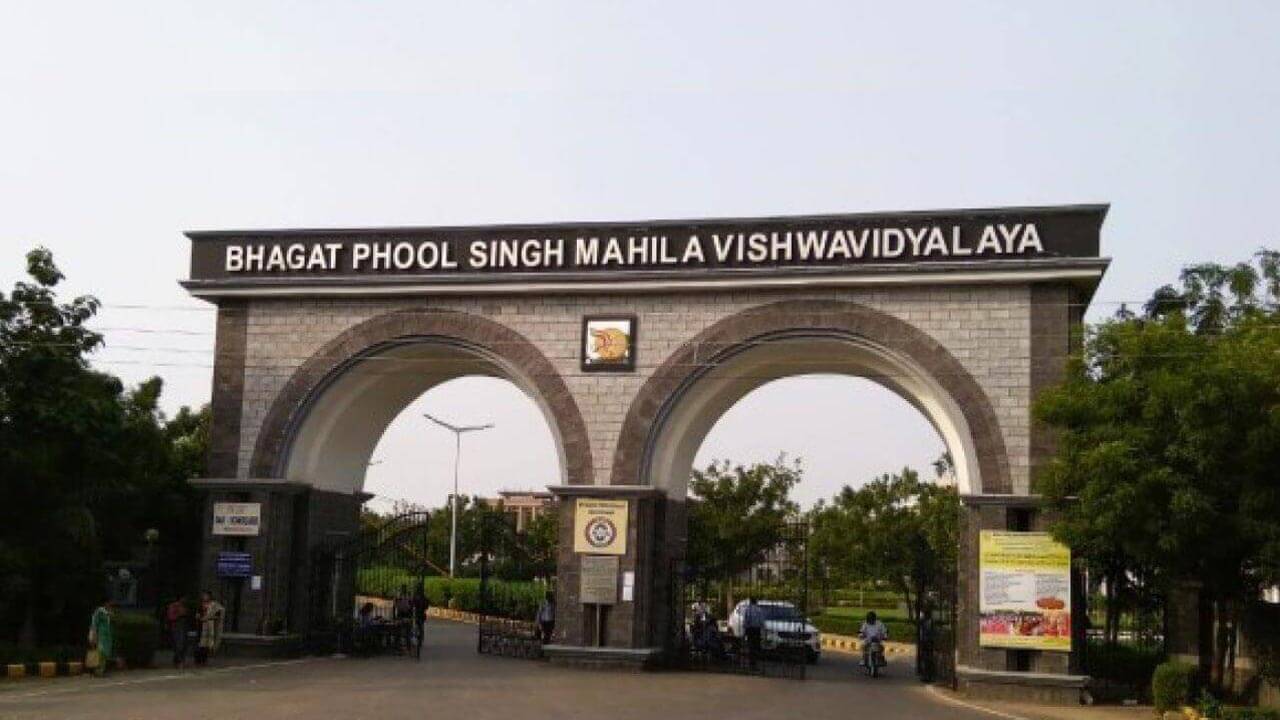
Introduction about Ph.D. From Swami Vivekananda Yoga Anusandhana Samsthana
Swami Vivekananda Yoga Anusandhana Samsthana, located in Karnataka, is globally recognized for its pioneering contributions to yoga research, holistic health, and spiritual studies. The Ph.D. program here is uniquely designed to integrate traditional yoga wisdom with contemporary research methodologies, making it one of the most sought-after doctoral programs in the field of yoga and wellness. The program aims to empower scholars with the advanced knowledge required to explore, document, and innovate in areas such as yoga philosophy, therapeutic practices, and mind-body integration. Through a rigorous curriculum that combines academic coursework, practical research, and interdisciplinary studies, candidates are provided with the tools to critically analyze and contribute to the growing body of yoga literature.
With access to state-of-the-art research facilities, extensive digital libraries, and a team of experienced mentors, students are encouraged to delve deep into both the theoretical and practical aspects of yoga. The program not only focuses on traditional aspects of yoga but also incorporates modern scientific research, allowing candidates to develop innovative solutions that address contemporary health challenges. By fostering an environment of academic excellence and creative inquiry, Swami Vivekananda Yoga Anusandhana Samsthana has become a hub for transformational research, bridging ancient practices with modern innovations.
Emphasizing both self-realization and societal well-being, this Ph.D. program nurtures a holistic approach to education. Students are motivated to engage in interdisciplinary research, collaborate with international experts, and participate in global conferences. This comprehensive approach ensures that graduates are well-equipped to become leaders in academia, research, and the broader field of health and wellness. The journey at Swami Vivekananda Yoga Anusandhana Samsthana is not just an academic pursuit but a transformative experience that deepens one’s understanding of life, health, and spiritual growth.
Fee Structure for Ph.D. in Swami Vivekananda Yoga Anusandhana Samsthana
| Tuition Fee Per Year | Registration Fee | Total Fee |
|---|---|---|
| ₹ 75,000 | ₹ 10,000 | ₹ 85,000 |
The fee structure is designed to be affordable while ensuring access to world-class research facilities and academic resources. The annual tuition fee, combined with a one-time registration fee, covers all essential academic services and infrastructure required for the successful completion of the Ph.D. program.
Admission Process For Ph.D. in Swami Vivekananda Yoga Anusandhana Samsthana
Admission to the Ph.D. program is a comprehensive process aimed at selecting candidates with strong academic backgrounds and a clear research vision. The selection procedure involves multiple stages to ensure that only the most dedicated and capable scholars are admitted.
- Complete the online application form available on the official university website.
- Submit academic transcripts, degree certificates, and other relevant documents.
- Provide a detailed research proposal outlining your research objectives and methodology.
- Attend an entrance examination and/or personal interview conducted by the admissions panel.
- Receive a provisional admission offer based on academic merit and research potential.
- Complete the final registration process along with fee payment.
Detailed guidelines are provided on the website to assist applicants throughout the admission process, ensuring transparency and efficiency.
Ph.D. Subjects in Swami Vivekananda Yoga Anusandhana Samsthana
| Subject Name | Description |
|---|---|
| Yoga Philosophy and Ethics | Explores the foundational texts and ethical principles of yoga. |
| Advanced Research in Yoga | Focuses on modern research methods applied to traditional yoga practices. |
| Yoga Therapeutics | Studies the application of yoga in disease prevention and holistic healing. |
| Mind-Body Integration Studies | Examines the interplay between psychological well-being and physical health through yoga. |
| Comparative Studies in Yoga Systems | Analyzes different schools and methodologies of yoga from a global perspective. |
These subjects are designed to provide a comprehensive understanding of both the theoretical and practical aspects of yoga, enabling candidates to conduct cutting-edge research in the field.
Document Required For Ph.D. in Swami Vivekananda Yoga Anusandhana Samsthana
To assess each applicant’s qualifications and research capabilities, a complete set of documents must be submitted during the application process. These documents help in verifying academic credentials and research potential.
- Completed Application Form
- Academic Transcripts and Degree Certificates
- Detailed Research Proposal outlining the intended study
- Curriculum Vitae (CV) highlighting academic and professional achievements
- Letters of Recommendation from academic or professional referees
- Proof of Identity (Aadhar, Passport, etc.)
- Recent Passport-sized Photographs
Ensure that all documents are current and accurately reflect your academic history to avoid any delays in the evaluation process.
Swami Vivekananda Yoga Anusandhana Samsthana Ph.D. Syllabus
| Year/Semester | Topics Covered |
|---|---|
| Year 1 | Foundations of Yoga Research, Literature Review, and Proposal Development |
| Year 2 | Advanced Research Methods, Data Collection, Analysis, and Field Work in Yoga Studies |
| Year 3 | Thesis Writing, Revision, Defense Preparation, and Publication Strategies |
The syllabus is structured to build research capabilities progressively, starting with core research methodologies and advancing to specialized topics and practical applications.
Swami Vivekananda Yoga Anusandhana Samsthana Research Methodology
- Conduct thorough literature reviews to establish a theoretical foundation.
- Develop innovative research designs specific to yoga studies.
- Utilize both qualitative and quantitative research methods.
- Employ modern data collection and statistical analysis techniques.
- Engage in regular peer reviews and expert consultations.
- Document research findings meticulously for academic dissemination.
This structured methodology ensures that candidates produce high-quality research that contributes significantly to the field of yoga and holistic health.
Swami Vivekananda Yoga Anusandhana Samsthana Highlights
| Highlight | Details |
|---|---|
| Accreditation | Globally recognized for excellence in yoga research and education. |
| Expert Faculty | Renowned scholars and practitioners in yoga and allied fields. |
| Research Facilities | State-of-the-art laboratories, digital libraries, and dedicated research centers. |
| Industry Collaborations | Partnerships with international research institutions and wellness organizations. |
| Holistic Curriculum | Integrates traditional yoga wisdom with modern scientific research. |
| Global Exposure | Opportunities for international conferences, workshops, and collaborative projects. |
These highlights underscore the university’s commitment to fostering an environment that blends ancient traditions with contemporary research excellence.
How To Apply For Ph.D. in Swami Vivekananda Yoga Anusandhana Samsthana
- Visit the official university website and navigate to the Ph.D. admissions section.
- Download and complete the online application form.
- Gather and submit all required documents including transcripts, certificates, and your research proposal.
- Pay the applicable application fee as per the guidelines.
- Attend the entrance examination and/or personal interview as scheduled.
- Check your email and the application portal for admission updates.
- Participate in any pre-admission counseling sessions offered by the university.
- Complete the final registration process upon receiving your admission offer.
Following these steps will help streamline your application and increase your chances of securing a place in this prestigious Ph.D. program.
Courses After Ph.D. in Swami Vivekananda Yoga Anusandhana Samsthana
- Post-Doctoral Research Fellowships in Yoga and Holistic Health
- Academic Teaching and Lecturing Positions in Universities
- Research and Consultancy Roles in Wellness and Healthcare
- Advanced Certification Programs and Professional Development Courses
- International Collaborative Research Projects and Workshops
These courses and career pathways provide Ph.D. graduates with opportunities to further specialize and excel in both academia and the industry.
Swami Vivekananda Yoga Anusandhana Samsthana Scholarship
Swami Vivekananda Yoga Anusandhana Samsthana is committed to nurturing talent and supporting researchers by offering a range of scholarships. These scholarships are awarded based on academic merit, research potential, and financial need. They cover tuition fee waivers, research grants, and living allowances, ensuring that scholars can focus on their research without financial burdens. The scholarship process is designed to be transparent and accessible, with clear guidelines provided to applicants. By offering these financial supports, the university aims to foster an environment of innovation and academic excellence, empowering candidates to push the boundaries of yoga research and holistic health practices.
- Merit-Based Scholarships for Outstanding Academic Achievements
- Need-Based Grants for Financially Challenged Candidates
- Research Grants to Support Innovative Projects
- Special Scholarships for International Applicants
Swami Vivekananda Yoga Anusandhana Samsthana FAQ's Regarding Ph.D.
Q1: What are the eligibility criteria for the Ph.D. program?
A: Applicants must hold a relevant Master’s degree with a strong academic record and submit a detailed research proposal. Prior research experience in yoga or allied fields is an added advantage.
Q2: Is there an entrance exam for the Ph.D. program?
A: Yes, candidates are required to pass an entrance examination followed by a personal interview to assess their research aptitude and subject knowledge.
Q3: What documents are required for the application?
A: Required documents include the completed application form, academic transcripts, degree certificates, a detailed research proposal, CV, letters of recommendation, proof of identity, and recent passport-sized photographs.
Q4: How is the fee structure organized?
A: The fee structure includes an annual tuition fee, a one-time registration fee, and the total fee as detailed in the fee structure table above.
Q5: What subjects are offered in the Ph.D. curriculum?
A: Subjects include Yoga Philosophy and Ethics, Advanced Research in Yoga, Yoga Therapeutics, Mind-Body Integration Studies, and Comparative Studies in Yoga Systems.
Q6: Are scholarships available for Ph.D. candidates?
A: Yes, the university offers several scholarships based on merit, financial need, and research potential, as outlined in the scholarship section.
Q7: What is the typical duration of the Ph.D. program?
A: The program typically spans 3 to 5 years, depending on the research topic and candidate progress.
Q8: Can international students apply for the Ph.D. program?
A: Yes, international students meeting the eligibility criteria are encouraged to apply, and special scholarships are available for them.
Q9: What research methodology is adopted in the program?
A: The program utilizes both qualitative and quantitative research methods, including comprehensive literature reviews, data collection, and statistical analysis techniques.
Q10: Where can I find more information about the Ph.D. program?
A: More details are available on the official Swami Vivekananda Yoga Anusandhana Samsthana website or by contacting the admissions office directly.