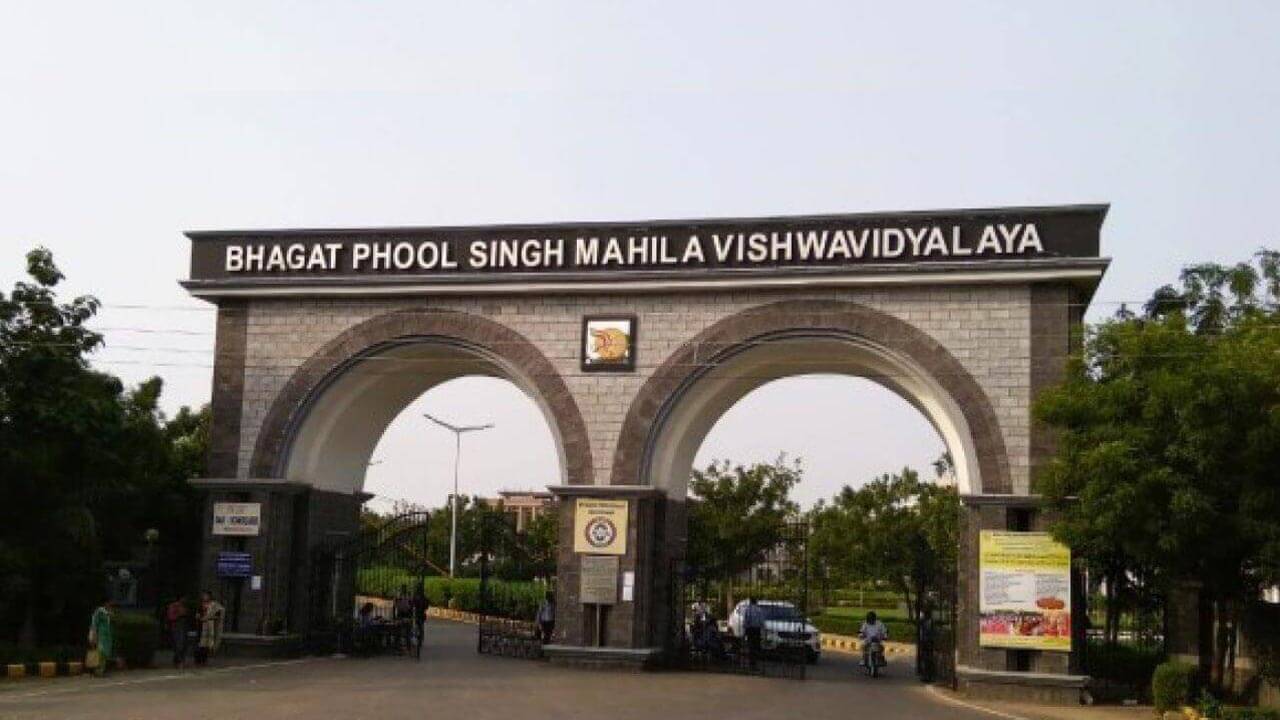
Introduction about Ph.D. From Tata Institute of Fundamental Research
The Ph.D. program at Tata Institute of Fundamental Research (TIFR), located in Maharashtra, stands as a beacon of excellence in the fields of science, mathematics, and interdisciplinary research. TIFR is renowned globally for its rigorous academic environment, cutting-edge research facilities, and a legacy of groundbreaking discoveries that have significantly impacted both national and international scientific communities. With a strong emphasis on fostering innovation and intellectual rigor, the institute provides a dynamic and collaborative setting where scholars can pursue advanced research across various disciplines. The Ph.D. program is meticulously designed to cultivate a deep understanding of theoretical foundations and practical applications, preparing candidates to tackle complex scientific challenges and contribute to the advancement of knowledge. Faculty members at TIFR are leading experts and distinguished researchers who mentor students through a comprehensive curriculum that integrates state-of-the-art research methodologies with traditional academic rigor. In addition to academic excellence, TIFR is committed to creating an inclusive environment that encourages critical thinking, problem-solving, and interdisciplinary collaboration. Whether your interests lie in fundamental physics, applied mathematics, computer science, or any of the emerging fields, the Ph.D. program at TIFR offers a platform to engage in transformative research. With a culture that celebrates innovation and excellence, TIFR continues to nurture future leaders in science and technology, making it a premier destination for aspiring researchers from around the world.
Fee Structure for Ph.D. in Tata Institute of Fundamental Research
| Tution Fee Per Year | Registration Fee | Total Fee |
|---|---|---|
| ₹20,000 | ₹3,000 | ₹23,000 |
| ₹25,000 | ₹3,000 | ₹28,000 |
The fee structure for the Ph.D. program at TIFR is both competitive and transparent. The institute ensures that the tuition fee, registration fee, and overall charges are designed to support a robust academic environment while remaining accessible to a diverse range of applicants. This structure is subject to minor variations depending on the chosen research area and other administrative factors.
Admission Process For Ph.D. in Tata Institute of Fundamental Research
The admission process at TIFR is a comprehensive evaluation designed to select candidates with exceptional academic backgrounds and strong research potential. The process ensures that only the most dedicated and innovative scholars become a part of this prestigious program.
- Submission of an online application via the official TIFR website.
- Presentation of academic transcripts, degrees, and relevant certificates.
- Submission of a detailed research proposal that outlines your intended area of study.
- Shortlisting of candidates based on academic credentials and research merit.
- Attendance in a written test evaluating technical knowledge and research aptitude.
- Personal interviews with faculty members to assess research interests and potential.
- Final selection based on comprehensive evaluation and performance in all rounds.
Each stage of the admission process is meticulously designed to ensure a fair and thorough assessment of the applicant’s academic achievements, research aptitude, and alignment with TIFR’s vision. Candidates are encouraged to prepare thoroughly and present a well-structured research proposal that demonstrates originality and feasibility.
Ph.D. Subjects in Tata Institute of Fundamental Research
| Subject Code | Subject Name |
|---|---|
| TIFR101 | Advanced Theoretical Physics |
| TIFR102 | Applied Mathematics and Computational Methods |
| TIFR103 | Quantum Mechanics and Field Theory |
| TIFR104 | Statistical Physics and Complex Systems |
| TIFR105 | Interdisciplinary Research in Emerging Technologies |
TIFR offers a wide range of subjects tailored to support pioneering research. The subjects are designed to provide in-depth theoretical knowledge as well as practical problem-solving skills in diverse fields. Each subject is carefully curated by experts to ensure relevance and advancement in current scientific research trends.
Document Required For Ph.D. in Tata Institute of Fundamental Research
To streamline the evaluation process, TIFR requires candidates to submit a set of essential documents that reflect their academic achievements and research readiness. These documents help in establishing the applicant’s background and potential for contributing to advanced research.
- Official academic transcripts and degree certificates from previous qualifications.
- A comprehensive research proposal detailing the intended area of research.
- Curriculum Vitae (CV) that outlines academic, research, and professional experiences.
- Letters of recommendation from academic mentors or industry professionals.
- Proof of identity and residence, such as a government-issued ID and utility bills.
- A statement of purpose highlighting your motivation for joining the Ph.D. program at TIFR.
These documents provide the admissions committee with a clear picture of your academic history and research capabilities. It is crucial to ensure that all submissions are authentic, up-to-date, and reflect your most significant academic accomplishments.
Tata Institute of Fundamental Research Ph.D. Syllabus
| Semester | Courses and Activities |
|---|---|
| 1st Semester | Introduction to Research Methodologies, Advanced Topics in Theoretical Physics |
| 2nd Semester | Computational Methods in Science, Seminar on Current Research Trends |
| 3rd Semester | Specialized Electives, Laboratory and Field Research Workshops |
| 4th Semester | Research Project Development, Interdisciplinary Research Seminars |
| Final Semester | Thesis Submission, Final Viva-Voce, and Defense |
The syllabus of the Ph.D. program at TIFR is structured to provide a balanced mix of coursework, hands-on research, and interactive learning experiences. It allows students to gradually build expertise in their chosen field while benefiting from the guidance of distinguished faculty members.
Tata Institute of Fundamental Research Research Methodology
- Comprehensive training in both qualitative and quantitative research methods.
- Emphasis on experimental design and statistical analysis techniques.
- Utilization of advanced computational tools for data analysis.
- Integration of interdisciplinary approaches to solve complex research problems.
- Regular workshops and seminars on innovative research practices.
- Ethical considerations and best practices in scientific research.
The research methodology at TIFR is designed to empower students with the skills necessary to conduct robust and impactful research. Emphasizing a balanced approach between theory and practice, the program incorporates state-of-the-art tools and techniques to enhance the overall research experience.
Tata Institute of Fundamental Research Highlights
| Aspect | Details |
|---|---|
| Institution Legacy | Over 70 years of pioneering research in science and technology. |
| Faculty | World-renowned researchers and accomplished academicians. |
| Research Facilities | State-of-the-art laboratories, supercomputing centers, and research hubs. |
| Collaborations | Global research partnerships with top universities and research institutes. |
| Alumni Network | Vast network of influential scientists and innovators across the globe. |
| Campus Life | Vibrant campus with a focus on innovation, diversity, and academic excellence. |
| Awards and Recognitions | Numerous accolades and international awards for research excellence. |
TIFR is widely recognized for its commitment to fostering a culture of research excellence. The institute offers unmatched facilities, an esteemed faculty, and a collaborative environment that propels students toward innovative breakthroughs. Its global collaborations and extensive alumni network further enhance the research opportunities available to scholars.
How To Apply For Ph.D. in Tata Institute of Fundamental Research
- Visit the official TIFR website and navigate to the Ph.D. admissions section.
- Carefully review the eligibility criteria and gather all required documents.
- Fill out the online application form with accurate personal and academic details.
- Upload your academic transcripts, certificates, research proposal, and other necessary documents.
- Submit letters of recommendation from reputable academic or research professionals.
- Prepare for and attend the written test and personal interview sessions.
- Keep track of application status via the online candidate portal.
- Participate in any pre-admission webinars or counseling sessions offered by TIFR.
- Contact the admissions office for any clarifications regarding the process.
- Ensure that your application is complete and submitted before the deadline.
Following these steps diligently will streamline your application process and increase your chances of securing admission into this prestigious program.
Courses After Ph.D. in Tata Institute of Fundamental Research
- Post-Doctoral Research Fellowships
- Advanced Research Methodology Workshops
- Interdisciplinary Certification Programs
- Executive Education in Science and Technology
- Collaborative Research Projects and Seminars
- Specialized Short-Term Courses on Emerging Technologies
After completing the Ph.D. program at TIFR, graduates have numerous opportunities to further enhance their academic profiles and research expertise through advanced courses and specialized programs.
Tata Institute of Fundamental Research Scholarship
The scholarship programs at TIFR are designed to support exceptionally talented candidates in their pursuit of groundbreaking research. These scholarships aim to alleviate financial constraints and empower scholars to focus on their research projects with complete dedication. The awards are determined based on academic merit, research potential, and overall performance during the admission process. Scholarships may include partial or full tuition fee waivers, research grants, and allowances for travel and conference participation. By providing this comprehensive financial support, TIFR ensures that financial barriers do not hinder the pursuit of scientific excellence. This commitment to fostering innovation is a testament to the institute's mission of nurturing future leaders in research and development.
- Merit-based scholarships for high academic achievers.
- Research grants to support innovative project work.
- Partial or full tuition fee waivers based on performance.
- Financial assistance for international conferences and workshops.
- Special awards for groundbreaking research contributions.
Tata Institute of Fundamental Research FAQ's Regarding Ph.D.
- What are the eligibility criteria for the Ph.D. program?
Candidates must hold a master’s degree in a relevant field with strong academic records and a well-articulated research proposal.
- How does the admission process work?
The process includes online application submission, document verification, a written test, and a personal interview with the faculty.
- What subjects are offered in the Ph.D. program?
TIFR offers a variety of subjects including Advanced Theoretical Physics, Applied Mathematics, Quantum Mechanics, and interdisciplinary research topics.
- Which documents are required for the application?
Applicants need to submit academic transcripts, degree certificates, research proposals, a detailed CV, recommendation letters, and proof of identity.
- What is the duration of the Ph.D. program?
The program typically spans between 3 to 5 years, depending on research progress and thesis development.
- Are there scholarship opportunities available?
Yes, TIFR offers various scholarships based on merit and research potential, which may include tuition waivers and research grants.
- Can international students apply?
International students are welcome to apply, provided they meet the academic and language proficiency requirements specified by TIFR.
- How is the fee structure organized?
The fee structure is divided into tuition fees, registration fees, and additional administrative charges, as outlined in the fee table above.
- Is the Ph.D. program full-time or part-time?
The program is designed as a full-time commitment, although certain flexible arrangements may be considered in exceptional cases.
- Where can I find more information about the program?
More details are available on the official TIFR website, including comprehensive guidelines on the Ph.D. admission process and program structure.