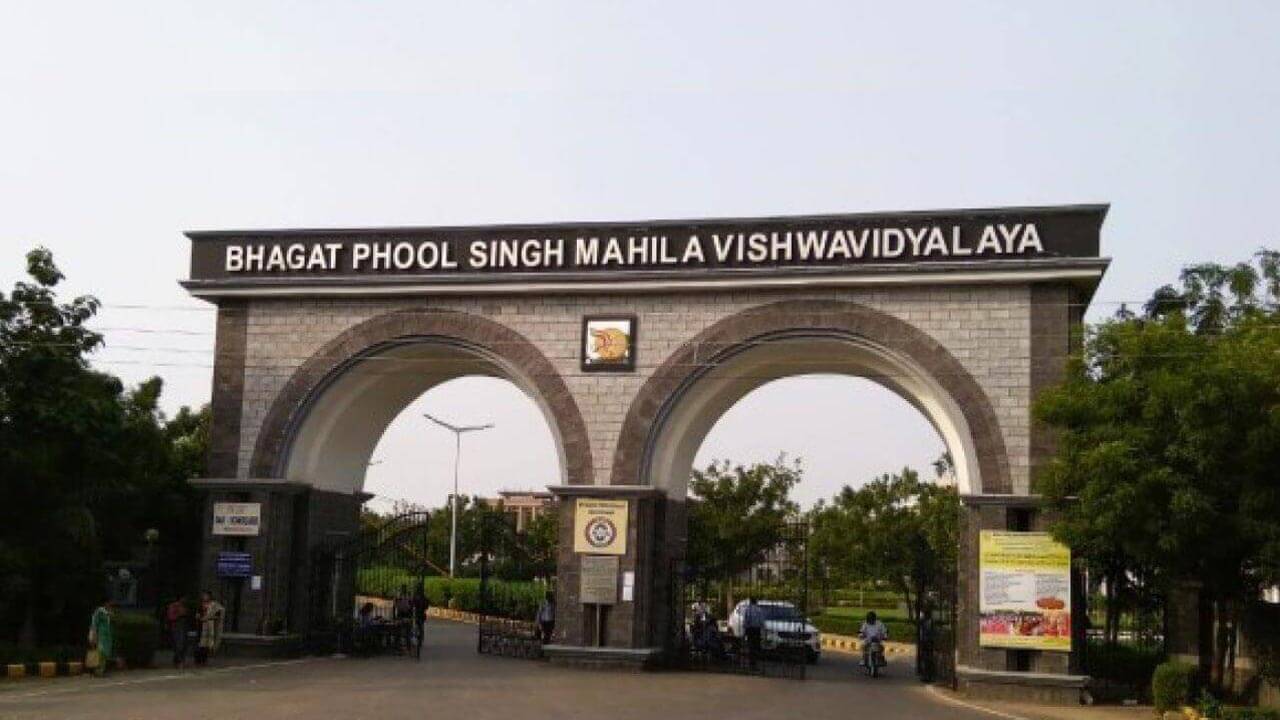
Introduction about Ph.D. From The Indira Gandhi National Tribal University
The Indira Gandhi National Tribal University (IGNTU), located in Madhya Pradesh, has been a beacon of higher education and research for students hailing from tribal and rural backgrounds. The Ph.D. program offered by IGNTU is designed to foster advanced research and innovation across a variety of disciplines. Emphasizing an interdisciplinary approach, the program encourages students to engage in comprehensive research that not only advances their chosen field but also contributes to the socio-economic development of the tribal regions. With a focus on quality research, modern methodologies, and academic excellence, the Ph.D. curriculum at IGNTU is structured to produce highly competent researchers capable of addressing contemporary challenges. The university provides a vibrant academic environment with experienced faculty, extensive research facilities, and a robust support system for students. Additionally, the program is tailored to nurture critical thinking, analytical skills, and ethical research practices. This initiative not only enhances individual careers but also empowers communities by generating locally relevant research and innovative solutions. IGNTU's commitment to academic excellence, community engagement, and research innovation makes it a preferred destination for aspiring scholars.
Fee Structure for Ph.D. in The Indira Gandhi National Tribal University
| Tution Fee Per Year | Registration Fee | Total Fee (Approx.) |
|---|---|---|
| INR 25,000 | INR 5,000 | INR 30,000 |
| INR 30,000 | INR 7,000 | INR 37,000 |
Admission Process For Ph.D. in The Indira Gandhi National Tribal University
The admission process for the Ph.D. program at IGNTU is designed to be both comprehensive and student-friendly. Prospective candidates must adhere to the guidelines and submit all required documents to ensure a smooth admission procedure. The process is conducted in several stages, which include application submission, entrance examination, and personal interview. The university emphasizes merit-based selection while also considering research proposals and academic credentials.
- Submit the online application form with accurate personal and academic details.
- Upload all necessary documents and pay the application fee.
- Appear for the entrance examination if required.
- Present a well-prepared research proposal outlining your area of interest.
- Attend the personal interview round conducted by the selection committee.
- Final selection is based on entrance scores, academic record, and research potential.
Ph.D. Subjects in The Indira Gandhi National Tribal University
| Subject | Area of Focus |
|---|---|
| Anthropology | Tribal Studies and Cultural Research |
| Environmental Science | Sustainable Development and Ecology |
| Social Sciences | Rural Development and Social Change |
| Education | Innovative Pedagogies and Community Learning |
| Public Policy | Governance and Tribal Welfare |
Document Required For Ph.D. in The Indira Gandhi National Tribal University
Applicants must submit a comprehensive set of documents along with their application. These documents are essential to verify the academic credentials and research capabilities of the candidate. Ensure that all scanned copies are clear and legible before submission.
- Scanned copy of the completed application form
- Copy of the Master’s degree certificate and mark sheets
- Valid identity proof (Aadhar card, Passport, etc.)
- Research proposal outlining the intended area of study
- Letters of recommendation from academic mentors or professionals
- Statement of Purpose (SOP) detailing research interests and career goals
- Proof of payment of the application fee
The Indira Gandhi National Tribal University Ph.D. Syllabus
| Semester/Phase | Topics Covered | Credits |
|---|---|---|
| Phase 1 | Research Methodology, Literature Review, Research Ethics | 20 |
| Phase 2 | Data Collection Techniques, Statistical Analysis, Field Work | 25 |
| Phase 3 | Thesis Writing, Advanced Research Topics, Peer Review | 30 |
The Indira Gandhi National Tribal University Research Methodology
- Adoption of both qualitative and quantitative research methods.
- Emphasis on field studies and primary data collection in tribal areas.
- Use of advanced statistical tools and software for data analysis.
- Integration of interdisciplinary research techniques.
- Focus on ethical considerations and community impact.
- Regular seminars, workshops, and peer reviews to refine research strategies.
The Indira Gandhi National Tribal University Highlights
| Highlight | Details |
|---|---|
| Heritage and Mission | Dedicated to uplifting tribal communities through quality education and research. |
| Research Infrastructure | State-of-the-art laboratories, extensive library resources, and digital archives. |
| Faculty Expertise | Experienced and internationally recognized scholars and researchers. |
| Community Engagement | Strong ties with local communities, promoting research that benefits society. |
| Industry Collaboration | Partnerships with research institutions and industries for collaborative projects. |
| Campus Facilities | Modern classrooms, seminar halls, hostels, and recreational amenities. |
| Innovation and Entrepreneurship | Support for startups and innovation through dedicated research centers. |
How To Apply For Ph.D. in The Indira Gandhi National Tribal University
- Visit the official university website and navigate to the Ph.D. admissions page.
- Download the application form or apply online by creating an account.
- Fill in all required fields with accurate personal, academic, and research details.
- Attach scanned copies of all required documents as specified.
- Submit your research proposal with clear objectives and methodology.
- Pay the application fee through the provided online payment gateway.
- Review the application details carefully before final submission.
- Keep track of the application status and notifications for further steps.
- Prepare for any subsequent entrance exams or interviews if shortlisted.
- Contact the admissions office for any clarifications or assistance.
Courses After Ph.D. in The Indira Gandhi National Tribal University
- Post-Doctoral Research Fellowships
- Academic Teaching Positions
- Research Consultant Roles
- Industry-Based Research Opportunities
- Government and Policy Advisory Positions
- International Research Collaborations
The Indira Gandhi National Tribal University Scholarship
The university offers a range of scholarships to support outstanding research and to ensure that financial constraints do not hinder academic progress. These scholarships are designed to reward merit, promote research excellence, and facilitate the advancement of knowledge in diverse fields. Eligible candidates are encouraged to apply for various internal and government-sponsored financial aids. The scholarship schemes provide tuition waivers, research grants, and living allowances to deserving students. With an aim to foster innovation and inclusivity, these programs ensure that candidates from economically weaker sections, especially from tribal communities, receive the necessary financial backing. The scholarship criteria include academic performance, research potential, and socio-economic background. Detailed guidelines and application procedures are available on the university’s official website.
- Merit-based Scholarships
- Research Grants
- Government Sponsored Financial Aids
- Special Scholarships for Tribal Candidates
- Assistance for International Collaborative Research
The Indira Gandhi National Tribal University FAQ's Regarding Ph.D.
- What is the eligibility criteria for the Ph.D. program?
Candidates must hold a relevant Master’s degree with a minimum percentage as specified by the university, along with a well-articulated research proposal.
- Is there an entrance exam for admission?
Yes, an entrance examination is conducted for short-listed candidates, followed by a personal interview.
- What documents are mandatory for the application?
The application requires academic certificates, a valid identity proof, research proposal, recommendation letters, and a statement of purpose.
- How is the fee structure organized?
The fee structure includes a tuition fee per year, registration fee, and a total fee that varies slightly based on the chosen course stream.
- What kind of research methodology training is provided?
The program emphasizes both qualitative and quantitative research methods, with regular workshops and seminars to refine these skills.
- Are there any scholarships available for Ph.D. students?
Yes, a range of scholarships and financial aids are available based on merit, research proposals, and socio-economic background.
- Can international students apply for the Ph.D. program?
International candidates are welcome and may also be eligible for special scholarship schemes and research collaborations.
- What are the main subjects offered under the Ph.D. program?
The subjects include tribal studies, environmental science, social sciences, education, and public policy, among others.
- How long does it typically take to complete the Ph.D.?
The duration of the program generally spans 3 to 5 years, depending on the research progress and academic requirements.
- Where can I find more information regarding the application process?
All detailed information, including application guidelines and deadlines, is available on the official website of The Indira Gandhi National Tribal University.