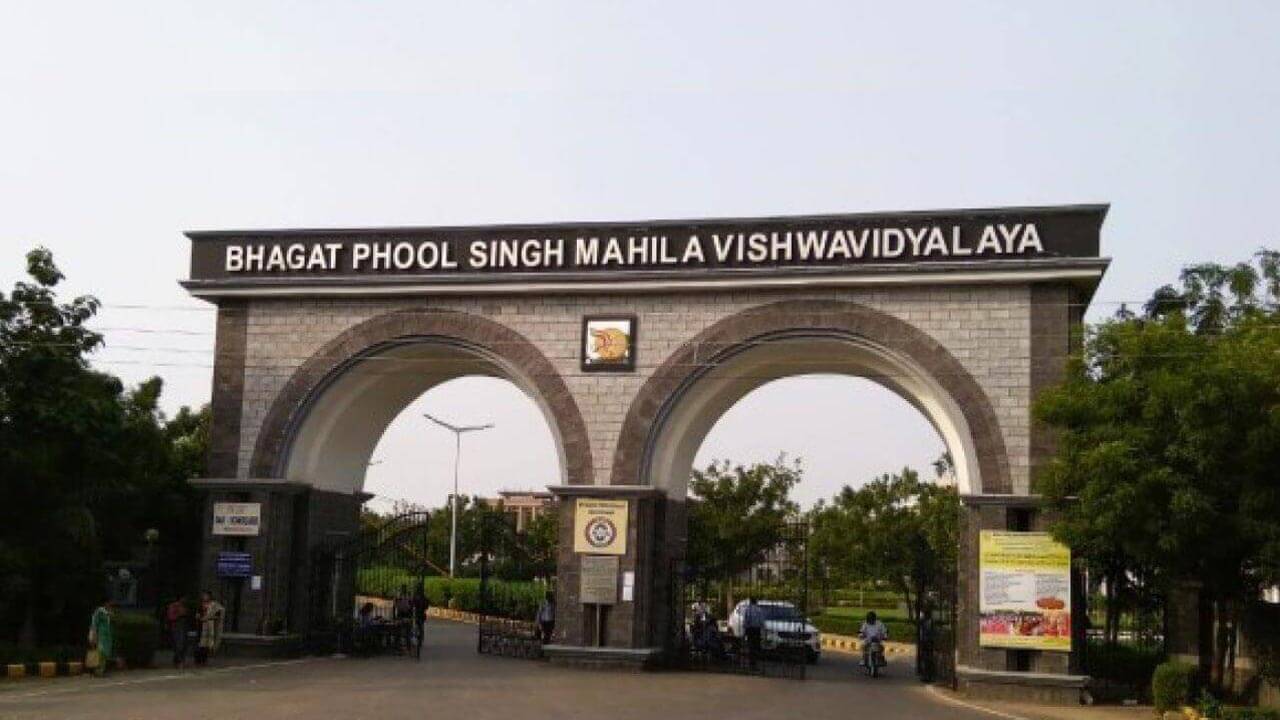
Introduction about Ph.D. From University of Agricultural Sciences
The University of Agricultural Sciences stands as a beacon of academic excellence and innovative research in the field of agriculture. Its Ph.D. program is meticulously designed to foster advanced research skills and critical thinking, enabling candidates to contribute significantly to sustainable agricultural development. With a legacy of excellence and a commitment to addressing the pressing challenges of modern agriculture, the university offers a dynamic and interdisciplinary research environment. Students are encouraged to explore a variety of subjects including crop improvement, soil science, agricultural biotechnology, and resource management.
This program blends rigorous coursework with extensive practical research, ensuring that candidates are well-equipped with both theoretical knowledge and hands-on experience. Faculty members, who are leaders in their respective fields, provide personalized mentorship and guidance throughout the academic journey. The state-of-the-art laboratories, modern research facilities, and comprehensive library resources available at the university further enhance the learning experience.
Moreover, the Ph.D. program is designed to support a diverse range of research interests, from fundamental scientific inquiries to applied research projects that directly impact farming practices and food security. The university’s commitment to ethical research practices and interdisciplinary collaboration makes it an ideal choice for scholars aiming to become future leaders in agricultural research. Whether your goal is to innovate new techniques in crop management or to develop sustainable environmental practices, the Ph.D. program at the University of Agricultural Sciences provides the perfect platform to achieve your academic and professional aspirations.
Fee Structure for Ph.D. in University of Agricultural Sciences
| Tution Fee Per Year | Registration | Total Fee |
|---|---|---|
| INR 20,000 | INR 2,000 | INR 22,000 |
| INR 25,000 | INR 2,000 | INR 27,000 |
Admission Process For Ph.D. in University of Agricultural Sciences
The admission process at the University of Agricultural Sciences is rigorous and designed to identify candidates with exceptional academic records and strong research potential. The process includes several steps to ensure that each applicant meets the high standards required for advanced research.
- Complete the online application form with accurate personal and academic details.
- Submit academic transcripts, degree certificates, and other necessary documents.
- Provide a detailed research proposal outlining your research objectives, methodology, and expected outcomes.
- Participate in a written examination (if required) to assess your subject knowledge and research aptitude.
- Attend a personal interview conducted by the selection committee.
- Submit letters of recommendation from academic or industry professionals.
- Ensure all documents are duly attested and verified according to the university guidelines.
- Monitor your application status via the university's official online portal and respond promptly to any queries.
Ph.D. Subjects in University of Agricultural Sciences
| Subject Area | Description |
|---|---|
| Crop Science & Agronomy | Focuses on crop improvement, pest management, and sustainable farming practices. |
| Soil Science & Plant Nutrition | Research on soil fertility, nutrient management, and environmental impact on agriculture. |
| Agricultural Biotechnology | Covers genetic engineering, molecular breeding, and modern biotechnological applications. |
| Horticulture & Plantation Crops | Studies on cultivation, management, and post-harvest technologies for fruits, vegetables, and ornamental crops. |
| Agro-Environmental Science | Explores sustainable agricultural practices, climate change adaptation, and environmental conservation. |
Document Required For Ph.D. in University of Agricultural Sciences
To complete your application, a comprehensive set of documents must be submitted. These documents help verify your academic credentials and research capabilities and are crucial for the admission process.
- Completed online application form with current personal information.
- Official academic transcripts and degree certificates.
- A detailed research proposal outlining your research objectives and methodology.
- A statement of purpose (SOP) that explains your motivation and future career goals.
- Letters of recommendation from academic or professional referees.
- Proof of identity such as a passport or government-issued ID.
- Recent passport-sized photographs.
- Any published research papers or documentation of prior research work (if applicable).
University of Agricultural Sciences Ph.D. Syllabus
| Module/Semester | Course Content | Credit Hours |
|---|---|---|
| Module 1 | Advanced Research Methods, Theoretical Foundations, and Literature Review | 3 |
| Module 2 | Specialized Electives and Domain-Specific Studies in Agricultural Sciences | 4 |
| Module 3 | Quantitative & Qualitative Data Analysis Techniques | 3 |
| Module 4 | Thesis Development, Dissertation Writing, and Seminar Presentations | 5 |
University of Agricultural Sciences Research Methodology
- Conduct extensive literature reviews to identify current research gaps in agriculture.
- Formulate clear research questions and hypotheses based on emerging challenges.
- Utilize both qualitative and quantitative research methods for comprehensive analysis.
- Employ advanced statistical tools and software to interpret research data.
- Adhere strictly to ethical research practices and obtain necessary approvals.
- Participate in continuous peer reviews and seek regular guidance from faculty mentors.
University of Agricultural Sciences Highlights
| Highlight | Details |
|---|---|
| Renowned Institution | Celebrated for its excellence in agricultural research and education. |
| Modern Facilities | Equipped with state-of-the-art laboratories, research centers, and extensive library resources. |
| Expert Faculty | Led by distinguished professors and researchers with extensive industry and academic expertise. |
| Interdisciplinary Research | Encourages collaboration across various fields of agricultural sciences and allied disciplines. |
| Global Collaborations | Maintains partnerships with leading research institutions and agricultural organizations worldwide. |
| Innovative Curriculum | Integrates modern techniques with traditional agricultural practices to foster innovation. |
| Vibrant Campus Life | Offers a dynamic environment that supports academic, cultural, and extracurricular activities. |
How To Apply For Ph.D. in University of Agricultural Sciences
- Visit the official website of the University of Agricultural Sciences and navigate to the Ph.D. admissions section.
- Download the application form and carefully review the eligibility criteria and guidelines.
- Fill out the application form with accurate personal, academic, and research details.
- Prepare a comprehensive research proposal and statement of purpose.
- Gather and submit all required documents including transcripts, certificates, and letters of recommendation.
- Attend the written test and/or personal interview as scheduled by the admissions committee.
- Ensure that all documents are properly attested and meet the submission deadlines.
- Monitor your application status through the university’s online portal and respond promptly to any further requests.
Courses After Ph.D. in University of Agricultural Sciences
- Postdoctoral Research Programs
- Advanced Certification Courses in Agricultural Innovations
- Executive Education Programs in Agribusiness Management
- Specialized Workshops on Modern Farming Techniques
- Interdisciplinary Collaborative Research Projects with Industry Experts
University of Agricultural Sciences Scholarship
The University of Agricultural Sciences is dedicated to nurturing research talent by offering a variety of scholarships designed to ease the financial burden of advanced studies. These scholarships, awarded on the basis of academic excellence, research innovation, and financial need, provide recipients with tuition fee waivers, research grants, and stipends for living expenses. This robust support system enables students to fully focus on their research without monetary distractions. The transparent, merit-based selection process ensures that the most deserving candidates are recognized and supported. By offering these scholarships, the university reinforces its commitment to fostering cutting-edge research and sustainable agricultural practices, ultimately contributing to advancements that benefit both academia and the agricultural industry.
- Merit-Based Scholarships for outstanding academic performance.
- Research Grants to support innovative projects with significant impact.
- Need-Based Financial Assistance for candidates with limited economic resources.
- Special Fellowships aimed at promoting interdisciplinary research collaborations.
University of Agricultural Sciences FAQ's Regarding Ph.D.
- Q1: What are the eligibility criteria for the Ph.D. program?
A: Applicants must hold a relevant master’s degree in agricultural sciences or a related field, with a strong academic record. Additional tests or interviews may be required by specific departments.
- Q2: How important is the research proposal?
A: The research proposal is a vital component of the application, detailing your research objectives, methodology, and expected contributions. It plays a crucial role in the selection process.
- Q3: What documents are required for admission?
A: Required documents include academic transcripts, degree certificates, a detailed research proposal, a statement of purpose, letters of recommendation, proof of identity, and recent passport-sized photographs.
- Q4: Is there a written exam for the Ph.D. program?
A: Some departments may require a written examination followed by a personal interview as part of the admission process.
- Q5: How long does the Ph.D. program take to complete?
A: The duration typically ranges from 3 to 5 years, depending on the research area and individual progress.
- Q6: Are scholarships available for Ph.D. students?
A: Yes, the university offers various scholarships based on academic merit, research potential, and financial need.
- Q7: Can working professionals apply for the program?
A: Yes, the program accommodates both full-time researchers and working professionals with flexible study options.
- Q8: What research facilities are available?
A: The university provides modern laboratories, well-equipped research centers, extensive libraries, and digital resources to support advanced research in agricultural sciences.
- Q9: How is the admission interview conducted?
A: The interview is conducted by a panel of experts who evaluate your research proposal, academic credentials, and overall fit for the program.
- Q10: Where can I find more detailed information about the Ph.D. program?
A: Detailed information is available on the official University of Agricultural Sciences website or by contacting the admissions office directly.