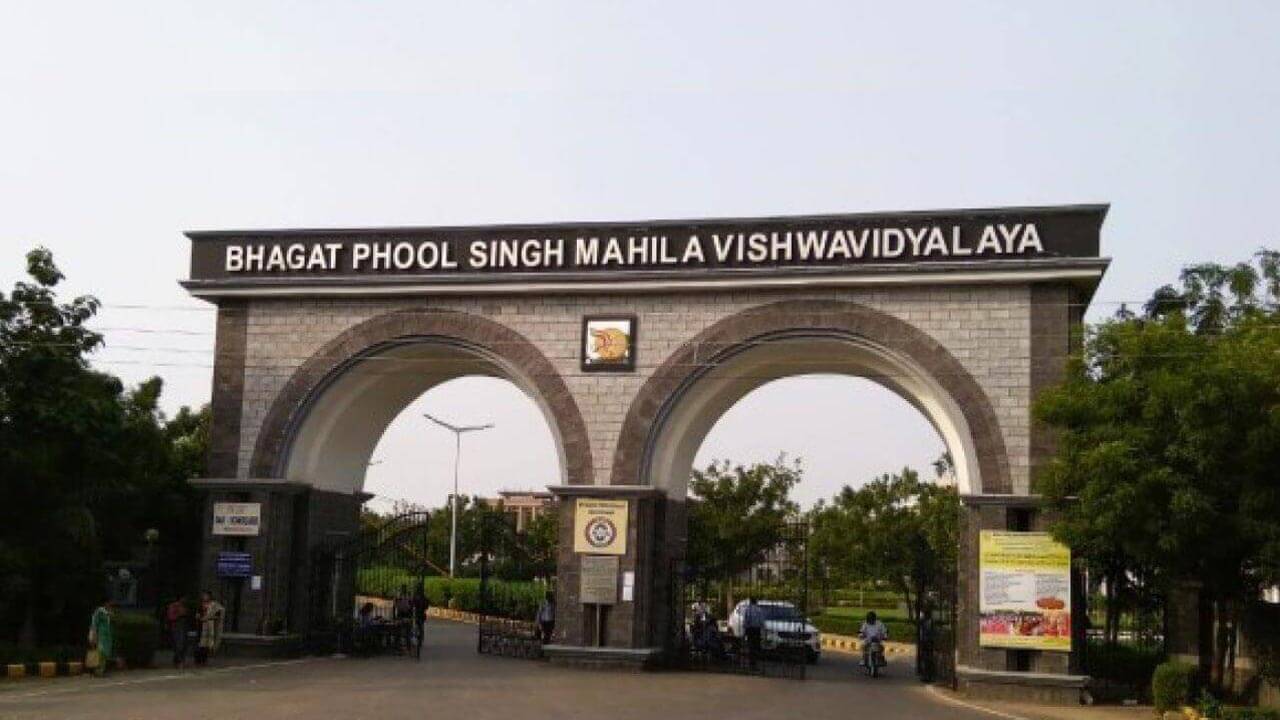
Introduction about Ph.D. in Electronics and Communication Engineering at Baba Mastnath University
Embarking on a Ph.D. in Electronics and Communication Engineering at Baba Mastnath University is a transformative journey for professionals seeking to become innovators in the fast‑evolving world of wireless technologies, signal processing, and embedded systems. With state‑of‑the‑art laboratories, industry‑linked research projects, and a vibrant academic community, the university provides the perfect environment to turn your curiosity into groundbreaking discoveries.
Eligibility Criteria for Ph.D. in Electronics and Communication Engineering at Baba Mastnath University
To qualify for the doctoral program, candidates must meet the following requirements:
- Hold a Master’s degree (M.Tech, M.E., MSc, or equivalent) in Electronics, Communication, Electrical Engineering, or a closely related discipline with a minimum aggregate of 55% (or CGPA 6.0/10).
- Pass the University‑conducted Ph.D. entrance examination or possess a valid GATE/UGC NET score (minimum 55% percentile).
- Demonstrate a solid research background through publications, project work, or patents.
- English language proficiency (IELTS/TOEFL) for international candidates.
Entrance Exam for Ph.D. in Electronics and Communication Engineering at Baba Mastnath University
The entrance test assesses both theoretical knowledge and research aptitude. It comprises:
- Written exam (60 marks) covering Advanced Analog/Digital Communication, Signal Processing, Microwave Engineering, and Research Methodology.
- Viva‑voce interview (40 marks) focusing on the candidate’s proposed research topic, motivation, and analytical skills.
Candidates with valid GATE/UGC NET scores are exempted from the written component but must attend the interview.
Fee Structure for Ph.D. in Electronics and Communication Engineering at Baba Mastnath University
The fee is designed to be affordable while covering essential academic resources.
| Component | Annual Fee (INR) | Notes |
|---|---|---|
| Tuition & Laboratory Charges | 45,000 | Includes access to all labs and research facilities |
| Library & Digital Resources | 5,000 | Unlimited e‑journal and database access |
| Research Project & Materials | 10,000 | Materials, components, and prototype development |
| Administration & Examination Fee | 3,000 | Includes registration and evaluation fees |
| Total (per year) | 63,000 | Subject to annual revision by the university |
Admission Process for Ph.D. in Electronics and Communication Engineering at Baba Mastnath University
Follow these systematic steps to secure admission:
- Complete the online application form on the university’s Ph.D. admissions portal.
- Upload scanned copies of academic transcripts, GATE/NET scores (if any), and a research proposal (max 1500 words).
- Pay the non‑refundable application fee (INR 2,000) via net banking or UPI.
- Appear for the entrance exam (or submit valid GATE/NET score) on the scheduled date.
- Participate in the viva‑voce interview.
- Receive the admission offer letter and complete enrollment by submitting the acceptance fee.
Ph.D. Subjects and Specializations in Electronics and Communication Engineering at Baba Mastnath University
The doctoral program offers a wide range of specializations, allowing you to tailor your research to emerging industry demands:
- Advanced Wireless Communication & 5G/6G Technologies
- Signal Processing for Audio, Image, and Video
- Microwave and Millimeter‑Wave Engineering
- Embedded Systems and IoT Architecture
- Optoelectronics and Photonic Devices
- Robotics and Autonomous Systems
- Machine Learning for Communications
Research Areas in Electronics and Communication Engineering at Baba Mastnath University
Faculty members are actively engaged in cutting‑edge research that aligns with national missions and industry roadmaps, including:
- Smart Antenna Design and Beamforming
- Energy‑Efficient RF Power Amplifiers
- Quantum Communication Protocols
- 5G Network Slicing and Edge Computing
- Biomedical Signal Processing
- Secure Communication and Cryptography
- AI‑Driven Spectrum Management
Documents Required for Ph.D. in Electronics and Communication Engineering at Baba Mastnath University
Ensure a smooth application by preparing the following documents:
| S.No. | Document | Format | Remarks |
|---|---|---|---|
| 1 | Academic Transcript (M.Tech/M.Sc) | PDF (scanned) | Attested copy |
| 2 | Degree Certificate | Original & attested | |
| 3 | GATE/UGC NET Scorecard | If applicable | |
| 4 | Research Proposal | DOCX or PDF | Maximum 1500 words |
| 5 | Curriculum Vitae | Professional format | |
| 6 | Two Academic References | Signed letters | |
| 7 | Passport‑Size Photograph | JPEG | Recent (last 6 months) |
| 8 | Proof of Identity (Aadhaar/Passport) | Government ID |
Baba Mastnath University Ph.D. Syllabus for Electronics and Communication Engineering
The syllabus is structured to blend core theory with intensive research work:
- Semester 1: Advanced Communication Theory, Research Methodology, Scientific Writing.
- Semester 2: Signal Processing Techniques, Elective I (choose from specialization list), Proposal Defence.
- Semester 3‑4: Laboratory Work, Elective II, Publication of conference paper.
- Semester 5‑6: Thesis Research, Patent Filing Guidance, Final Thesis Submission.
Baba Mastnath University Research Methodology for Ph.D. in Electronics and Communication Engineering
A robust methodology module equips candidates with:
- Formulating research questions and hypothesis testing.
- Quantitative & qualitative data collection techniques.
- Statistical analysis using MATLAB, Python, and R.
- Ethical considerations and intellectual property management.
- Effective dissemination through journals and conferences.
For expert assistance, explore our Research Data Analysis Services.
Highlights of Ph.D. in Electronics and Communication Engineering at Baba Mastnath University
| Feature | Benefit |
|---|---|
| Industry‑Sponsored Projects | Hands‑on experience with leading telecom firms. |
| World‑Class Labs | Access to RF testbeds, satellite communication simulators, and AI‑enabled labs. |
| International Collaboration | Joint research with universities in USA, UK, and Singapore. |
| Publication Support | Guidance from submission to acceptance in IEEE/Elsevier journals. |
| Scholarships & Stipends | Merit‑based financial aid covering up to 70% of tuition. |
How To Apply for Ph.D. in Electronics and Communication Engineering at Baba Mastnath University
The application is straightforward:
- Visit the online portal and create a new account.
- Fill in personal, academic, and research details.
- Upload the required documents (refer to the Documents Required table).
- Pay the application fee and submit.
- Monitor your email for exam dates and interview invitations.
- Upon selection, complete the enrollment formalities within 15 days.
Career Scope and Job Opportunities After Ph.D. in Electronics and Communication Engineering from Baba Mastnath University
Graduates emerge as thought leaders ready for high‑impact roles such as:
- R&D Scientist – Telecom equipment manufacturers (e.g., Qualcomm, Ericsson)
- Principal Engineer – Wireless network design firms
- Academic Faculty – Universities and research institutes
- Chief Technology Officer – Start‑ups focusing on IoT, AI‑driven communications
- Consultant – Government agencies on spectrum policy and smart city initiatives
- Patent Analyst – Intellectual property firms and corporate legal departments
Boost your academic profile with our Thesis and Dissertation Writing Services or get assistance with publications via Research Paper Writing Services.
Scholarship for Ph.D. in Electronics and Communication Engineering at Baba Mastnath University
The university offers several merit‑based and need‑based scholarships:
- Merit Scholarship: 50% tuition waiver for students scoring above 80% in the entrance exam.
- Research Assistantship: Monthly stipend of INR 15,000 plus travel allowance for project work.
- Industry Sponsored Fellowship: Full tuition coverage and a stipend of INR 20,000 for collaborative projects.
- Women Empowerment Grant: Additional INR 5,000 per month for female researchers.
For detailed guidance on applying for scholarships, consult our PhD Admission Assistance.
FAQs Regarding Ph.D. in Electronics and Communication Engineering at Baba Mastnath University
- 1. What is the minimum duration of the Ph.D. program?
- The program typically spans 3‑4 years, depending on research progress and publication requirements.
- 2. Can I pursue the Ph.D. part‑time while working?
- Yes, a part‑time option is available for industry professionals, with flexible class schedules and extended project timelines.
- 3. Is there any limit on the number of publications required?
- Students must publish at least two peer‑reviewed journal articles or three conference papers before thesis submission.
- 4. Are collaborations with foreign universities allowed?
- Absolutely. Joint supervision and exchange programs are encouraged, especially for cutting‑edge topics like 6G and quantum communication.
- 5. How can I avail the university’s patent support?
- Register with the Office of Technology Transfer. Our dedicated team, in partnership with Patent Filing and Support Services, assists throughout the filing process.