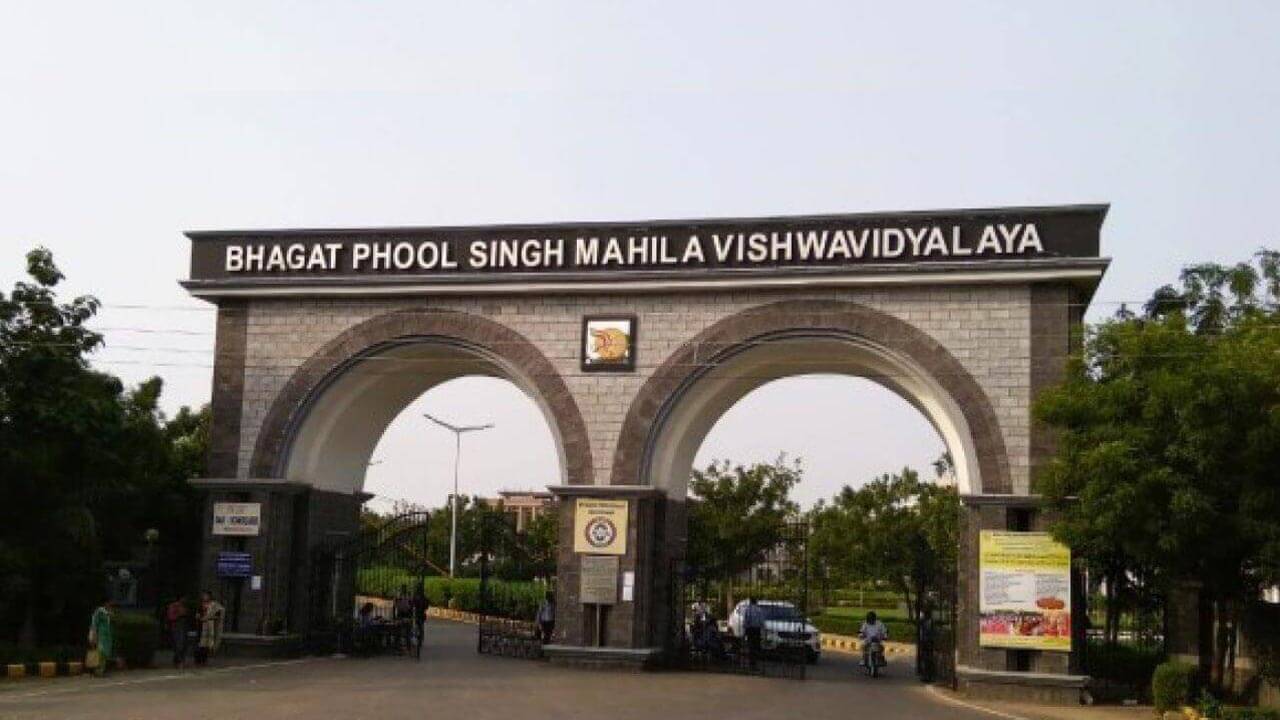
Introduction about Ph.D. in History at Alagappa University
Alagappa University, a centre of academic excellence in Tamil Nadu, offers a research‑intensive Ph.D. in History designed for professionals and scholars who aspire to become thought‑leaders in historiography, cultural studies, and archival research. The programme blends rigorous methodological training with thematic specialisations, empowering candidates to contribute original knowledge to the field of history.
Eligibility Criteria for Ph.D. in History at Alagappa University
- Minimum of 55% aggregate marks in a Master's degree in History or a related discipline (55% for SC/ST candidates).
- Valid GATE, CSIR‑NET, UGC‑NET, or any equivalent national level test score (optional but preferred).
- Candidates with a M.Phil in History are exempted from the entrance examination.
- Professional experience in research, teaching, or heritage management strengthens the application.
Entrance Exam for Ph.D. in History at Alagappa University
Qualified aspirants must appear for the university’s Ph.D. entrance test, which evaluates:
- Core knowledge of historical theories and periods.
- Research methodology and analytical skills.
- English proficiency and academic writing.
The test consists of a written paper (100 marks) followed by an interview and a research proposal presentation.
Fee Structure for Ph.D. in History at Alagappa University
| Fee Component | Amount (INR) | Notes |
|---|---|---|
| Admission & Registration Fee | 15,000 | One‑time, payable at the time of admission. |
| Annual Tuition Fee | 25,000 per year | Applicable for up to 5 years (or until submission of thesis). |
| Examination & Evaluation Fee | 5,000 per semester | Includes internal assessment and semester‑end exams. |
| Library & Laboratory Access | 2,000 per annum | Provides unlimited access to digital archives and resources. |
| Total Approximate Cost (5‑year duration): INR 2,02,000 | ||
Admission Process for Ph.D. in History at Alagappa University
- Online Application: Submit the completed application form via the university portal.
- Document Upload: Upload scanned copies of academic transcripts, degree certificates, and proof of identity.
- Entrance Examination: Appear for the written test (or submit valid GATE/NET scores).
- Interview & Proposal Review: Defend your research proposal before a faculty panel.
- Final Admission Letter: Receive the official offer and pay the registration fee.
Ph.D. Subjects and Specializations in History at Alagappa University
- Ancient Indian History and Archaeology
- Medieval South Indian Kingdoms
- Modern Indian Nationalist Movements
- World History and Globalization
- Cultural History and Heritage Studies
- Historical Sociology and Economic History
Research Areas in History at Alagappa University
Faculty expertise and ongoing projects cover a wide spectrum, including:
- Temple architecture and religious epigraphy.
- Colonial administrative records and their impact on contemporary governance.
- Trade routes of the Indian Ocean and maritime history.
- Gender dynamics in pre‑colonial societies.
- Digital humanities – mapping historical data with GIS.
- Public history and museum curation practices.
Documents Required for Ph.D. in History at Alagappa University
| Document | Details |
|---|---|
| Application Form | Online submission with a recent passport‑size photograph. |
| Academic Transcripts | Mark sheets of B.A., M.A., and M.Phil (if applicable). |
| Proof of Eligibility | GATE/NET scorecard or university‑issued eligibility certificate. |
| Research Proposal | 1500‑word synopsis outlining objectives, methodology, and bibliography. |
| Identity Proof | Aadhaar card or passport copy. |
| Experience Certificates (optional) | Letters from employers or research institutions. |
Alagappa University Ph.D. Syllabus for History
The curriculum is divided into three phases:
- Phase I – Coursework (Year 1–2): Core modules on historiography, research methods, and elective special‑topic seminars.
- Phase II – Comprehensive Examination (End of Year 2): Written and oral tests to assess mastery of subject matter.
- Phase III – Thesis (Year 3–5): Original research, data collection, analysis, and submission of a doctoral dissertation.
Alagappa University Research Methodology for Ph.D. in History
Students are trained in both qualitative and quantitative techniques, including:
- Archival research and palaeography.
- Oral history collection and ethnographic interviewing.
- Statistical analysis of historical datasets.
- Digital tools – GIS mapping, text mining, and data visualization.
- Critical discourse analysis and comparative studies.
Highlights of Ph.D. in History at Alagappa University
| Feature | Benefit |
|---|---|
| Interdisciplinary Approach | Blend of History with sociology, economics, and digital humanities. |
| Experienced Faculty | Mentors with national and international publications. |
| State‑of‑the‑art Archives | Access to rare manuscripts, colonial records, and epigraphic collections. |
| Funding Opportunities | Scholarships, research grants, and teaching assistantships. |
| Career Services | Placement assistance for academic, governmental, and heritage sectors. |
How To Apply for Ph.D. in History at Alagappa University
- Visit the official Alagappa University Ph.D. portal and register.
- Complete the online application form and upload the required documents.
- Pay the non‑refundable registration fee through net banking or credit card.
- Schedule and appear for the entrance examination (or submit a valid GATE/NET score).
- Prepare your research proposal; use the PhD Topic Selection and Proposal Assistance service for expert guidance.
- Attend the interview and, upon selection, confirm your admission by paying the annual tuition fee.
Career Scope and Job Opportunities After Ph.D. in History from Alagappa University
Graduates enjoy a broad spectrum of roles:
- Academia: Lecturer, Assistant Professor, Research Fellow, Head of Department.
- Research Institutes: Historian, Curator, Archival Specialist.
- Government & Public Policy: Cultural Heritage Officer, Policy Analyst, UNESCO consultant.
- Publishing & Media: Author, Editor, Documentary Researcher.
- Corporate Sector: Corporate Historian, Knowledge Management Analyst.
The demand for analytical thinkers with strong research capabilities continues to rise, especially in heritage tourism, digital archiving, and academia.
Scholarship for Ph.D. in History at Alagappa University
Alagappa University provides several financial aids:
- University Merit Scholarship – up to 50% tuition waiver for top‑ranked candidates.
- UGC‑CSIR Junior Research Fellowship – INR 31,000 per month (subject to eligibility).
- State Government Stipends for SC/ST/OBC candidates.
- External fellowships through the Research Paper Writing Services partner network.
Applicants are encouraged to apply early, as scholarship allocations are limited.
FAQs Regarding Ph.D. in History at Alagappa University
- Q1: Is a M.Phil mandatory for admission?
- A: No. A master’s degree with the required percentage and a valid entrance test score is sufficient.
- Q2: How long does the Ph.D. programme typically take?
- A: The minimum duration is three years; most students complete it within five years.
- Q3: Can I pursue the Ph.D. part‑time while working?
- A: Yes, the university offers a flexible part‑time mode for working professionals.
- Q4: What support is available for data analysis?
- A: The university’s research centre provides access to statistical software; additionally, you may use Research Data Analysis Services for specialised assistance.
- Q5: Are there opportunities for publishing my work?
- A: Absolutely. The department collaborates with journals and conferences, and you can also benefit from Research Publication Support.