Introduction about Ph.D. in Kannada at Alliance University
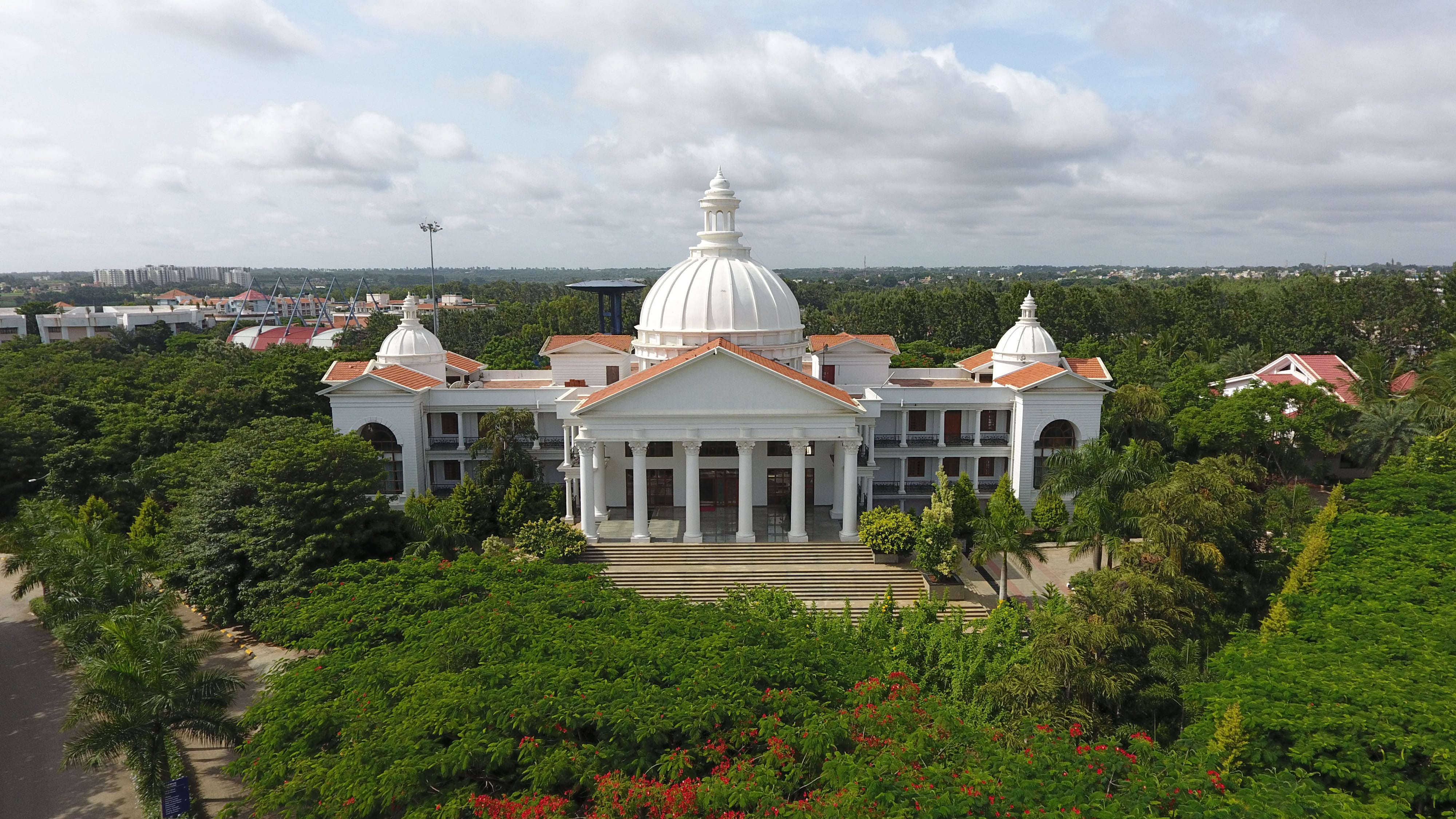
Alliance University, a pioneer in research‑driven education, offers a Ph.D. in Kannada that blends traditional literary scholarship with modern interdisciplinary approaches. Designed for academicians, writers, and cultural professionals, this doctoral programme empowers candidates to explore the rich tapestry of Kannada language, literature, and culture while contributing original research that advances both regional and global knowledge. The journey is supported by experienced faculty, state‑of‑the‑art facilities, and a vibrant scholarly community that nurtures creativity, critical thinking, and academic excellence.
Eligibility Criteria for Ph.D. in Kannada at Alliance University
Prospective candidates must meet the following minimum requirements:
- Hold a Master’s degree in Kannada or a related discipline (e.g., Linguistics, Literature, Cultural Studies) with at least 55% marks (or equivalent CGPA) from a recognized university.
- For candidates with a NET or UGC-CSIR qualification, the minimum aggregate requirement is relaxed to 50%.
- English language proficiency (IELTS/TOEFL) is not mandatory for Indian nationals, but an adequate command of academic English is expected for research dissemination.
- Applicants must submit a research proposal of 1500–2000 words outlining objectives, methodology, and potential contribution.
Entrance Exam for Ph.D. in Kannada at Alliance University
Alliance University conducts an entrance test to evaluate candidates’ subject knowledge and research aptitude. The exam consists of two sections:
- Subject Knowledge (Written): 60 marks – covering Kannada literature, linguistics, history, and contemporary criticism.
- Research Aptitude (Viva/Interview): 40 marks – assessment of the proposed research topic, methodological soundness, and alignment with university strengths.
Applicants who have cleared national eligibility tests such as NET, UGC-JRF, or CSIR are exempted from the written component but must appear for the interview.
Fee Structure for Ph.D. in Kannada at Alliance University
| Component | Annual Fee (INR) | Notes |
|---|---|---|
| Tuition & Academic Charges | 55,000 | Applicable for the entire duration (3‑4 years) |
| Library & Digital Resources | 7,500 | Includes access to e‑journals and archives |
| Research Lab & Fieldwork Grant | 12,000 | Subsidized for projects requiring travel or material collection |
| Examination & Evaluation Fees | 5,000 | One‑time fee per semester |
| Total Approximate Cost | 79,500 per year | Subject to revision based on university policy |
Scholarships, research grants, and industry fellowships are available to offset these costs (see the Complete Guide to PhD Admission & Research Services for detailed financial aid options).
Admission Process for Ph.D. in Kannada at Alliance University
The admission workflow is streamlined for efficiency:
- Online Application: Fill the web‑based form and upload academic transcripts, ID proof, and the research proposal.
- Document Verification: University officials verify authenticity of submitted documents.
- Entrance Examination / Interview: Candidates appear for the written test (or are exempted) followed by a research interview.
- Selection & Offer Letter: Successful candidates receive an admission letter with detailed fee and scholarship information.
- Enrollment: Pay the initial fee, complete registration, and begin orientation.
Ph.D. Subjects and Specializations in Kannada at Alliance University
While the overarching degree is in Kannada, students can specialize in one of the following streams:
- Classical & Modern Kannada Literature
- Kannada Linguistics & Phonology
- Folklore, Oral Traditions & Cultural Studies
- Media Studies & Digital Humanities in Kannada
- Translation Studies and Comparative Literature
Research Areas in Kannada at Alliance University
Alliance University encourages interdisciplinary research. Prominent research themes include:
- Evolution of Kannada Poetics from Vachana to Post‑Modernism
- Language Preservation and Revitalization of Rural Dialects
- Impact of Digital Media on Kannada Narrative Forms
- Socio‑political Perspectives in Contemporary Kannada Fiction
- Cross‑cultural Comparative Studies between Kannada and Other Dravidian Languages
Documents Required for Ph.D. in Kannada at Alliance University
| Document | Format | Remarks |
|---|---|---|
| Academic Transcripts (10‑10+2 and Post‑Graduation) | PDF (Scanned) | Official seal required |
| Research Proposal (1500–2000 words) | DOCX / PDF | Include objectives, literature review, methodology |
| Identity Proof (Aadhar/Passport) | Valid for the last 3 years | |
| Letter of Recommendation (2) | From academic supervisors or industry experts | |
| Entrance Exam Scorecard (if applicable) | NET/UGC‑JRF/CSIR or Alliance University test |
Alliance University Ph.D. Syllabus for Kannada
The syllabus is structured in three phases:
- Coursework (Year 1): Core modules such as Advanced Kannada Literature, Research Methodology, and Academic Writing.
- Comprehensive Exams (End of Year 1): Assess mastery of core concepts.
- Thesis Research (Years 2‑4): Independent research under a faculty supervisor, culminating in a viva‑voce.
Alliance University Research Methodology for Ph.D. in Kannada
Students receive rigorous training in both qualitative and quantitative methods, including:
- Textual analysis and hermeneutics
- Ethnographic fieldwork for oral traditions
- Statistical tools for sociolinguistic surveys
- Digital humanities techniques (text mining, GIS mapping of literary sites)
- Ethics in research and intellectual property considerations
For additional support, Alliance University partners with professional services such as Thesis and Dissertation Writing Services and Research Data Analysis Services.
Highlights of Ph.D. in Kannada at Alliance University
| Feature | Benefit |
|---|---|
| Interdisciplinary Faculty | Guidance from experts in literature, linguistics, digital media, and cultural studies |
| State‑of‑the‑Art Library | Access to rare manuscripts, digital archives, and international journals |
| Research Grants & Fellowships | Financial support for fieldwork, conferences, and publication fees |
| Industry Collaborations | Opportunities for applied research with media houses, publishing houses, and NGOs |
| Career Services | Dedicated placement cell targeting academia, research institutes, and cultural organisations |
How To Apply for Ph.D. in Kannada at Alliance University
Follow these steps to submit a successful application:
- Visit the official Complete Guide to PhD Admission & Research Services page and click “Apply Now”.
- Create a user account and fill in personal and academic details.
- Upload the required documents (see the Documents Required table).
- Pay the non‑refundable application fee of INR 2,500 via net banking or UPI.
- Submit the research proposal and wait for the acknowledgment email.
- Prepare for the entrance test/interview as per the schedule communicated by the university.
Career Scope and Job Opportunities After Ph.D. in Kannada from Alliance University
Graduates enjoy diverse pathways:
- Academia: Assistant Professor, Lecturer, or Research Fellow in universities and colleges across India and abroad.
- Research Institutes: Positions at Kannada Sahitya Parishat, Central Institute of Indian Languages, and cultural heritage bodies.
- Publishing & Media: Editorial roles, content curators for digital platforms, scriptwriters for regional cinema.
- Public Policy & NGOs: Language policy analyst, cultural program coordinator, or community development specialist.
- Entrepreneurship: Founder of language‑tech start‑ups, translation agencies, or literary festivals.
To enhance employability, candidates often use services like Research Paper Writing Services and Editing and Proofreading Services.
Scholarship for Ph.D. in Kannada at Alliance University
Alliance University offers merit‑based and need‑based scholarships, including:
- University Merit Scholarship: 50% tuition waiver for top 10% of applicants.
- Research Fellowship: INR 15,000 per month for selected projects aligned with university’s research clusters.
- External Grants: Assistance in applying for UGC‑CSR, AICTE, and state government scholarships.
Students can also seek support from PhD Admission Assistance services to streamline the scholarship application process.
FAQs Regarding Ph.D. in Kannada at Alliance University
- 1. What is the minimum duration for completing the Ph.D.?
- Typically 3 years for full‑time candidates; part‑time candidates may take up to 6 years.
- 2. Is there a provision for a joint Ph.D. with other universities?
- Yes, Alliance University has MoUs with several national and international institutions for collaborative research.
- 3. Can industry professionals enroll without a teaching background?
- Absolutely. Professionals with relevant experience and a strong research proposal are eligible.
- 4