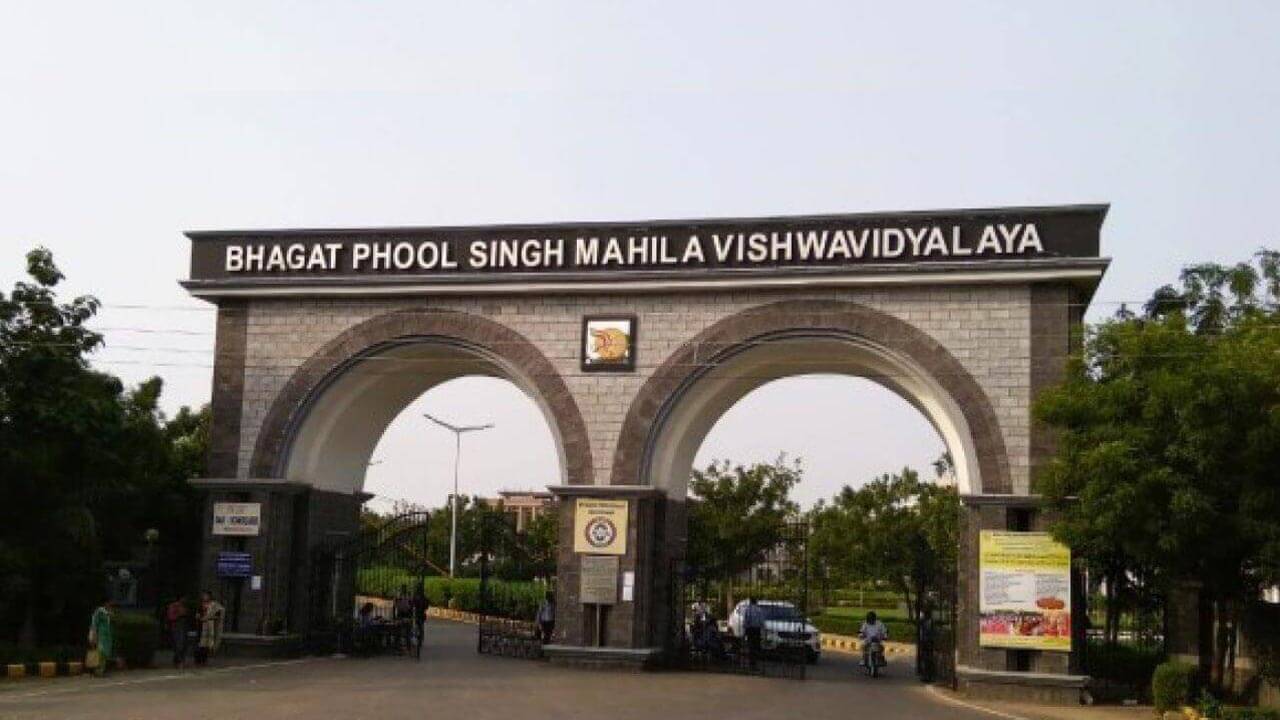
Introduction about Ph.D. in Library & Information Science at Baba Mastnath University
The Doctor of Philosophy (Ph.D.) in Library & Information Science offered by Baba Mastnath University (BMU) is designed for ambitious professionals who aspire to become thought leaders, researchers, and innovators in the rapidly evolving information ecosystem. With a curriculum that blends rigorous theoretical foundations with cutting‑edge practical applications, this program equips scholars to address complex challenges in knowledge management, digital libraries, information policy, and emerging data‑driven services. Whether you aim to shape academic discourse, lead organizational knowledge strategies, or influence national information policies, BMU’s Ph.D. creates a launchpad for a distinguished career.
Eligibility Criteria for Ph.D. in Library & Information Science at Baba Mastnath University
To qualify for admission, candidates must meet the following minimum requirements:
- A Master’s degree in Library Science, Information Science, or a closely related discipline with a minimum of 55% (or equivalent CGPA) from a recognized university.
- Or, a Post‑Graduate Diploma in Library & Information Management (PGD‑LIM) with at least 60% aggregate.
- Valid score in the university‑conducted entrance test (or qualifying national test such as UGC‑NET/JRF).
- For candidates holding a Ph.D. in another discipline, a minimum of 2 years of research experience may be considered.
Entrance Exam for Ph.D. in Library & Information Science at Baba Mastnath University
BMU conducts a comprehensive entrance examination that evaluates candidates on:
- Research aptitude and methodology.
- Core concepts in Library & Information Science.
- Analytical reasoning and academic writing skills.
The exam is administered in both online and offline modes, with separate sections for objective and descriptive questions. Successful candidates may also be shortlisted based on their previous research publications and professional experience.
Fee Structure for Ph.D. in Library & Information Science at Baba Mastnath University
| Component | Amount (INR) | Frequency |
|---|---|---|
| Admission Fee (one‑time) | 15,000 | One‑time |
| Annual Tuition Fee | 85,000 | Per Year |
| Library & Resource Charges | 10,000 | Per Year |
| Research Lab & Fieldwork Support | 12,000 | Per Year |
| Total Approx. Cost (3‑Year Program) | 336,000 | - |
Note: The university offers a range of scholarships and fee waivers for meritorious candidates, which can significantly reduce the overall financial burden.
Admission Process for Ph.D. in Library & Information Science at Baba Mastnath University
- Online Application: Fill out the BMU Ph.D. application form and upload scanned copies of required documents.
- Entrance Examination: Appear for the BMU Ph.D. entrance test as per the scheduled date.
- Interview & Proposal Review: Shortlisted candidates are invited for a personal interview and must submit a detailed research proposal.
- Final Merit List: Admissions are granted based on a combined score of academic record, entrance test, interview, and research proposal.
- Fee Payment & Enrollment: Upon selection, pay the admission fee and complete enrollment formalities.
Ph.D. Subjects and Specializations in Library & Information Science at Baba Mastnath University
The program offers flexibility to tailor your research focus. Core subjects include:
- Advanced Information Retrieval & Search Technologies
- Digital Libraries & Preservation
- Knowledge Management & Organizational Learning
- Information Policy & Ethics
- Data Curation and Big Data Analytics
- Human‑Computer Interaction in Information Services
Students may also pursue interdisciplinary specializations such as Health Informatics, Educational Technology, or Cultural Heritage Management, depending on faculty expertise.
Research Areas in Library & Information Science at Baba Mastnath University
BMU encourages research that addresses real‑world challenges. Key research domains include:
- Artificial Intelligence in Information Retrieval
- Open Access & Scholarly Communication
- Digital Preservation of Indigenous Knowledge
- Information Literacy and Lifelong Learning
- Blockchain for Secure Information Management
- Data Analytics for User Behaviour in Libraries
Scholars can also access Thesis and Dissertation Writing Services to refine their dissertation drafts and ensure academic rigor.
Documents Required for Ph.D. in Library & Information Science at Baba Mastnath University
| Document | Details |
|---|---|
| Academic Transcripts | Certificates & mark sheets of all graduate and postgraduate studies (original + attested copy). |
| Research Proposal | 2‑page synopsis outlining objectives, methodology, and expected contributions. |
| Entrance Exam Scorecard | Official result of BMU entrance test or UGC‑NET/JRF. |
| Curriculum Vitae (CV) | Academic and professional achievements, publications, and conference participations. |
| Identity Proof | Aadhaar card / Passport (valid). |
| Letter of Recommendation | Two academic or professional references. |
Baba Mastnath University Ph.D. Syllabus for Library & Information Science
The syllabus is structured across three years, balancing coursework, comprehensive exams, and dissertation research. A typical breakdown is:
- Year 1: Core Modules – Research Methodology, Advanced Information Retrieval, Digital Library Architecture.
- Year 2: Elective Modules – Data Analytics, Knowledge Management, Information Policy; Comprehensive Viva‑Voce.
- Year 3: Dissertation Development, Publication Workshops, and Final Defense.
To assist with methodological rigor, candidates can rely on Research Data Analysis Services offered by our partner.
Baba Mastnath University Research Methodology for Ph.D. in Library & Information Science
The program emphasizes a mixed‑methods approach, combining qualitative techniques such as ethnographic studies and focus groups with quantitative tools like statistical modeling and machine learning. Workshops on systematic literature review, citation analysis, and research ethics are integral parts of the methodology training.
Highlights of Ph.D. in Library & Information Science at Baba Mastnath University
| Feature | Description |
|---|---|
| Industry‑Linked Projects | Collaboration with leading library consortia and knowledge‑management firms. |
| State‑of‑the‑Art Labs | Access to AI‑driven information retrieval labs and digital preservation studios. |
| Scholarship Opportunities | Merit‑based scholarships covering up to 50% of tuition fees. |
| Publication Support | Guidance for publishing in high‑impact journals with assistance from Research Paper Writing Services. |
| Career Counseling | Dedicated placement cell connecting graduates with academic, corporate, and governmental roles. |
How To Apply for Ph.D. in Library & Information Science at Baba Mastnath University
Follow these simple steps to submit your application:
- Visit the official BMU portal and register using your email address.
- Complete the online application form, uploading all mandatory documents.
- Pay the non‑refundable application fee of INR 1,500 through net banking or UPI.
- Schedule and appear for the entrance examination on the allotted date.
- Submit a concise research proposal (max 2 pages) via the portal before the deadline.
- Track your application status regularly and respond promptly to interview invitations.
Career Scope and Job Opportunities After Ph.D. in Library & Information Science from Baba Mastnath University
Graduates emerge as highly sought‑after experts capable of shaping information ecosystems worldwide. Typical career paths include:
- Senior Librarian / Head of Digital Services at national libraries or university libraries.
- Information Policy Analyst in governmental agencies or NGOs.
- Research Scientist in data‑analytics firms focusing on knowledge extraction.
- Professor or Research Fellow in leading universities and research institutes.
- Chief Knowledge Officer (CKO) or Information Management Consultant in corporates.
- Entrepreneur – launching startup ventures in digital archiving, metadata services, or AI‑enabled search platforms.
For those aiming to publish their findings, Research Publication Support is available throughout the program.
Scholarship for Ph.D. in Library & Information Science at Baba Mastnath University
BMU provides several scholarship schemes to reward academic excellence and research potential:
- Merit Scholarship: 30% tuition waiver for candidates scoring above 85% in the entrance test.
- Research Grant: INR 50,000 per year for fieldwork or data‑acquisition expenses.
- Industry Sponsored Fellowship: Partnerships with corporate sponsors offering stipends and project opportunities.
- Women‑Empowerment Scholarship: Additional financial aid for female scholars.
Applicants can also benefit from <