Introduction:
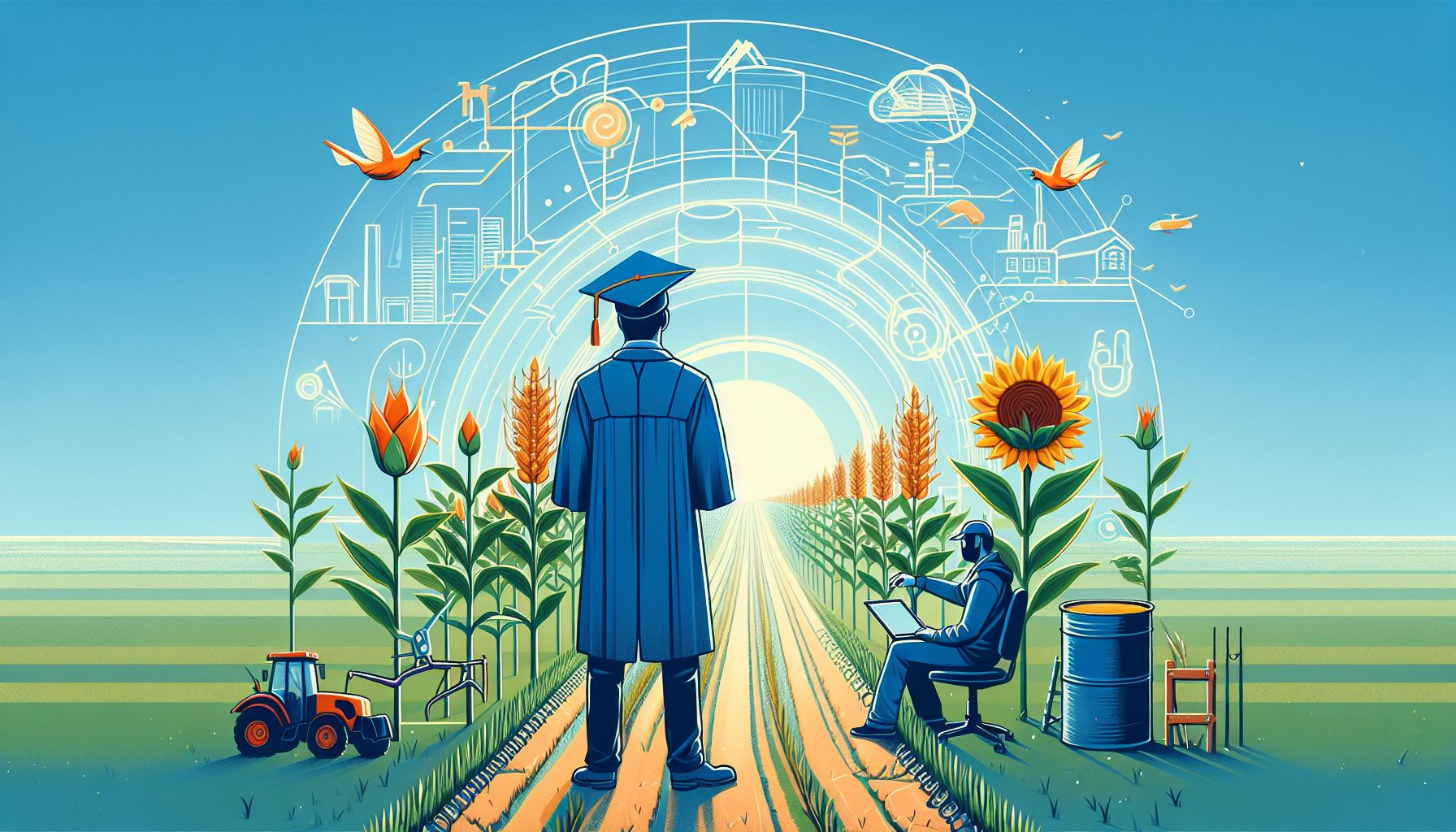
A Ph.D. in Agricultural Engineering is a research-intensive program that equips students with advanced knowledge and expertise in engineering principles applied to agriculture. This doctoral degree typically involves coursework, comprehensive exams, and a significant research project culminating in a dissertation. Candidates explore innovative solutions for sustainable agriculture, focusing on areas like food processing, farm machinery, soil and water conservation, and bio-energy resources. Graduates often pursue careers in academia, research institutions, governmental agencies, or the private sector, contributing to advancements in agricultural technologies and systems.
Admission Process:
The admission process for a Ph.D. in Agricultural Engineering typically involves:
- Eligibility Check: Master’s degree in a relevant field with a minimum percentage or GPA.
- Entrance Exam: Clearing a national or university-level entrance test.
- Application: Submission of an online application along with required documents.
- Interview: Shortlisted candidates are called for an interview.
- Offer Letter: Successful candidates receive an admission offer.
- Enrollment: Acceptance of the offer and completion of enrollment formalities.
Eligibility:
Eligibility criteria for a Ph.D. in Agricultural Engineering typically include:
- Master’s degree in agricultural engineering or related field
- Strong foundation in mathematics and physical sciences
- Research experience or publications in relevant areas
- Proficiency in data analysis and engineering software
- Demonstrated ability to conduct independent research
- Excellent communication skills for academic writing and presentations
- Letters of recommendation from academic or professional references
- Meeting the GPA and test score requirements of the institution
- English language proficiency for non-native speakers
- Relevant professional experience may be advantageous
Completion Time:
The completion time for a Ph.D. in Agricultural Engineering can vary widely but typically ranges from 3 to 5 years. This duration depends on several factors, including the candidate’s research topic complexity, the institution’s program structure, and the individual’s pace of study. The program often starts with coursework followed by comprehensive exams, proposal development, and original research culminating in a dissertation. Full-time students may complete the program more quickly, while part-time students might take longer. Additionally, fieldwork, data collection, and publication requirements can influence the overall timeline.
Career Opportunities:
Career opportunities for Ph.D. holders in Agricultural Engineering include:
- Academic positions as professors or researchers
- Research scientists in government or private sectors
- Agricultural consultants providing expert advice
- Environmental engineers focusing on sustainability
- Project managers in agri-tech companies
- Policy advisors for agricultural regulations
- Entrepreneurs launching agri-based startups
- Technical specialists in precision farming technologies
- Development officers in international organizations
- Extension specialists linking research with farming communities
Syllabus:
The syllabus for a Ph.D. in Agricultural Engineering typically encompasses:
- Advanced Soil and Water Conservation techniques
- Precision Agriculture practices and technologies
- Agricultural Machinery and Equipment design and analysis
- Agricultural Structures and their environmental control
- Post-Harvest Technology for crop preservation and processing
- Irrigation and Drainage Engineering for optimal water resource management
- Remote Sensing and GIS applications in agriculture
- Bioresource Engineering and waste management
- Renewable Energy sources in agriculture
- Research Methodology and statistical analysis for engineering research
Internship Opportunities:
Internship opportunities for Ph.D. students in Agricultural Engineering include:
- Research internships at agri-tech companies
- Fieldwork with sustainable farming initiatives
- Development projects with international agriculture agencies
- Engineering internships at food processing and equipment design firms
- Policy analysis roles with government agricultural departments
- Environmental conservation groups focusing on agricultural impacts
- Academic research assistantships at universities
- Technology innovation labs working on new agricultural solutions
- Non-profit organizations supporting rural and agricultural development
- Corporate internships in agribusiness companies for technology integration
Scholarship and Grants:
Scholarships and grants for a Ph.D. in Agricultural Engineering may include:
- University-specific scholarships based on merit or need
- Government-funded grants for research in agriculture
- Industry-sponsored awards for specific areas of study
- International fellowships for global research collaboration
- Travel grants for attending conferences or field research
- Teaching assistantships providing tuition waivers and stipends
- Research assistantships with funding for specific projects
- Private foundation scholarships for innovative research
- Diversity grants to support underrepresented groups in engineering
- Sustainability grants for research on eco-friendly agricultural practices
FAQs:
What are the research areas in Agricultural Engineering?
- Bioenergy and Bioproducts Engineering
- Food Engineering
- Land, Air, Water Resources and Environmental Engineering
- Agricultural Automation Engineering.
What is the structure of the Ph.D. program?
- The program typically includes coursework, comprehensive exams, research proposal development, and dissertation research. It culminates with a final oral examination defending the dissertation.
How long does it take to complete the Ph.D.?
- It usually takes between 3 to 5 years, depending on the student’s research pace and the program’s structure.
What are the prerequisites for admission?
- A Master’s degree in a related field, research experience, and a strong academic record are essential. Specific programs may have additional requirements like test scores and language proficiency.
What career paths are available after completing a Ph.D. in Agricultural Engineering?
- Graduates can pursue careers in academia, research, government agencies, industry, consulting, or start their own agri-tech ventures.
Are there opportunities for teaching and gaining experience during the Ph.D.?
- Yes, teaching experience is often a vital part of the program and is required for all Ph.D. candidates in some programs.
Can I specialize in a related field during my Ph.D.?
- Some programs offer graduate certificates in related fields like Energy and Sustainability Engineering as part of the Ph.D. studies.
What is the focus of Agricultural Engineering?
- The focus is on enhancing sustainability by applying engineering technologies and methods to agricultural production and processing.
What is the emphasis of the Ph.D. program?
- The emphasis is on the science or research aspects of engineering biological systems, aiming to advance the fundamental knowledge of engineering in agriculture.
Is funding available for Ph.D. students?
- Many institutions offer scholarships, assistantships, and grants to support Ph.D. students through their doctoral studies.








