Introduction:
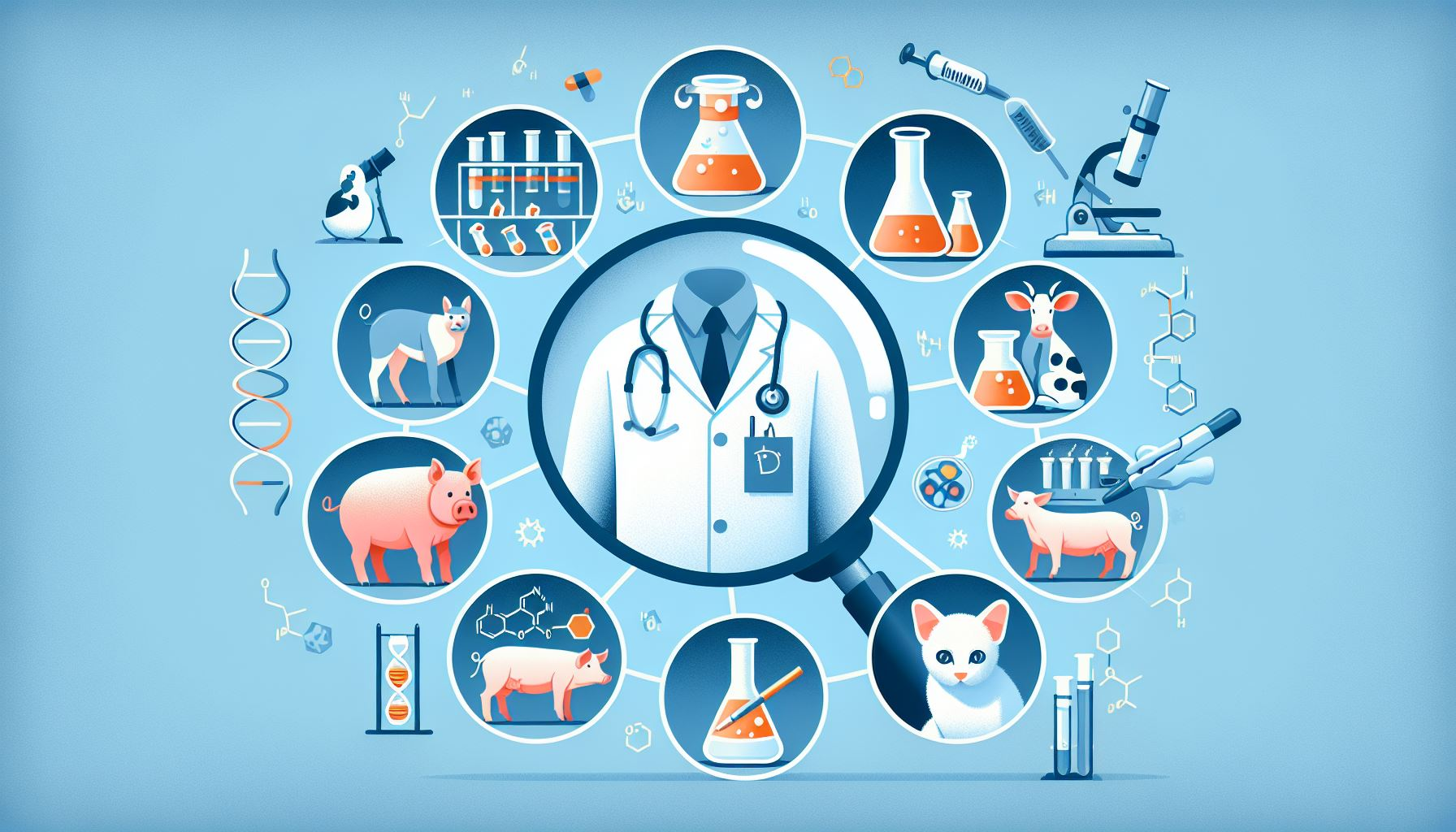
A Ph.D. in Animal Biochemistry is an advanced research degree focusing on the chemical processes and substances within and related to living organisms in the animal kingdom. It typically involves rigorous study of metabolic pathways, enzyme functions, genetic expression, and nutritional biochemistry. Candidates explore how biochemical principles apply to animal health, disease, reproduction, and growth. This doctorate program prepares students for careers in research, academia, or industry, where they can contribute to advancements in veterinary medicine, agriculture, and biotechnology. The curriculum often includes coursework, laboratory experiments, and a dissertation based on original research.
Admission Process:
The admission process for a Ph.D. in Animal Biochemistry typically involves the following steps:
- Submission of Application: Candidates must submit an online application form to their chosen university.
- Entrance Exam: Applicants need to register for and clear relevant entrance exams like GATE, UGC-NET, or CSIR-UGC-NET.
- Interview: Shortlisted candidates are usually called for a personal interview or written test.
- Evaluation: Admission committees assess candidates based on their entrance exam scores, interview performance, and academic credentials.
- Offer Letter: Successful candidates receive an offer letter for enrollment in the Ph.D. program.
Eligibility:
Eligibility criteria for a Ph.D. in Animal Biochemistry generally include:
- Master’s Degree: A postgraduate degree in Biochemistry, Biotechnology, Microbiology, or a related field.
- Minimum Marks: At least 55% aggregate or equivalent CGPA.
- Entrance Exams: Qualifying scores in relevant entrance exams like GATE, UGC-NET, or CSIR-UGC-NET.
- Interview: Success in any subsequent interviews or written tests.
- Research Proposal: Submission of a research proposal may be required by some institutions.
- Additional Requirements: Some programs may have extra criteria such as relevant work experience or publications.
Completion Time:
The completion time for a Ph.D. in Animal Biochemistry typically ranges from four to six years. The initial phase often includes comprehensive coursework, followed by extensive research leading to a dissertation. The first year may cover foundational subjects like biochemistry, with subsequent years dedicated to independent study and research. Students must complete a certain number of credit hours and their research work, culminating in a doctoral thesis.
Career Opportunities:
Holding a Ph.D. in Animal Biochemistry opens up a diverse range of career opportunities:
- Research Scientist: Conducting research in academia, industry, or government labs.
- Academic Faculty: Teaching and guiding research at universities.
- Biotechnology Firms: Developing new products and technologies.
- Pharmaceutical Companies: Drug discovery and development.
- Agricultural Agencies: Improving animal nutrition and health.
- Veterinary Medicine: Advancing animal healthcare.
- Food Industry: Ensuring quality and safety of animal-derived products.
- Environmental Conservation: Studying the impact of animals on ecosystems.
- Scientific Writing and Communication: Translating complex research for various audiences.
Syllabus:
The Ph.D. in Animal Biochemistry syllabus typically includes:
- Research Methodology: Study of research ethics, hypothesis formulation, and scientific writing.
- Biostatistics: Data collection, representation, and statistical tests like ANOVA and chi-square.
- Computer Applications: Understanding computer hardware, software, and applications in biology.
- Bioethics and Patenting: Ethics in animal experimentation and understanding of patenting processes.
- Bioinformatics: Learning about biological databases, sequence alignment, and protein structure analysis.
Internship Opportunities:
Internship opportunities for Ph.D. students in Animal Biochemistry include:
- Research Institutes: Engaging in research projects at institutes like the National Dairy Research Institute.
- Online Programs: Participating in virtual internships with organizations offering pre-industrial experience.
- Laboratory Work: Gaining hands-on experience in labs focusing on animal health, nutrition, and disease.
- Government Labs: Working on public sector research related to animal biochemistry.
- Industry Placements: Interning with biotech firms, pharmaceutical companies, or food industries.
- Academic Collaborations: Joining research groups at universities for interdisciplinary studies.
Scholarship and Grants:
Scholarships and grants for a Ph.D. in Animal Biochemistry may include:
- Fully Funded Scholarships: Covering tuition, stipends, and research costs.
- Government Grants: Provided by national research councils or education departments.
- University Fellowships: Awarded based on academic merit or research potential.
- Industry Sponsorships: From companies interested in animal biochemistry research.
- International Funding: For global students, often through partnerships between institutions.
- Research Assistantships: Offering financial support in exchange for research contributions.
FAQs:
1. What is the focus of a Ph.D. in Animal Biochemistry?
The program focuses on the study of chemical processes within animals, including metabolism, genetics, and nutrition.
2. Who is eligible for this program?
Candidates with a Master’s degree in a related field and meeting the minimum academic and entrance exam requirements are eligible.
3. How long does it take to complete the Ph.D.?
It typically takes four to six years, including coursework and dissertation research.
4. What career paths are available after completing the Ph.D.?
Graduates can pursue careers in research, academia, biotechnology, pharmaceuticals, and more.
5. Is funding available for Ph.D. students?
Yes, there are scholarships, grants, and fellowships available to support Ph.D. candidates.
6. Can I work while pursuing my Ph.D.?
Many programs offer research assistantships that allow students to work while studying.
7. What kind of research projects can I work on?
Research can range from animal health and disease to biotechnological applications and nutrition.
8. Are there opportunities for internships during the Ph.D. program?
Yes, internships in research institutes, labs, and industry are often part of the program.








