Introduction:
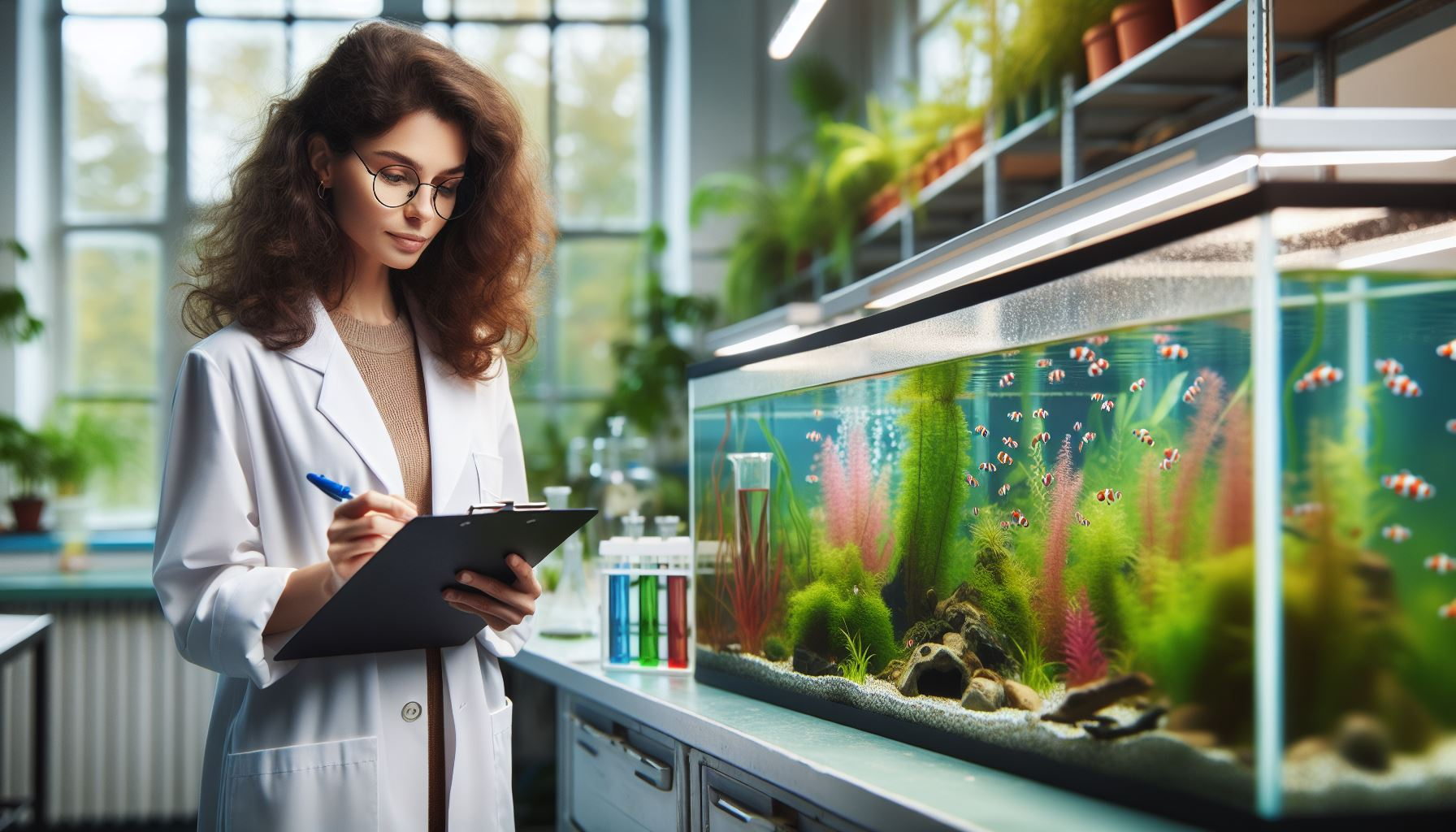
A Ph.D. in Aquatic Biology and Fisheries is an advanced research degree focusing on the study of aquatic organisms, their environments, and human interactions with these systems. It prepares students to conduct original research, contributing to our understanding of aquatic ecosystems and the sustainable management of fisheries resources. Candidates learn advanced research methodologies, data analysis, and may specialize in areas such as ecology, environmental physiology, resource economics, or marine governance. This program is ideal for those aiming to become experts in aquatic sciences and pursue careers in academia, industry, or conservation.
Admission Process:
The admission process for a Ph.D. in Aquatic Biology and Fisheries typically involves the following steps:
- Application Submission: Candidates must submit a completed application by the specified deadline.
- Eligibility Check: Applicants should have a Master’s degree with a minimum of 55% marks or equivalent.
- Entrance Exam: An entrance examination may be required, depending on the institution.
- Interview: Shortlisted candidates are usually called for an interview with the department faculty.
- Admission Offer: Successful candidates receive an admission offer, which they must accept within the given timeframe.
- Enrollment: Upon acceptance, candidates must enroll and pay any applicable fees to secure their place.
Eligibility:
Eligibility criteria for a Ph.D. in Aquatic Biology and Fisheries generally include:
- Master’s Degree: A Master’s degree or a professional degree equivalent to a Master’s degree with a minimum of 55% marks or an equivalent grade.
- Relevant Field: The degree should be in a relevant field such as Marine Biology, Zoology, Botany, Biochemistry, Biotechnology, Fisheries, or Life Science.
- Grading Scale: A grade ‘B’ in the UGC 7-point scale or an equivalent grade in a point scale wherever grading system is followed.
- Research Proposal: Submission of a research proposal may be required, detailing the intended area of study.
- Entrance Exam: Some institutions may require candidates to clear an entrance examination.
Completion Time:
The completion time for a Ph.D. in Aquatic Biology and Fisheries typically ranges from 3 to 5 years. This duration can vary based on the institution, the country’s educational system, and the student’s research progress. The program usually includes coursework, comprehensive exams, and a significant amount of original research leading to a dissertation. Students with a Master’s degree in a relevant field may complete the program in the shorter end of the range, while those undertaking extensive fieldwork or complex experiments may require more time.
Career Opportunities:
Ph.D. graduates in Aquatic Biology and Fisheries have a range of career paths:
- Academic Research: Conducting postdoctoral studies or securing faculty positions at universities.
- Government Agencies: Working with environmental protection agencies or fishery departments.
- Conservation: Leading initiatives in wildlife conservation organizations.
- Industry: Joining biotech firms or pharmaceutical companies that focus on marine products.
- Consultancy: Providing expertise to firms on sustainable fishing practices and aquatic ecosystem management.
- Science Communication: Writing or editing for scientific publications or media outlets.
Syllabus:
The syllabus for a Ph.D. in Aquatic Biology and Fisheries typically includes:
- Research Methodology: Understanding research types, process, design, and proposal development.
- Data Collection and Analysis: Learning scientific investigation methods, data sampling, processing, and statistical analysis using software like SPSS, PRIMER, and 'R’.
- Thesis Writing: Training in writing research papers, thesis formatting, proofreading, editing, and understanding the publication process.
- Specialized Courses: Tailored to each scholar’s research topic, covering advanced topics in aquatic biology and fisheries.
- Ethics: Overview of research ethics and relevant rules and procedures.
Internship Opportunities:
Internship opportunities for Ph.D. students in Aquatic Biology and Fisheries may include:
- Research Internships: Engaging in hands-on research at universities or marine institutes.
- Government Programs: Participating in internships offered by governmental agencies related to fisheries and ocean sciences.
- Industry Placements: Gaining experience in biotech firms or companies focused on marine products.
- Conservation Projects: Working with wildlife conservation organizations on aquatic ecosystem preservation.
- International Collaborations: Opportunities to work with international research teams through university partnerships.
- NOAA Fisheries: Interning with NOAA Fisheries science centers and regional offices.
Scholarship and Grants:
Scholarships and grants for a Ph.D. in Aquatic Biology and Fisheries may include:
- University Scholarships: Offered by academic institutions based on merit or need.
- Research Grants: Funding from government agencies for specific research projects.
- Fellowships: Competitive awards for promising research in aquatic sciences.
- International Scholarships: For students from abroad to promote global research collaboration.
- Private Foundations: Grants from organizations supporting marine conservation and education.
- Industry Sponsorships: From companies invested in fisheries and aquatic resource management.
FAQs:
1. What is the focus of a Ph.D. in Aquatic Biology and Fisheries?
The program focuses on advanced research in aquatic ecosystems, organism biology, and sustainable fisheries management.
2. Who is eligible for this Ph.D. program?
Candidates with a Master’s degree in a relevant field and a strong academic record are eligible.
3. How long does it take to complete the Ph.D.?
Typically, it takes 3 to 5 years to complete, depending on the research scope and progress.
4. What career opportunities are available after completing the Ph.D.?
Graduates can pursue careers in academia, research, government agencies, conservation, industry, and science communication.
5. Does the program include coursework?
Yes, coursework is usually part of the program, focusing on research methodologies and specialized topics related to the student’s research.
6. Are there internship opportunities during the Ph.D.?
Yes, internships may be available at universities, research institutes, government programs, and industry placements.
7. Is funding available for Ph.D. students?
Scholarships, grants, and fellowships are often available to support Ph.D. students financially.
8. Can international students apply for this Ph.D. program?
Yes, many institutions welcome international applicants and may offer specific scholarships for them.
9. What is the admission process for the Ph.D. program?
The process typically includes application submission, eligibility check, entrance exam, interview, and enrollment.
10. Is a research proposal required for admission?
Yes, a well-formulated research proposal is usually a crucial part of the application.








