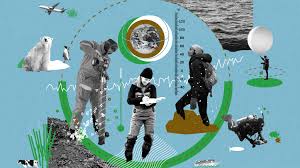
Introduction:
Embark on a journey to understand one of the most pressing issues of our time with a Ph.D. in Climatology. This interdisciplinary field delves into the intricate workings of Earth's climate system, exploring the complex interactions between the atmosphere, oceans, land surfaces, and ice masses. As climate change continues to shape our planet, there's never been a more critical time to advance our understanding of climatology through rigorous research and analysis.
Admission Process:
- Submit an online application including academic transcripts, letters of recommendation, and a statement of purpose.
- Possess a master's degree or equivalent in climatology, atmospheric science, environmental science, or a related field.
- Demonstrate proficiency in quantitative methods, data analysis, and research methodologies.
- Participate in interviews or entrance exams to assess research interests and academic fit.
Eligibility:
- A master's degree or equivalent in climatology, atmospheric science, environmental science, geography, or a related field.
- Strong academic background with coursework in mathematics, physics, and earth sciences.
- Demonstrated research experience or interest in climatology and environmental issues.
- Fulfillment of any additional requirements specified by the institution.
Completion Time:
Completing a Ph.D. in Climatology is a rigorous yet rewarding endeavor that typically spans four to six years of dedicated full-time study. This doctoral program immerses students in the multidisciplinary field of climatology, delving into the complex interactions between the atmosphere, oceans, land surfaces, and biosphere that shape Earth's climate system.
Career Opportunities:
- Research scientist or climatologist at universities, research institutes, government agencies, or non-profit organizations.
- Climate analyst or consultant for environmental consulting firms, energy companies, or policy think tanks.
- Faculty position at academic institutions, teaching and mentoring future generations of climatologists.
- Opportunities in meteorology, environmental policy, renewable energy, and climate modeling.
Syllabus:
- Advanced coursework in atmospheric dynamics, climate modeling, statistical climatology, and environmental data analysis.
- Seminars on topics such as paleoclimatology, climate change impacts, and climate policy.
- Independent research leading to a doctoral dissertation focused on a specific aspect of climatology.
Internship Opportunities:
- Internship placements with research labs, government agencies, or environmental organizations working on climate-related projects.
- Fieldwork opportunities to collect data, conduct experiments, or participate in climate research expeditions.
Scholarship and Grants:
- Institutional scholarships, research grants, and teaching assistantships available based on academic merit and research potential.
- Funding opportunities from government agencies, foundations, and private organizations supporting climate research and environmental science.
FAQs:
Can I apply with a bachelor's degree in a related field?
Typically, a master's degree in climatology, atmospheric science, or a related field is required for admission to a Ph.D. program.
Are there opportunities for international research during the program?
Many programs offer opportunities for students to collaborate with international researchers, participate in fieldwork abroad, or attend conferences and workshops globally.
What types of research topics can I pursue in climatology?
Research topics may include climate modeling, extreme weather events, climate change impacts on ecosystems, atmospheric chemistry, or policy analysis related to climate mitigation and adaptation.








