Introduction:
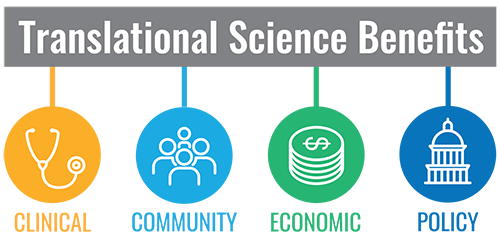
Clinical Translational Science is an innovative field that bridges the gap between laboratory research and patient care, ensuring that scientific discoveries translate into tangible healthcare benefits. A Ph.D. in Clinical Translational Science equips researchers with the skills to navigate this critical pathway, fostering advancements in medical treatments and technologies.
Admission Process:
- Application Submission: Candidates must submit a detailed application, including personal statements, research proposals, and references.
- Prerequisite Coursework: Applicants should have completed relevant undergraduate and, if applicable, master’s degree courses.
- Interviews: Shortlisted candidates are typically invited for interviews to discuss their research interests and career goals.
- Funding Consideration: Many programs require applicants to apply for fellowships or grants alongside their Ph.D. applications.
Eligibility:
- Educational Background: A strong foundation in life sciences or a related field.
- Research Experience: Prior research experience, preferably in a clinical or translational setting.
- Academic Achievement: A track record of academic excellence, including publications, if applicable.
- Professional Goals: A clear vision of how the Ph.D. will contribute to the candidate’s career trajectory.
- Technical Skills: Proficiency in relevant laboratory or data analysis techniques.
Completion Time:
The average time to complete a Ph.D. in Clinical Translational Science is approximately 4 to 5 years. This timeframe allows for coursework, comprehensive exams, research, and dissertation writing.
Career Opportunities:
- Academic Research: Leading independent research projects at universities or research institutions.
- Biotechnology and Pharmaceutical Industries: Developing new therapies and medical devices.
- Healthcare Policy: Influencing public health decisions based on translational research findings.
- Clinical Trials Management: Overseeing the design and implementation of clinical trials.
- Consultancy: Advising on the commercialization of biomedical discoveries.
Syllabus:
- Core Coursework: Foundational courses in biostatistics, epidemiology, and bioinformatics.
- Elective Specialization: Advanced courses tailored to the student’s research focus.
- Research Methodology: Training in designing and conducting translational research.
- Ethics and Regulatory Affairs: Understanding the ethical and legal aspects of clinical research.
Internship Opportunities:
- Clinical Research Organizations: Gaining practical experience in managing clinical trials.
- Academic Medical Centers: Participating in cutting-edge research projects alongside experienced investigators.
- Industry Placements: Interning with biotech or pharmaceutical companies to learn about drug development processes.
Scholarships and Grants:
- Institutional Fellowships: Many universities offer fellowships that cover tuition and provide a stipend.
- External Funding: Opportunities to apply for grants from organizations such as the National Institutes of Health (NIH).
- Travel Awards: Financial support for presenting research at conferences and symposia.
FAQs:
What distinguishes Clinical Translational Science from other biomedical Ph.D. programs?
Clinical Translational Science is uniquely focused on translating research into clinical applications.
Can I work while pursuing my Ph.D.?
Many programs offer flexible schedules to accommodate part-time work, especially in related fields.
What are the prospects for international students?
International students are often welcomed, with additional support for navigating visa and funding processes.








