Introduction:
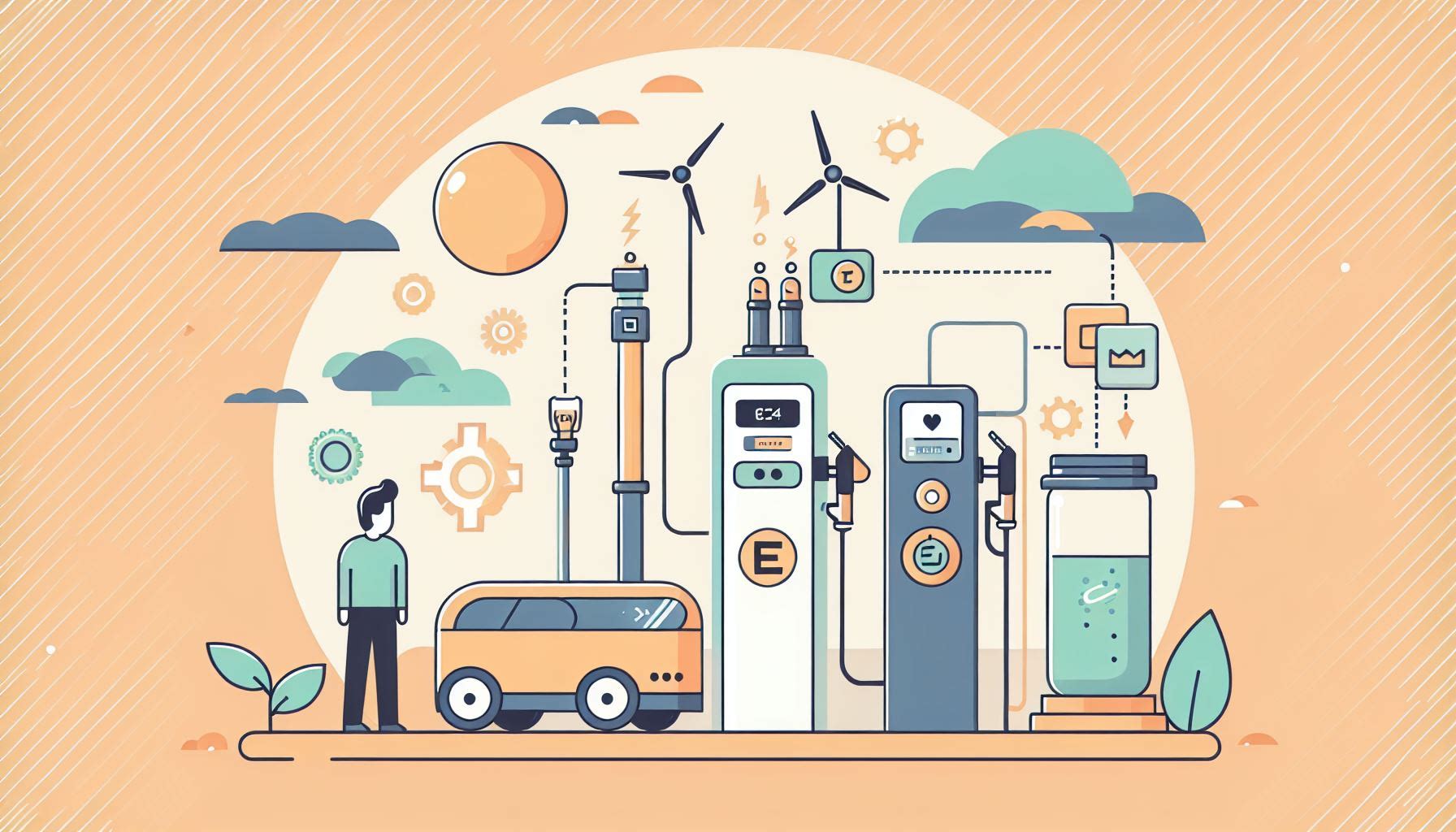
A Ph.D. in Fuel Cells is an advanced research degree focusing on the development and innovation of fuel cell technology, which converts chemical energy from fuels into electricity through electrochemical reactions. This field encompasses various disciplines, including chemistry, materials science, and engineering. Researchers delve into the design, optimization, and application of fuel cells, aiming to enhance efficiency, durability, and cost-effectiveness. The ultimate goal is to contribute to sustainable energy solutions and reduce reliance on fossil fuels, addressing global energy challenges and environmental concerns.
Admission Process:
- Eligibility: Master’s degree in a relevant field (e.g., Engineering, Science).
- Application: Submission through the university’s website.
- Documents: Academic transcripts, letters of recommendation, statement of purpose.
- Test Scores: Standardized test scores if required.
- Review Process: Evaluation of academic record and research potential.
- Interview: Possible interview to assess suitability for the program.
- Acceptance: Based on merit and alignment with the department’s research areas.
- Enrollment: Fulfillment of any additional university-specific requirements before enrollment.
Eligibility:
To be eligible for a Ph.D. in Fuel Cells, applicants should meet the following criteria:
- Master’s Degree: Possess a Master’s degree in a relevant field such as chemistry, materials science, mechanical engineering, or electrical engineering.
- Academic Excellence: Have a strong academic record with a focus on subjects pertinent to fuel cell technology.
- Research Experience: Prior research experience or publications can be advantageous.
- Relevant Skills: Proficiency in laboratory techniques, data analysis, and familiarity with electrochemical systems.
- Language Proficiency: Fluency in English or the language of instruction at the institution offering the program.
Completion Time:
The completion time for a Ph.D. in Fuel Cells typically spans four years. This duration is designed to encompass coursework, comprehensive examinations, research proposal development, and the doctoral dissertation. The program involves an integrated study with a multidisciplinary approach, allowing students to specialize in areas such as polymer electrolyte membrane fuel cells, solid oxide fuel cells, hydrogen production, and storage. The four-year timeline provides ample opportunity for in-depth research, innovation, and contribution to the field of sustainable energy through fuel cell technology.
Career Opportunities:
Career opportunities for Ph.D. graduates in Fuel Cells are diverse and promising:
- Research & Development: Positions in academic, government, or industrial laboratories.
- Engineering: Roles in design, optimization, and manufacturing of fuel cell systems.
- Project Management: Leading teams in fuel cell technology projects.
- Consultancy: Advising on energy solutions and sustainability.
- Teaching: Academic positions at universities and colleges.
- Policy Making: Contributing to the development of energy policies.
- Entrepreneurship: Starting ventures in the sustainable energy sector.
- Technical Writing: Authoring scientific papers, reports, and grants.
Syllabus:
The Ph.D. in Fuel Cells syllabus typically includes:
- Advanced Electrochemistry: In-depth study of electrochemical principles.
- Materials Science: Exploration of materials used in fuel cell construction.
- Mechanical Engineering: Design and mechanics of fuel cell systems.
- Electrical Engineering: Electrical aspects of fuel cells and energy conversion.
- Fuel Cell Types: Detailed analysis of different fuel cell technologies.
- Sustainability: Environmental impact and sustainability of fuel cell applications.
- Research Methodology: Techniques for conducting scientific research.
- Thesis Writing: Skills for composing a doctoral dissertation.
- Publication: Training on publishing research findings in academic journals.
Internship Opportunities:
Internship opportunities for Ph.D. students in Fuel Cells include:
- University Research: Engage in cutting-edge research projects within university laboratories.
- Industry Collaboration: Work with companies specializing in fuel cell technology.
- Government Programs: Participate in internships offered by departments like the Department of Energy.
- International Fellowships: Apply for global research fellowships in fuel cell innovation.
- Conferences and Workshops: Attend industry events to network and learn.
- Non-Profit Organizations: Contribute to sustainability projects with environmental groups.
- Technical Writing: Assist in writing research papers and technical documentation.
- Engineering Internships: Gain practical experience in fuel cell system design and testing.
Scholarship and Grants:
Scholarships and grants for a Ph.D. in Fuel Cells may include:
- Studentships: Funded positions focusing on specific research projects.
- Government Grants: Support from departments like the Department of Energy.
- University Scholarships: Awards based on merit or research proposals.
- Industry Sponsorships: Funding from companies invested in fuel cell technology.
- International Fellowships: Opportunities for global research collaboration.
- Research Councils: Grants for innovative energy projects.
- Non-Profit Organizations: Financial aid from environmental groups.
- Trust Funds: Scholarships from trusts supporting scientific education.
FAQs:
What is a Ph.D. in Fuel Cells?
A Ph.D. in Fuel Cells is a research-intensive program focused on the study and development of fuel cell technology, which includes electrochemical conversion processes, materials science, and applications in sustainable energy.
Who is eligible to apply?
Candidates with a Master’s degree in a relevant field such as engineering, chemistry, or materials science are typically eligible. Strong academic records and research experience are advantageous.
What does the program entail?
The program involves coursework, research, and a dissertation. Students will engage in advanced studies of electrochemistry, materials, and engineering related to fuel cells.
How long does it take to complete?
The program usually takes four years to complete, which includes time for research and writing a doctoral thesis.
What career opportunities are available after graduation?
Graduates can pursue careers in academia, research and development, industry, policy making, and more, focusing on energy solutions and sustainability.
Are there opportunities for internships during the program?
Yes, students may have opportunities for internships in university labs, industry, government programs, and international fellowships.
Is funding available?
Funding may be available through studentships, government grants, university scholarships, industry sponsorships, and other sources.
Can I work while studying?
This depends on the program’s structure and the individual’s capacity to manage both commitments. Some programs may offer part-time options or flexibility for working professionals.
What skills will I gain?
You will gain expertise in fuel cell technology, research methodologies, data analysis, problem-solving, and technical communication.
How can I apply?
Applications are typically submitted online through the university’s admission portal, accompanied by required documents and a research proposal.








