Introduction
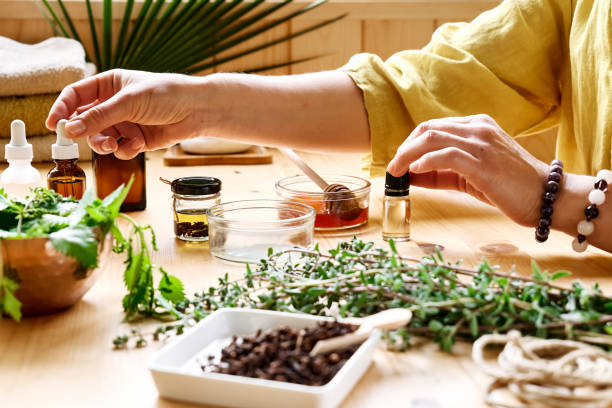
The Ph.D. in Phytopharmacy & Phytomedicine is an innovative doctoral program that immerses students in the study of medicinal plants and natural remedies. This program typically spans three years and is designed for individuals with a strong foundation in pharmacy or related sciences.
Candidates will explore the rich diversity of plant-based medicines, their extraction, and pharmacological applications. The curriculum integrates traditional knowledge with cutting-edge research to discover new drug molecules and therapeutic strategies from natural sources. Students will learn advanced analytical techniques and bioassays, essential for the development and validation of phytopharmaceuticals.
Admission process:
- Research Program Overview: Begin by understanding the focus areas and expectations of the Ph.D. program.
- Eligibility Check: Ensure you meet the academic and professional experience prerequisites.
- Application Form: Complete the online application form, providing detailed personal and educational information.
- Supporting Documents: Submit your academic transcripts, CV, and a statement of purpose outlining your research interests.
- Research Proposal: Develop a preliminary research proposal in the field of phytopharmacy or phytomedicine.
- Letters of Recommendation: Obtain and submit at least three letters of recommendation from academic or professional referees.
- English Proficiency Test: For non-native speakers, provide proof of proficiency in English.
- Interview: Be prepared for an interview to discuss your interests and qualifications with faculty members.
- Application Review: The admissions committee will review all applications and make decisions based on the program's fit and candidate's potential.
- Acceptance: Await notification of admission, which may include details about assistantships or fellowships
Eligibility:
- Academic Requirements: A master's degree in pharmacology, botany, biochemistry, or a related field.
- Research Experience: Prior research experience, especially in a laboratory setting or fieldwork related to medicinal plants.
- Academic Merit: A strong academic record, typically evidenced by a high GPA in relevant coursework.
- Language Proficiency: Fluency in English, often certified by standardized tests like TOEFL or IELTS.
- Personal Statement: A compelling personal statement that articulates your research interests and goals in phytomedicine.
- Technical Skills: Knowledge of laboratory techniques, statistical analysis, and phytochemical analysis is advantageous.
- Publications: Previous publications in related fields can strengthen an application.
- Professional License: If applicable, a professional license in a health-related field.
Completion Time:
The Ph.D. in Phytopharmacy & Phytomedicine is a pioneering program that focuses on the study of natural medicines derived from plants. This doctoral program typically spans a duration of three years, which is the standard completion time for full-time students. The program is designed for individuals with a strong background in pharmacy, particularly those holding a Master’s degree in Pharmacy (M. Pharm) or a related field.
Career Opportunities:
- Academic Researcher: Contribute to scientific knowledge by conducting research in universities or research institutions.
- Pharmaceutical Industry Scientist: Develop new drugs and natural health products for pharmaceutical companies.
- Clinical Trial Manager: Oversee clinical trials that test the efficacy and safety of phytopharmaceuticals.
- Regulatory Affairs Specialist: Ensure compliance with regulations for natural medicines and supplements.
- Natural Product Entrepreneur: Start a business focused on the development and sale of phytopharmaceuticals.
- Consultant: Provide expert advice on the use and regulation of medicinal plants and natural remedies.
- Policy Advisor: Influence health policy related to natural medicines and integrative health practices.
- Educator: Teach the next generation of phytopharmacists and phytomedicine experts at higher education institutions.
- Herbalist: Apply traditional and scientific knowledge to recommend and dispense medicinal plants.
- Quality Control Analyst: Monitor the quality and consistency of natural medicine products.
Syllabus:
- Advanced Phytochemistry: The study of chemicals derived from plants.
- Pharmacognosy: Understanding medicinal properties of natural substances.
- Clinical Phytomedicine: Examining the use of plant-based medicines in clinical settings.
- Ethnopharmacology: The cultural aspects and traditional knowledge of medicinal plants.
- Herbal Therapeutics: In-depth analysis of herbal medicines and their therapeutic applications.
- Plant Biotechnology: Techniques for the cultivation and genetic modification of medicinal plants.
- Research Methodology: Training in qualitative and quantitative research methods.
- Dissertation: Original research contributing significant knowledge to the field.
Internship Opportunities:
- Working with pharmaceutical companies on drug discovery.
- Participating in clinical trials for herbal medicines.
- Engaging in community outreach programs on medicinal plant use.
- Collaborating with botanical gardens or herbaria on plant research.
- Assisting in academic or private research labs focused on phytochemical analysis.
Scholarship and Grants:
- University scholarships based on academic merit or research potential.
- Grants from scientific societies or foundations supporting plant medicine research.
- Government-funded fellowships for advanced research in the natural sciences.
- Teaching assistantships providing tuition waivers and stipends.
- Research assistantships tied to specific faculty research projects.
FAQS:
Q: What is the typical duration of the Ph.D. program?
The program usually takes three years to complete for full-time students, provided they meet all the requirements within this timeframe.
Q: Is it possible to complete the program part-time?
While most students enroll full-time, some institutions may offer part-time options. The completion time for part-time students will be longer, and candidates should check with the specific institution for details.
Q: Are there any prerequisites for enrollment?
Candidates typically need to have a Master’s degree in Pharmacy (M. Pharm) or a related field to be eligible for the program.
Q: Can the completion time vary?
Yes, the duration may vary depending on the research topic’s complexity, the pace of study, and the institution’s specific requirements.
Q: What happens if I cannot complete my research within three years?
Extensions may be granted under certain circumstances, but this is at the discretion of the institution and often involves additional fees.
Q: Is the program structured or research-based?
The Ph.D. in Phytopharmacy & Phytomedicine is primarily research-based, with candidates focusing on their thesis after any required coursework is completed.
Q: What kind of support can I expect during my Ph.D.?
Students typically receive guidance from a supervisor and may have access to seminars, workshops, and other resources to aid their research.








