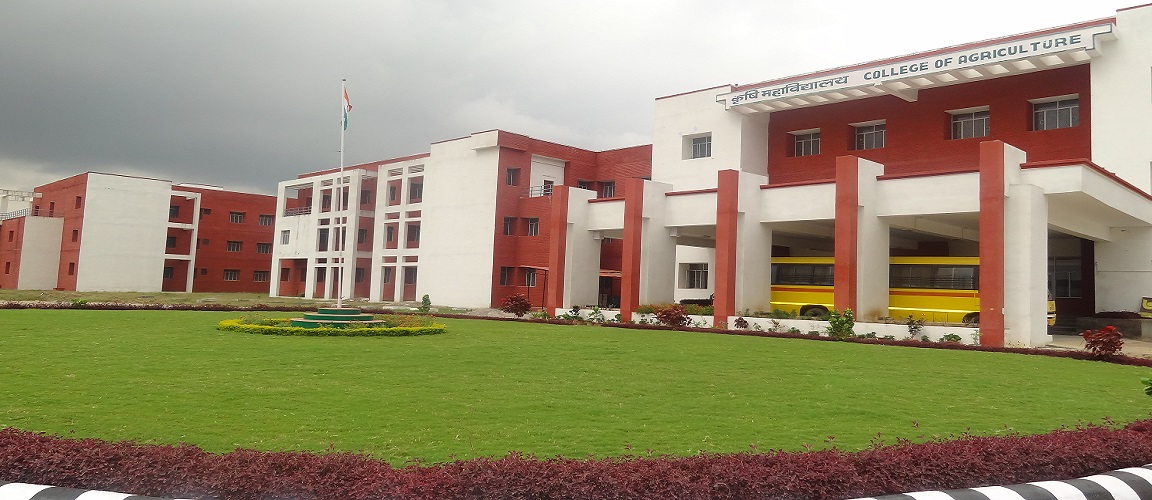
Introduction about Ph.D. in Agriculture Chemistry at Banda University
The Ph.D. in Agriculture Chemistry offered by Banda University stands as a beacon for researchers aiming to transform agricultural productivity through scientific innovation. Designed for professionals with a strong foundation in chemistry, agronomy, or related life‑science disciplines, this doctoral program blends rigorous coursework, cutting‑edge laboratory work, and field‑oriented research. Graduates emerge as thought leaders capable of addressing global challenges such as soil degradation, nutrient management, and sustainable food systems.
Eligibility Criteria for Ph.D. in Agriculture Chemistry at Banda University
Prospective candidates must satisfy the following minimum requirements:
- A master’s degree (M.Sc., M.Tech., or equivalent) in Agriculture Chemistry, Food Science, Biochemistry, or a closely related field with a minimum CGPA of 6.5/10 (or 70%).
- Valid GATE/ICAR or University‑conducted entrance test score, unless exempted based on research experience.
- Proficiency in English (minimum IELTS 6.0 or TOEFL 80) for international applicants.
- Strong analytical and research skills demonstrated through publications, conference presentations, or industrial projects.
Entrance Exam for Ph.D. in Agriculture Chemistry at Banda University
The entrance assessment consists of two stages:
- Written Test: Objective questions covering General Chemistry, Organic Chemistry, Soil Chemistry, Plant Nutrition, and Research Methodology. Duration – 2 hours.
- Interview & Presentation: Candidates present a research proposal, discuss past work, and answer domain‑specific queries evaluated by a panel of senior faculty.
Preparation tips include reviewing recent publications from the university’s Agriculture Chemistry department, practicing quantitative problem‑solving, and staying updated on emerging agronomic technologies.
Fee Structure for Ph.D. in Agriculture Chemistry at Banda University
| Fee Component | Annual Cost (INR) | Notes |
|---|---|---|
| Tuition Fee | ₹ 45,000 | Applicable for Indian residents; NRI fee is 1.5×. |
| Lab & Facility Charges | ₹ 12,000 | Covers consumables and instrument usage. |
| Library & Digital Resources | ₹ 4,000 | Access to e‑journals, databases, and inter‑library loans. |
| Annual Examination Fee | ₹ 3,500 | Includes assessment and evaluation services. |
| Miscellaneous (Sports, Health, etc.) | ₹ 2,500 | Optional but recommended for holistic development. |
| Total Approx. | ₹ 67,000 |
Admission Process for Ph.D. in Agriculture Chemistry at Banda University
The streamlined admission workflow ensures transparency and efficiency:
- Online Application: Submit the digital form through the university portal along with scanned copies of academic certificates.
- Upload Supporting Documents: Include Statement of Purpose, research proposal, and recommendation letters.
- Entrance Examination: Appear for the written test and subsequent interview.
- Result Declaration: Merit list released on the official website; shortlisted candidates are invited for a campus visit.
- Final Offer & Fee Payment: Accept the admission letter, pay the first-year fee, and complete enrollment formalities.
Ph.D. Subjects and Specializations in Agriculture Chemistry at Banda University
Students can tailor their doctoral research across the following specializations:
- Soil Fertility and Nutrient Dynamics
- Plant‑Microbe Interactions
- Crop Residue Management
- Environmental Impact of Agro‑chemicals
- Precision Farming & Remote Sensing in Chemistry
- Biochemical Engineering of Bio‑fertilizers
Research Areas in Agriculture Chemistry at Banda University
The university’s state‑of‑the‑art laboratories and collaborative farms support research in:
- Nanotechnology‑enhanced nutrient delivery systems.
- Carbon sequestration through soil amendment strategies.
- Metabolomic profiling of stress‑tolerant crop varieties.
- Green synthesis of agro‑chemicals from agricultural waste.
- AI‑driven predictive modeling for fertilizer optimization.
Documents Required for Ph.D. in Agriculture Chemistry at Banda University
| Document | Format | Remarks |
|---|---|---|
| Academic Transcripts (10‑10+2, B.Sc., M.Sc.) | PDF, scanned copy | Attested by issuing university. |
| Research Proposal (2‑3 pages) | DOCX or PDF | Must align with department’s research themes. |
| Letter of Recommendation (2) | From academic supervisors or industry mentors. | |
| Proof of English Proficiency | IELTS/TOEFL score report. | |
| Passport Size Photograph | JPEG (300 × 300 px) | White background. |
Banda University Ph.D. Syllabus for Agriculture Chemistry
The syllabus is structured into core modules, electives, and research milestones:
- Core Modules (Year 1): Advanced Organic Chemistry, Soil Chemistry & Physics, Plant Nutrient Metabolism, Research Methodology & Statistics.
- Electives (Year 2‑3): Agro‑ecotoxicology, Biopesticide Development, Crop Residue Valorization, Sustainable Fertilizer Technologies.
- Research Milestones: Literature Review, Experimental Design, Data Analysis, Thesis Writing, Publication in peer‑reviewed journals.
How To Apply for Ph.D. in Agriculture Chemistry at Banda University
Follow this step‑by‑step guide to secure your spot:
- Visit the official Banda University admissions portal and create a user account.
- Complete the online application form, ensuring accuracy in personal and academic details.
- Upload the required documents (see the “Documents Required” table).
- Pay the non‑refundable application fee of ₹ 1,500 via net banking or credit card.
- Submit the form and note the application reference number for future correspondence.
- Prepare for the entrance test; sample papers are downloadable from the portal.
- After the results, attend the interview and finalize enrollment.
For personalized guidance, consider leveraging PhD Admission Assistance to navigate eligibility nuances and document preparation.
Career Scope and Job Opportunities After Ph.D. in Agriculture Chemistry from Banda University
Graduates are highly sought after in both academic and industry sectors:
- Academia: Assistant/Associate Professor, Research Scientist, Laboratory Director.
- Research Institutes: Senior Research Fellow at ICAR, CSIR, or international agronomy centers.
- Agri‑Tech Companies: R&D Manager, Formulation Chemist, Sustainability Consultant.
- Government Agencies: Policy Analyst in Ministry of Agriculture, Soil Health Monitoring Officer.
- Entrepreneurship: Founder of start‑ups focusing on bio‑fertilizers, precision nutrient platforms, or agronomic data analytics.
According to recent placement data, 85% of Ph.D. alumni secure employment within six months, with an average salary increase of 30% compared to master’s level positions.
Scholarship for Ph.D. in Agriculture Chemistry at Banda University
Multiple merit‑based and need‑based scholarships are available:
- University Merit Scholarship: Up to 50% waiver of tuition for CGPA ≥ 8.5.
- ICAR Fellowship: Full stipend of ₹ 31,000 per month plus contingency allowance.
- Government Research Grants: Project‑linked funding for selected research themes.
- External Fellowships: DAAD, Commonwealth, and Fulbright opportunities for international exposure.
Applicants are encouraged to explore Editing and Proofreading Services to polish their scholarship proposals and increase success rates.
FAQs Regarding Ph.D. in Agriculture Chemistry at Banda University
- 1. What is the minimum duration to complete the Ph.D.?
- The program is structured for a minimum of 3 years, extendable up to 5 years based on research progress.
- 2. Can I register for a part‑time Ph.D. while working?
- Yes, the university offers a part‑time option requiring attendance for three days a week and flexible scheduling of laboratory work.
- 3. Are there opportunities for international collaborations?
- Absolutely. The department has MoUs with several European and Asian universities, facilitating joint research projects and exchange programs.
- 4. How many publications are required for thesis submission?
- At least two papers in reputable, peer‑reviewed journals are mandatory; additional conference papers are strongly encouraged.
- 5. Is there support for patent filing?
- Yes, the university’s Technology Transfer Office assists candidates through the entire patent process. For specialized guidance, explore Patent Filing and Support Services.
Embarking on a Ph.D. journey in Agriculture Chemistry at Banda University not only equips you with deep scientific expertise but also positions you as a catalyst for sustainable agricultural transformation worldwide. Begin your research adventure today!








