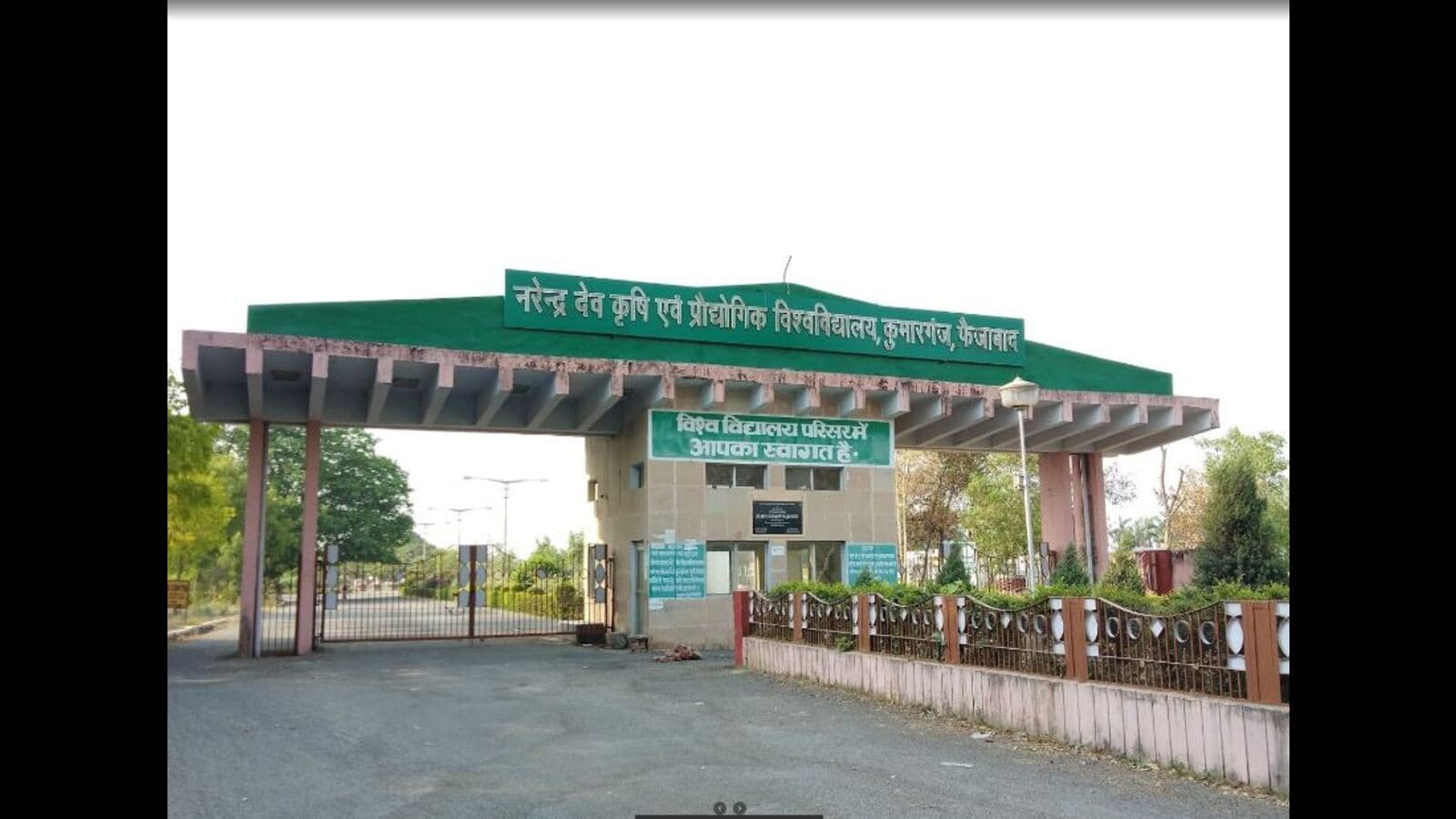
Introduction about Ph.D. in Agriculture Engineering at Narendra Deo University
Embarking on a doctoral journey in Agriculture Engineering at Narendra Deo University offers professionals a unique platform to blend cutting‑edge technology with sustainable farming practices. The program is meticulously designed to nurture innovators who can lead transformative research, influence policy, and drive the agricultural sector toward a resilient future. Whether you aim to develop precision irrigation systems, design climate‑smart machinery, or pioneer bio‑resource management, this Ph.D. equips you with the expertise to make a lasting impact.
Eligibility Criteria for Ph.D. in Agriculture Engineering at Narendra Deo University
- Master’s degree (M.Tech, MSc, or equivalent) in Agriculture Engineering or a closely related discipline with a minimum of 55% aggregate (or 5.5 CGPA) from a recognized university.
- Valid GATE score in Engineering (Agriculture) is advantageous but not mandatory.
- Candidates must possess a strong research background demonstrated through publications, project work, or relevant professional experience.
- Minimum age of 21 years at the time of admission; age relaxations apply for reserved categories as per university norms.
Entrance Exam for Ph.D. in Agriculture Engineering at Narendra Deo University
The university conducts its own Ph.D. entrance examination twice a year (June & December). The exam structure is as follows:
- Section I – Written Test (100 marks): Core subjects include Soil Mechanics, Irrigation Engineering, Post‑Harvest Technology, and Research Methodology.
- Section II – Interview (50 marks): Evaluation of research proposal, academic record, and potential for scholarly contribution.
Applicants with a valid GATE score may be exempted from the written test and directly invited for the interview.
Fee Structure for Ph.D. in Agriculture Engineering at Narendra Deo University
| Component | Annual Fee (INR) | Notes |
|---|---|---|
| Tuition Fee | 45,000 | Applicable for each academic year |
| Laboratory & Field Work Charges | 12,000 | Includes access to research farms and labs |
| Examination & Evaluation Fee | 5,000 | One‑time fee per semester |
| Library & Digital Resources | 3,000 | Annual subscription for journals and databases |
| Total (Approx.) | 65,000 |
Admission Process for Ph.D. in Agriculture Engineering at Narendra Deo University
- Online Application: Fill the application form on the university portal and upload scanned copies of academic certificates.
- Document Verification: The admissions committee reviews eligibility, research proposal, and supporting documents.
- Entrance Examination: Attend the written test (if applicable) and the subsequent interview.
- Selection & Offer Letter: Successful candidates receive an official offer with fee details.
- Fee Payment & Enrollment: Complete the fee payment within the stipulated deadline to secure the seat.
Ph.D. Subjects and Specializations in Agriculture Engineering at Narendra Deo University
The doctoral program offers a broad spectrum of specializations to align with contemporary challenges:
- Precision Agriculture & Remote Sensing
- Water Resources Engineering & Irrigation Management
- Post‑Harvest Technology & Food Processing Engineering
- Renewable Energy Systems for Agriculture
- Soil and Water Conservation Engineering
- Biomechanics of Farm Machinery
Research Areas in Agriculture Engineering at Narendra Deo University
Faculty mentors guide Ph.D. scholars through interdisciplinary research that addresses national priorities and global trends:
- Smart Sensor Networks for Crop Monitoring
- Climate‑Resilient Irrigation Systems
- Waste‑to‑Energy Conversion in Agro‑Industries
- Automation of Harvesting Operations
- Soil Health Assessment using AI‑Driven Models
- Sustainable Design of Farm Machinery
For comprehensive assistance with your dissertation, explore our Thesis and Dissertation Writing Services. Need data analysis support? Check out our Research Data Analysis Services.
Documents Required for Ph.D. in Agriculture Engineering at Narendra Deo University
| Document | Format | Remarks |
|---|---|---|
| Academic Transcripts (10th, 12th, Graduation, Post‑Graduation) | PDF (Scanned) | Attested copies required |
| Research Proposal (5–7 pages) | Should align with university research domains | |
| GATE Scorecard (if applicable) | Valid for the current admission cycle | |
| Curriculum Vitae | Highlight publications, projects, and patents | |
| Proof of Identity (Aadhaar/Passport) | Government‑issued ID only | |
| Letter of Recommendation (2) | From academicians or industry experts |
Narendra Deo University Ph.D. Syllabus for Agriculture Engineering
The syllabus is structured into three phases, each spanning a year:
- Year 1 – Foundation & Methodology: Research methods, statistical tools, advanced soil mechanics, and literature review.
- Year 2 – Core Specialization: Subject‑specific coursework, lab experiments, field trials, and proposal refinement.
- Year 3 – Thesis Development & Defense: Data collection, analysis, manuscript preparation, and final defense.
Students frequently utilize our Research Paper Writing Services to refine manuscript quality and meet journal standards.
How To Apply for Ph.D. in Agriculture Engineering at Narendra Deo University
- Visit the official Ph.D. portal and register using a valid email address.
- Complete the personal and academic sections, upload required documents, and pay the nominal application fee (₹1,500).
- Submit a concise research proposal (maximum 2,000 words) outlining objectives, methodology, and anticipated outcomes.
- Track application status through the portal dashboard and prepare for the entrance exam if shortlisted.
- Upon selection, follow the admission checklist for fee payment and enrollment formalities.
Career Scope and Job Opportunities After Ph.D. in Agriculture Engineering from Narendra Deo University
A doctoral degree in Agriculture Engineering opens doors to high‑impact careers, including:
- Senior Research Scientist – National Agricultural Research Systems (NARS)
- Lead Engineer – Agri‑Tech startups focusing on IoT, AI, and robotics
- University Faculty – Professorship and Ph.D. supervision
- Policy Analyst – Government ministries and international agencies (FAO, World Bank)
- Consultant – Sustainable farm design, water management, and renewable energy integration
- Entrepreneur – Launching agri‑innovation ventures and consultancy firms
The blend of technical acumen and research expertise ensures graduates are competitive in both academia and industry.
Scholarship for Ph.D. in Agriculture Engineering at Narendra Deo University
Meritorious candidates can avail the following financial aids:
- University Merit Scholarship: Covers up to 50% of tuition for top 10% rank holders.
- CSIR/UGC NET Fellowship: Stipend of ₹31,000 per month plus contingency.
- ICAR Research Grant: Project‑based funding for field-oriented research.
- Industry Sponsored Scholarships: Partnerships with leading agri‑companies offering full tuition waiver and project assistance.
Professional support for questionnaire design can be secured via our Questionnaire Design and Development service.
FAQs Regarding Ph.D. in Agriculture Engineering at Narendra Deo University
- Q1: What is the minimum duration to complete the Ph.D.?
- A: The program is structured for a minimum of three years, subject to satisfactory progress and timely thesis submission.
- Q2: Can I pursue the Ph.D. on a part‑time basis while working?
- A: Yes, the university offers a part‑time mode for working professionals, extending the duration to a maximum of six years.
- Q3: Is there any provision for collaborative research with other universities?
- A: Collaborative projects are encouraged; students may sign MoUs with partner institutions for joint supervision and resource sharing.
- Q4: How many publications are required before thesis submission?
- A: At least two peer‑reviewed journal articles or conference papers are mandatory for the final evaluation.
- Q5: Are foreign nationals eligible to apply?
- A: Yes, international candidates meeting the eligibility criteria can apply, subject to visa clearance and fee payment in foreign exchange.








