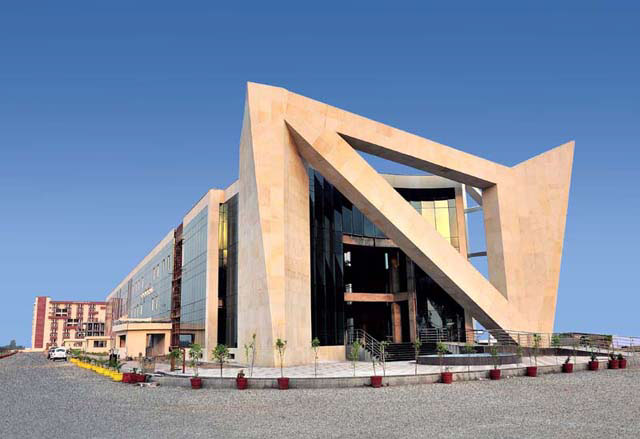
Introduction about Ph.D. in Agriculture at DAV University
Pursuing a Ph.D. in Agriculture at DAV University unlocks a world of cutting?edge research, interdisciplinary collaboration, and leadership opportunities in the agri?science sector. The programme is designed for professionals who aspire to innovate sustainable farming practices, enhance food security, and contribute to policy formulation. With state?of?the?art laboratories, extensive field stations, and mentorship from renowned scholars, DAV University stands as a premier destination for agricultural research excellence.
Eligibility Criteria for Ph.D. in Agriculture at DAV University
- Master?s degree (M.Sc., M.Tech., or equivalent) in Agriculture, Horticulture, Agronomy, Plant Breeding, Soil Science, or related disciplines with a minimum of 55% aggregate (or 5.5 CGPA on a 10?point scale).
- Candidates with a Bachelor?s degree (B.Sc.) are eligible only if they have secured a minimum of 60% and possess a valid NET/SET qualification.
- Candidates must have cleared the UGC?NET (Agriculture) or the university?s entrance test.
- Age limit: No upper age restriction; however, candidates above 35 years must provide evidence of consistent research experience.
- English language proficiency (IELTS 6.0 or TOEFL 80) for international applicants.
Entrance Exam for Ph.D. in Agriculture at DAV University
The entrance exam evaluates both subject?specific knowledge and research aptitude:
- Paper?I (General): Research methodology, statistics, and academic writing.
- Paper?II (Subject): Core topics in Agriculture such as Crop Physiology, Soil Management, Plant Pathology, and Agricultural Economics.
- Duration: 2 hours per paper; total 100 multiple?choice questions.
- Interview: Shortlisted candidates undergo a viva?voce to assess research proposal feasibility and alignment with faculty expertise.
Fee Structure for Ph.D. in Agriculture at DAV University
| Component | Annual Fee (INR) |
|---|---|
| Tuition Fee | 45,000 |
| Laboratory & Field Work Charges | 12,000 |
| Library & Digital Resources | 5,000 |
| Examination & Evaluation Fee | 3,000 |
| Annual Scholarship Disbursement (if awarded) | -10,000 |
| Total (approx.) | 55,000 |
Admission Process for Ph.D. in Agriculture at DAV University
- Online application submission via the university portal.
- Upload scanned copies of academic transcripts, NET/SET scorecard, and a detailed research proposal (max 1500 words).
- Pay the non?refundable application fee (?1,500).
- Appear for the entrance examination and subsequent interview.
- Receive the admission offer letter and complete enrollment by paying the first year?s fee.
Ph.D. Subjects and Specializations in Agriculture at DAV University
Students can specialize in any of the following domains:
- Crop Improvement & Biotechnology
- Soil Science & Fertility Management
- Plant Protection & Integrated Pest Management
- Agricultural Economics & Rural Development
- Post?Harvest Technology & Food Processing
- Precision Agriculture & Remote Sensing
- Organic Farming & Sustainable Agriculture
Research Areas in Agriculture at DAV University
Key research thrusts guided by faculty expertise include:
- Genetic engineering for climate?resilient crops.
- Soil carbon sequestration and nutrient cycling.
- Biological control agents and bio?pesticides.
- Smart farming using IoT, AI, and GIS.
- Value?added processing of horticultural produce.
- Policy analysis for agrarian reforms and farmer welfare.
Documents Required for Ph.D. in Agriculture at DAV University
| Document | Format |
|---|---|
| Academic Transcripts (M.Sc./M.Tech.) | PDF, certified copy |
| UGC?NET/SET Scorecard | PDF, original scan |
| Research Proposal | Word document (max 1500 words) |
| Curriculum Vitae (updated) | |
| Identity Proof (Aadhaar/Passport) | |
| Letter of Recommendation (2) |
DAV University Ph.D. Syllabus for Agriculture
The syllabus is structured into three phases:
- Coursework (Year 1): Advanced Agricultural Statistics, Research Methodology, and Core Discipline Modules.
- Comprehensive Exam (End of Year 1): Written and oral assessment covering coursework.
- Thesis Research (Years 2?4): Original research, periodic progress reports, and final viva?voce defense.
How To Apply for Ph.D. in Agriculture at DAV University
Visit the official Ph.D. admissions portal, register with your email, fill in personal and academic details, upload required documents, and submit the application before the deadline (usually 30?September).
Career Scope and Job Opportunities After Ph.D. in Agriculture from DAV University
Graduates enjoy diverse career pathways:
- Senior Research Scientist ? ICAR, CSIR, or private agri?R&D firms.
- University Faculty ? Assistant/Associate Professor positions.
- Agricultural Policy Analyst ? Government ministries, NGOs, and think?tanks.
- Entrepreneur ? Agri?tech start?ups focusing on biotech, precision farming, or value?added products.
- International Consultant ? Roles with FAO, World Bank, or UNDP projects.
Scholarship for Ph.D. in Agriculture at DAV University
Scholarships are merit?based and cover tuition, living allowance, and research expenses. Eligible candidates can apply for:
- University Merit Scholarship (?15,000 per month).
- UGC?CSIR JRF (?31,000 per month) ? for candidates clearing the CSIR NET.
- ICAR Fellowship ? project?specific funding for field research.
Applications are reviewed alongside the admission process; selected scholars receive award letters within two weeks of final admission.
FAQs Regarding Ph.D. in Agriculture at DAV University
- Q: Can I pursue a Ph.D. part?time while working?
- A: Yes, DAV University offers a part?time track with flexible coursework and extended research timelines.
- Q: Is there a provision for foreign students?
- A: International candidates are welcomed; they must meet the English proficiency criteria and may apply for the university?s global scholarship.
- Q: How long does it take to complete the Ph.D.?
- A: The normal duration is 4?years, but it can be extended up to 6?years based on research progress.
- Q: What is the role of industry collaboration?
- A: The university has MoUs with leading agri?businesses for joint research projects, internships, and technology transfer.
For additional support during your doctoral journey, consider professional services such as Editing and Proofreading Services, PhD Topic Selection and Proposal Assistance, and PhD Admission Assistance. These resources can help you refine your research proposal, enhance manuscript quality, and navigate the admission process smoothly.








