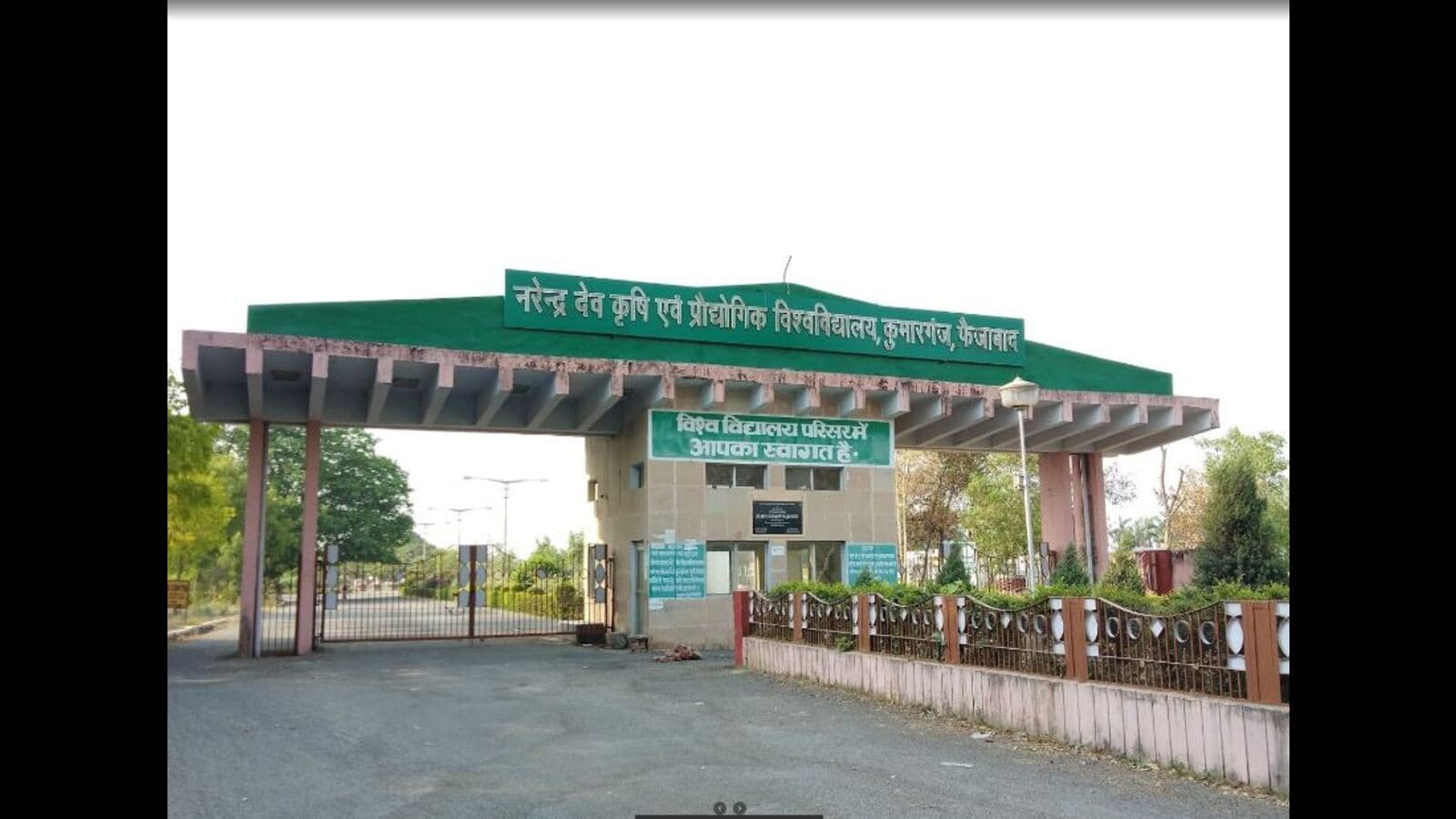
Ph.D. in Agriculture from Narendra Deo University: Eligibility, Entrance Exam, Fee Structure, Admission Process, Subjects, Research Areas, Syllabus, Scholarship & Career Scope
Introduction about Ph.D. in Agriculture at Narendra Deo University
Embarking on a doctoral journey in agriculture at Narendra Deo University opens doors to cutting‑edge research, innovative farming solutions, and leadership roles in the agri‑industry. The programme blends theoretical rigor with hands‑on fieldwork, empowering professionals to transform food security, sustainable practices, and agri‑technology on a global scale.
Eligibility Criteria for Ph.D. in Agriculture at Narendra Deo University
Prospective candidates must fulfill the following baseline requirements:
- Master’s degree (M.Sc., M.Agr., M.Tech.) in Agriculture, Horticulture, Agronomy, Plant Breeding, Soil Science, or related disciplines with a minimum of 55% aggregate (or equivalent CGPA).
- Clearance of the university’s entrance examination or a recognized national test (e.g., NET, GATE, ICAR).
- Valid score in English proficiency (IELTS/TOEFL) for international applicants.
- Research proposal (minimum 1500 words) outlining the intended study area, objectives, and methodology.
Entrance Exam for Ph.D. in Agriculture at Narendra Deo University
The entrance exam evaluates candidates on:
- General Aptitude – Logical reasoning, data interpretation, and verbal ability.
- Subject Knowledge – Core concepts of crop physiology, plant pathology, soil science, agri‑economics, and biotechnology.
- Research Methodology – Understanding of experimental design, statistics, and scientific writing.
Examination format: 120 multiple‑choice questions, 3 hours duration. Successful candidates receive a merit list that determines interview invitations.
Fee Structure for Ph.D. in Agriculture at Narendra Deo University
| Component | Annual Fee (INR) | Remarks |
|---|---|---|
| Tuition & Examination Fees | 45,000 | Includes labs and field‑station access |
| Library & Resource Charges | 5,000 | Digital and physical resource subscriptions |
| Research Project Funding (Optional) | 20,000–50,000 | Depends on project scope and external grants |
| Miscellaneous (Sports, Health, etc.) | 3,000 | Student welfare activities |
| Total Approx. | 73,000 – 103,000 | Variable based on project funding |
Admission Process for Ph.D. in Agriculture at Narendra Deo University
The admission workflow follows a structured six‑step pathway:
- Online Application – Submit the digital form via the university portal.
- Upload Documents – Attach academic transcripts, proof of entrance exam, and research proposal.
- Entrance Examination – Appear for the university‑conducted test or submit a valid national test score.
- Personal Interview – Shortlisted candidates discuss research interests with the faculty panel.
- Admission Offer – Successful candidates receive an official admission letter and fee payment details.
- Registration & Orientation – Complete fee payment, register for courses, and attend the mandatory orientation program.
Ph.D. Subjects and Specializations in Agriculture at Narendra Deo University
The doctorate offers a wide array of specializations to match emerging industry needs:
- Crop Genetics & Breeding
- Soil Fertility & Conservation
- Plant Pathology & Integrated Pest Management
- Agricultural Biotechnology
- Agri‑Economics & Rural Development
- Post‑Harvest Technology & Food Processing
- Precision Agriculture & Remote Sensing
- Organic Farming & Sustainable Agriculture
Research Areas in Agriculture at Narendra Deo University
Faculty and doctoral scholars collaborate on high‑impact research themes such as:
- Climate‑Resilient Crop Varieties
- Soil Health Monitoring Using IoT Sensors
- Biocontrol Agents for Sustainable Pest Management
- Genomic Editing (CRISPR) for Yield Improvement
- Supply‑Chain Optimization for Smallholder Farmers
- Agri‑Waste Valorisation and Circular Economy
Documents Required for Ph.D. in Agriculture at Narendra Deo University
| Document | Format | Notes |
|---|---|---|
| Academic Transcripts (M.Sc./M.Agr.) | PDF (official seal) | All semesters |
| Entrance Exam Scorecard | ICAR NET, GATE, or university test | |
| Research Proposal | Word Document | 1500–2000 words, references included |
| Curriculum Vitae (CV) | Highlight publications & project experience | |
| Identity Proof (Aadhaar/Passport) | Valid and recent | |
| Letter of Recommendation (2) | From academicians or industry supervisors |
Narendra Deo University Ph.D. Syllabus for Agriculture
The syllabus is divided into core courses, electives, and research components:
- Core Modules (Year 1)
- Advanced Plant Physiology
- Statistical Methods for Agricultural Research
- Research Ethics & Scientific Writing
- Electives (Year 1 & 2)
- Remote Sensing & GIS in Agriculture
- Agri‑Policy & Rural Extension
- Biotechnology Applications in Food Security
- Research Phase (Year 2‑4)
- Laboratory/Field Experiments
- Data Analysis & Publication
- Thesis Writing & Defense
How To Apply for Ph.D. in Agriculture at Narendra Deo University
Follow these concise steps to submit a successful application:
- Visit the official university portal and click “Apply for Ph.D.”.
- Register with a valid email address and create a secure password.
- Complete the personal and academic sections, uploading the required PDF documents.
- Pay the non‑refundable application fee (INR 2,500) through the integrated payment gateway.
- Submit the form and note the application reference number for future tracking.
- Monitor your email for interview invitations and further instructions.
Career Scope and Job Opportunities After Ph.D. in Agriculture from Narendra Deo University
Graduates enjoy diverse pathways across academia, industry, and government:
- Academic Positions – Assistant Professor, Research Fellow, Department Head.
- Research Institutes – Senior Scientist roles at ICAR, ICRISAT, CSIR.
- Agri‑Tech Companies – R&D Manager, Product Development Lead, Data Scientist.
- Policy & Advisory Bodies – Agricultural Economist, Rural Development Consultant.
- Entrepreneurship – Start‑ups focusing on precision farming, bio‑fertilizers, or agri‑logistics.
The average starting salary for Ph.D. holders ranges between INR 8–12 lakh per annum, with rapid growth potential for those publishing in high‑impact journals.
Scholarship for Ph.D. in Agriculture at Narendra Deo University
Financial assistance is available through multiple channels:
- University Merit Scholarship – Full tuition waiver for top 10% of merit list.
- ICAR Junior Research Fellowship (JRF) – Stipend of INR 31,000 per month plus contingency.
- Government Grants – State and central schemes for sustainable agriculture research.
- Industry Sponsored Projects – Partial funding tied to specific research deliverables.
Applicants are advised to apply for scholarships simultaneously with the Ph.D. admission to avoid delays.
FAQs Regarding Ph.D. in Agriculture at Narendra Deo University
- What is the minimum duration to complete the Ph.D.?
- The program typically spans 3‑4 years, depending on research progress and publication requirements.
- Can I pursue the Ph.D. part‑time while working?
- Yes, a part‑time option is available for professionals with a valid work‑study agreement.
- Is there a provision for foreign scholars?
- International candidates are welcomed; they must fulfill English proficiency criteria and obtain a research supervisor’s consent.
- How many publications are required before thesis submission?
- At least two








