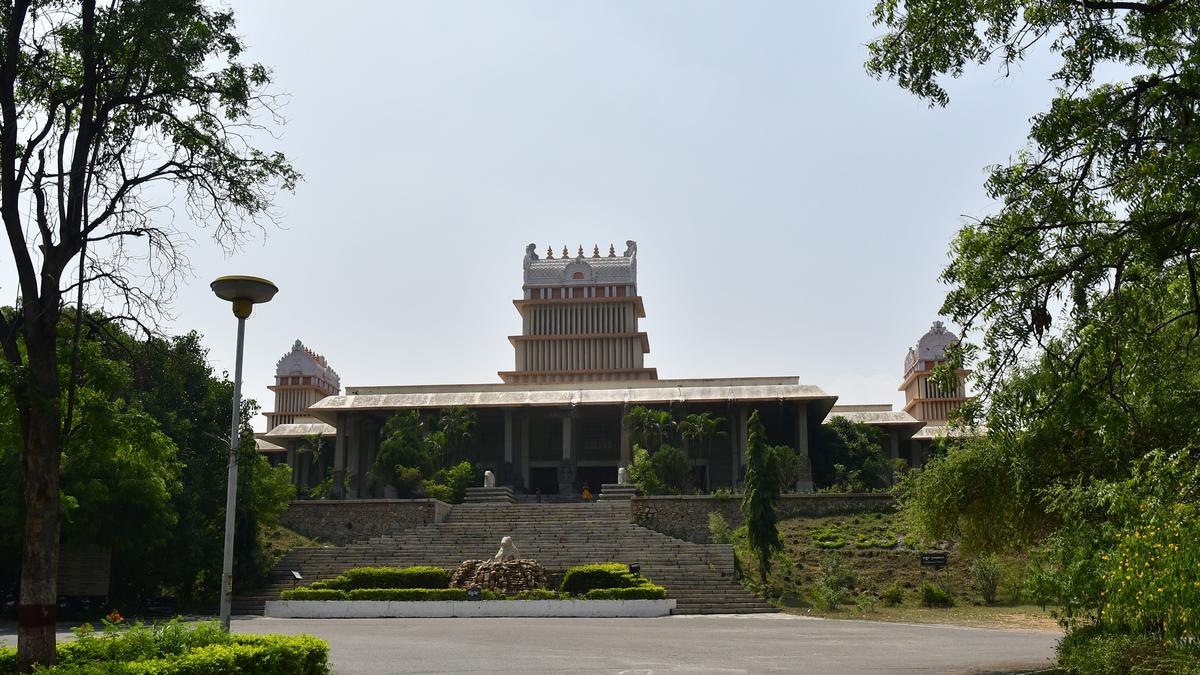
Introduction about Ph.D. in Anthropology at Kannada University
Embarking on a doctoral journey in Anthropology at Kannada University offers aspiring scholars a unique blend of cultural immersion, rigorous methodology, and cutting‑edge research opportunities. Nestled in the heart of Karnataka, the university has carved a niche for itself by fostering interdisciplinary dialogue and nurturing expertise that transcends conventional academic boundaries. Whether you dream of uncovering ancient societal structures or shaping contemporary policy through anthropological insight, this program equips you with the intellectual tools and professional networks required to become a transformative leader in the field.
Eligibility Criteria for Ph.D. in Anthropology at Kannada University
- A Master’s degree (M.A.) in Anthropology or a closely related discipline with a minimum of 55% aggregate (or equivalent CGPA).
- Qualified candidates must have secured a valid NET (National Eligibility Test) or SET (State Eligibility Test) qualification.
- Persons holding a Ph.D. in any discipline are eligible for lateral entry, provided they meet the research aptitude requirements.
- Minimum age limit: 21 years (no upper age limit).
- Foreign nationals must possess equivalent academic credentials and meet visa regulations.
Entrance Exam for Ph.D. in Anthropology at Kannada University
The university conducts its own entrance test for candidates who do not possess NET/SET qualifications. The exam evaluates:
- Research methodology and statistical analysis.
- Core concepts of cultural, physical, and linguistic anthropology.
- Critical thinking and scholarly writing skills.
The selection process also includes a personal interview and a presentation of a research proposal.
Fee Structure for Ph.D. in Anthropology at Kannada University
| Category | Annual Fee (INR) | Notes |
|---|---|---|
| General Category | ₹ 18,000 | Includes tuition, library, and lab charges. |
| SC/ST/PWD | ₹ 12,000 | Reduced fee under government reservation. |
| International Students | ₹ 30,000 | Includes additional support services. |
| Scholarship/Assistantship | ₹ 0 (full waiver) | Available based on merit and research alignment. |
Admission Process for Ph.D. in Anthropology at Kannada University
- Online Application: Submit the application form through the university portal with scanned copies of academic certificates.
- Document Verification: Upload required documents (see the Documents Required section).
- Entrance Examination: Appear for the university‑conducted test or submit NET/SET score.
- Interview & Proposal Review: Present your research proposal to the Departmental Review Committee.
- Admission Offer: Receive an official letter of admission and pay the registration fee.
- Enrollment: Register for courses, attend orientation, and begin your research journey.
Ph.D. Subjects and Specializations in Anthropology at Kannada University
The department offers a wide range of specializations, allowing candidates to tailor their research focus:
- Social & Cultural Anthropology
- Physical Anthropology & Human Evolution
- Archaeology and Heritage Studies
- Medical Anthropology
- Economic Anthropology
- Urban & Rural Development Anthropology
- Applied Anthropology and Policy Studies
Research Areas in Anthropology at Kannada University
Faculty members are actively involved in diverse research projects that include:
- Indigenous knowledge systems of Karnataka.
- Impact of climate change on tribal livelihoods.
- Bio‑archaeological studies of South Indian ancient settlements.
- Health disparities among rural communities.
- Digital anthropology and the rise of social media cultures.
- Migration patterns within the Deccan plateau.
Documents Required for Ph.D. in Anthropology at Kannada University
| Document | Details | Format |
|---|---|---|
| Application Form | Completed online application with photograph | |
| Academic Transcripts | Mark sheets of B.A., M.A., and any other relevant degrees | Scanned PDF |
| NET/SET Score Card | Original score card (if applicable) | Scanned PDF |
| Research Proposal | 1500‑word proposal outlining objectives, methodology, and bibliography | DOCX or PDF |
| Identity Proof | Aadhaar / Passport | Scanned PDF |
| Experience Certificates | Any teaching or research experience (optional but recommended) |
Kannada University Ph.D. Syllabus for Anthropology
The doctoral syllabus is structured into three phases:
- Coursework (Year 1–2): Core modules such as Research Methods, Advanced Theory in Anthropology, Statistical Techniques, and Electives based on specialization.
- Comprehensive Examination: Written and oral assessments to evaluate mastery of the discipline.
- Thesis Research (Year 3–5): Original research leading to a dissertation, followed by a viva voce.
How To Apply for Ph.D. in Anthropology at Kannada University
Follow these step‑by‑step instructions to ensure a smooth application:
- Visit the official Kannada University Ph.D. portal and register a new user account.
- Fill in personal, academic, and contact details; upload a recent passport‑size photograph.
- Attach all required documents (refer to the Documents Required table).
- Select your desired specialization and indicate whether you will appear for the university entrance exam or submit NET/SET scores.
- Pay the non‑refundable application fee via online banking or UPI.
- Submit the application and note the reference number for future correspondence.
For assistance with proposal writing or document proofreading, professional services such as Editing and Proofreading Services, PhD Topic Selection and Proposal Assistance, and PhD Admission Assistance can provide valuable support.
Career Scope and Job Opportunities After Ph.D. in Anthropology from Kannada University
Graduates enjoy a broad spectrum of career pathways:
- Academia: Lecturer, Assistant Professor, or Research Fellow in reputed universities.
- Research Institutes: Positions with the Anthropological Survey of India, National Museum, or private think‑tanks.
- Government & Policy: Advisory roles in ministries dealing with tribal welfare, cultural heritage, and public health.
- Non‑Profit Sector: Program manager or field researcher for NGOs focused on community development.
- Corporate: Cultural consultant, user‑experience researcher, or corporate social responsibility (CSR) analyst.
- Publishing & Media: Editorial positions, documentary production, and content strategy for cultural platforms.
Scholarship for Ph.D. in Anthropology at Kannada University
Financial aid is available through multiple channels:
- University Merit Scholarship: 50% tuition waiver for top‑ranked candidates.
- UGC‑JRF (Junior Research Fellowship): Annual stipend of ₹31,000 plus contingency allowance.
- State Government Fellowships: Reserved for candidates from Karnataka, covering tuition and living expenses.
- Project‑Based Assistantships: Opportunity to work on funded research projects under senior faculty.
- External Grants: Applications to bodies like the Indian Council of Social Science Research (ICSSR) and the Ministry of Culture.
Applicants are encouraged to explore Research Publication Support to strengthen their funding proposals, and Patent Filing and Support Services if their work leads to innovative methodologies or tools.
FAQs Regarding Ph.D. in Anthropology at Kannada University
- 1. Can I pursue a Ph.D. in Anthropology without a NET/SET qualification?
- Yes. Candidates without NET/SET can appear for the university’s entrance test, which assesses research aptitude and subject knowledge.
- 2. What is the typical duration of the Ph.D. program?
- The program is designed for 4‑5 years, depending on the progress of research and thesis submission.
- 3. Is there a provision for part‑time Ph.D. for working professionals?
- Kann








