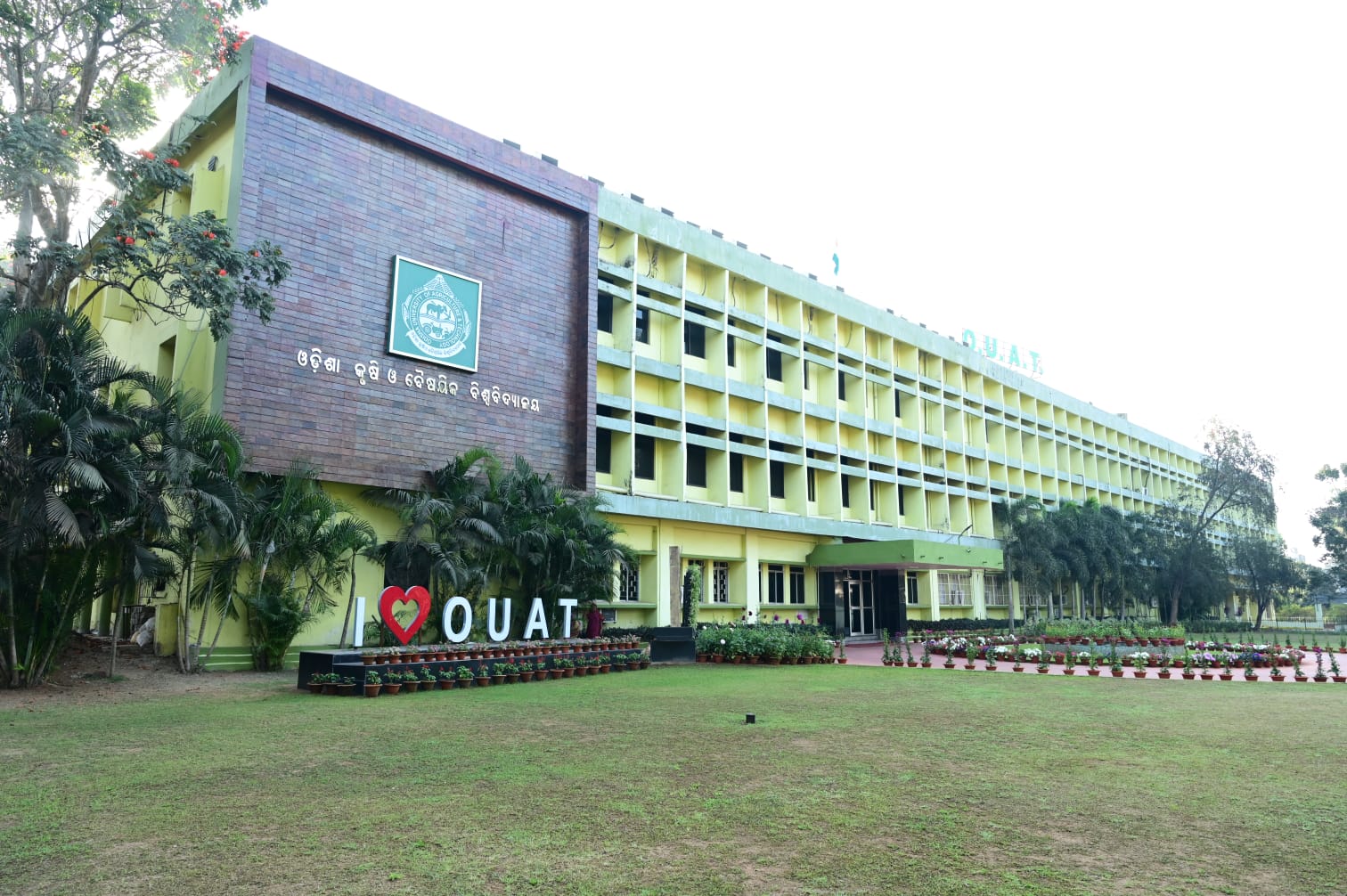
Introduction about Ph.D. in Aquaculture at Orissa University Of Agriculture & Technology
Embarking on a Ph.D. journey is more than just an academic pursuit; it is a commitment to pioneering change in the global food landscape. The Ph.D. in Aquaculture at Orissa University Of Agriculture & Technology (OUAT) stands as a beacon for professionals and researchers who aspire to lead the "Blue Revolution." As one of the oldest and most prestigious agricultural universities in India, OUAT provides an intellectually stimulating environment where tradition meets technological innovation. This program is meticulously designed to create experts who can address the complexities of sustainable fish farming, aquatic health management, and genetic improvement of commercially important species. By joining this doctoral program, you are not just earning a degree; you are becoming a steward of aquatic ecosystems and a catalyst for economic growth through scientific excellence. To ensure your research meets international standards, many scholars utilize professional Editing and Proofreading Services to refine their doctoral thesis and manuscripts.
Ph.D Admission 2026-2027 & Writing Support Services by Shiksha Research
Eligibility Criteria for Ph.D. in Aquaculture at Orissa University Of Agriculture & Technology
Prospective candidates must meet rigorous standards to secure a seat in this elite program. The eligibility criteria are designed to ensure that applicants possess a strong foundational knowledge of fisheries sciences. Candidates must have completed a Master?s degree (M.F.Sc.) in Aquaculture or a closely related branch of Fisheries Science from a recognized university. A minimum Overall Grade Point Average (OGPA) of 6.5/10.0 for General candidates (or 6.0/10.0 for SC/ST/PH candidates) is generally required. Furthermore, candidates must have completed their previous degree from a college accredited by the ICAR. Professionals aiming for this path often find that getting the right PhD Topic Selection and Proposal Assistance early in their career planning helps in aligning their Master's research with their future doctoral goals.
Entrance Exam for Ph.D. in Aquaculture at Orissa University Of Agriculture & Technology
Admission into the Ph.D. program is highly competitive and primarily determined through an All-India level entrance examination or the university's specific entrance test. Typically, OUAT evaluates candidates based on the ICAR AICE-JRF/SRF (Ph.D.) ranks or conducts its own Subject Matter Test (SMT). The entrance exam tests the candidate?s depth in aquaculture principles, research methodology, and current trends in the fisheries sector. Aspiring Ph.D. scholars must demonstrate critical thinking and analytical skills to clear this hurdle. While preparing, many candidates seek PhD Admission Assistance to navigate the complex application windows and examination schedules effectively.
Fee Structure for Ph.D. in Aquaculture at Orissa University Of Agriculture & Technology
Investing in a Ph.D. at OUAT is an investment in your future credibility as a scientist. The university maintains a transparent and subsidized fee structure compared to private institutions, making it accessible for dedicated researchers. Below is an approximate breakdown of the typical costs involved in the doctoral program.
| Component | Estimated Fee (INR) | Frequency |
|---|---|---|
| Admission/Registration Fee | ?10,500 | One-time |
| Tuition Fee | ?15,000 | Per Semester |
| Laboratory & Research Fees | ?8,000 | Per Semester |
| Library & Identity Card | ?2,500 | One-time |
| Examination Fee | ?4,000 | Per Semester |
| Hostel Charges (Optional) | ?12,000 | Per Annum |
Admission Process for Ph.D. in Aquaculture at Orissa University Of Agriculture & Technology
The admission process at OUAT is structured to identify the most visionary minds. It typically begins with the release of the official notification on the university website. After the entrance examination results are declared, shortlisted candidates are called for a counseling session or an interview. During the interview, the departmental committee evaluates the candidate?s research interest and their fitness for the ongoing projects at the University. It is during this stage that having a well-drafted research proposal is vital. While some pursue traditional research, established leaders in the industry sometimes look for Honorary Doctorate Programs to acknowledge their lifelong contributions to the field of aquaculture and socio-economic development.
Ph.D. Subjects and Specializations in Aquaculture at Orissa University Of Agriculture & Technology
The curriculum is designed to provide both breadth and depth in the field. Specializations allow students to focus on specific niches within the vast blue economy. Common specializations offered include:
- Advanced Fish Nutrition and Feed Technology: Focusing on alternative protein sources and functional feeds.
- Aquaculture Biotechnology: Studying gene editing, hormonal control of reproduction, and vaccine development.
- Aquatic Health Management: Diagnostic techniques and therapeutics for bacterial and viral fish diseases.
- Intensive Aquaculture Systems: Researching Recirculating Aquaculture Systems (RAS) and Biofloc technology.
- Fish Genetics and Breeding: Selection programs and hybridization techniques for superior growth traits.
Research Areas in Aquaculture at Orissa University Of Agriculture & Technology
Innovation is at the core of OUAT?s doctoral program. The research areas are aligned with the national priorities of food security and climate-resilient farming. Current scholars are working on the domestication of indigenous species, climate-smart aquaculture models, and the optimization of polyculture systems in coastal Odisha. To ensure that these findings reach the global scientific community, scholars often utilize Research Publication Support to get their work featured in high-impact journals such as 'Aquaculture' or 'Fish & Shellfish Immunology'.
Documents Required for Ph.D. in Aquaculture at Orissa University Of Agriculture & Technology
To ensure a smooth admission experience, candidates must prepare an exhaustive set of documents. Accuracy here is critical, as any discrepancy can lead to disqualification. The following documents are generally required:
- Provisional and Degree Certificates of Graduation and Post-Graduation.
- Official Transcripts and Marksheets.
- Rank Card of the Entrance Examination (ICAR/OUAT).
- Migration Certificate and Transfer Certificate.
- Caste/Category Certificate (if applicable).
- No Objection Certificate (NOC) for employed professionals.
- Recent Passport Size Photographs.
- Research Proposal or Statement of Purpose (SOP).
Orissa University Of Agriculture & Technology Ph.D. Syllabus for Aquaculture
The syllabus for a Ph.D. at OUAT is divided into coursework and original research work. In the first year, students undergo rigorous training in Advanced Aquaculture, Statistics, and Research Methodology. Once the coursework is cleared through a comprehensive examination, the focus shifts entirely to the doctoral thesis. The syllabus ensures that students are well-versed in the latest advancements, such as CRISPR/Cas9 applications in fish and the use of Artificial Intelligence (AI) in farm management. During the thesis phase, if a scholar develops a new technology or tool, they should seek Patent Filing and Support Services to protect their intellectual property and innovations.
How To Apply for Ph.D. in Aquaculture at Orissa University Of Agriculture & Technology
The application process is primarily online. Follow these steps for a successful application:
- Visit the official OUAT portal and register for the Ph.D. program.
- Fill in the personal and academic details carefully.
- Upload scanned copies of the required documents and your signature.
- Pay the application fee through the integrated payment gateway.
- Download and print the application form for future reference.
- Keep an eye on the admit card release dates and the exam schedule.
Career Scope and Job Opportunities After Ph.D. in Aquaculture from Orissa University Of Agriculture & Technology
Completing a Ph.D. from OUAT opens a gateway to diverse and lucrative career paths. You become part of an elite group of scientists capable of shaping policy and industry. Some prominent roles include:
- Research Scientist: Joining ICAR institutes (like CIFA or CIFT) as a scientist through the ARS examination.
- Academician: Serving as an Assistant Professor in Fisheries Colleges across the country.
- R&D Lead: Working with multinational feed companies or pharmaceutical firms specializing in aquatic health.
- Entrepreneur: Establishing high-tech hatcheries or consulting firms for sustainable aquaculture development.
- International Consultant: Collaborating with organizations like the FAO or WorldFish.
Scholarship for Ph.D. in Aquaculture at Orissa University Of Agriculture & Technology
Financial support is a crucial aspect for full-time researchers. OUAT Ph.D. students have access to several scholarship opportunities. The most sought-after is the ICAR-SRF (Senior Research Fellowship), awarded to high-ranking candidates in the entrance exam. Additionally, university-specific merit scholarships, state government stipends for SC/ST students, and project-based fellowships (JRF/SRF in sponsored projects) provide substantial financial assistance. These scholarships allow researchers to focus entirely on their scientific inquiries without the burden of financial stress.
FAQs Regarding Ph.D. in Aquaculture at Orissa University Of Agriculture & Technology
Q1: Is the Ph.D. program at OUAT recognized globally?
Yes, OUAT is a premiere ICAR-accredited university, and its degrees are recognized globally for research and employment.
Q2: Can I pursue a Ph.D. while working in the Fisheries Department?
Yes, "In-service" candidates can apply, provided they obtain a No Objection Certificate (NOC) and fulfill the study leave requirements of their employer.
Q3: How long does it take to complete the Ph.D.?
The standard duration is 3 years, comprising two semesters of coursework and four semesters of research, though extensions are possible based on the nature of the research.
Q4: Does the university help in research publication?
OUAT has a vibrant academic ecosystem and faculty mentors who guide students through the publication process, ensuring their work reaches credible platforms.
Q5: What is the focus area of Aquaculture research in Odisha?
Being a coastal state, research often focuses on brackish water aquaculture, freshwater pearl culture, and the breeding of high-value species like Scampi and Vannamei.








