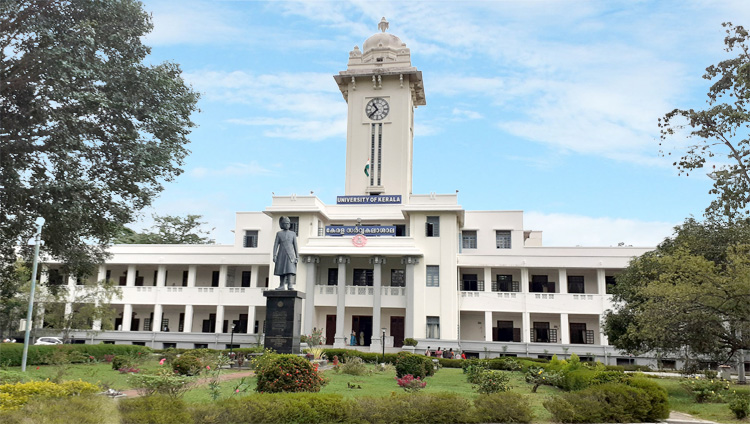
Ph.D. in Archaeology from Kerala University
Kerala University stands among the premier institutes in South India for advanced research in archaeology. The Doctor of Philosophy program blends rigorous fieldwork, cutting‑edge laboratory techniques, and interdisciplinary scholarship, empowering professionals to uncover and interpret India’s rich cultural heritage. Whether you aim to lead excavation projects, curate museum collections, or contribute to academic discourse, a Ph.D. in Archaeology from Kerala University equips you with the expertise and credibility demanded by the global heritage sector.
Ph.D Admission 2026-2027 & Writing Support Services by Shiksha Research
Eligibility Criteria for Ph.D. in Archaeology at Kerala University
Prospective candidates must meet at least one of the following qualifications:
- Master’s degree (M.A./M.Sc.) in Archaeology, History, Anthropology, or a closely related discipline with a minimum of 55% aggregate.
- Cleared National Eligibility Test (NET) or SLET in Archaeology or related subjects.
- Holding a Ph.D. in another discipline with a strong research proposal in archaeology.
Applicants should possess a solid foundation in research methodology, heritage management, and field techniques.
Entrance Exam for Ph.D. in Archaeology at Kerala University
The university conducts a comprehensive written test followed by a personal interview. The written component assesses:
- Research methodology and statistics.
- Core archaeological theory, chronology, and typology.
- Regional heritage laws and conservation practices.
Shortlisted candidates are invited for an interview to evaluate their research proposal, analytical skills, and alignment with faculty expertise.
Fee Structure for Ph.D. in Archaeology at Kerala University
| Component | Annual Fee (INR) | One‑Time Charges (INR) |
|---|---|---|
| Tuition & Laboratory Use | 12,000 | — |
| Examination & Evaluation | 3,000 | — |
| Library & Digital Resources | 2,500 | — |
| Admission Processing Fee | — | 5,000 |
| Miscellaneous (Fieldwork permits, equipment) | — | 10,000 |
Fee concessions are available for candidates with NET/SLET qualification, government scholarships, or those admitted under the university’s merit‑based waiver scheme.
Admission Process for Ph.D. in Archaeology at Kerala University
- Online Application: Submit the application form through the university portal, upload scanned documents and pay the processing fee.
- Document Verification: The admissions office verifies academic transcripts, NET/SLET certificates, and identity proof.
- Entrance Examination: Eligible candidates are notified of the test date and venue.
- Interview: Successful test‑takers present their research proposal before the faculty panel.
- Final Admission Offer: Candidates receive an admission letter, subject to payment of the first year’s tuition.
For personalized support throughout the process, explore PhD Admission Assistance services.
Ph.D. Subjects and Specializations in Archaeology at Kerala University
The program offers a range of specializations, allowing scholars to focus on niche areas:
- Pre‑historic Archaeology
- South Indian Temple Architecture
- Maritime Trade & Cultural Exchanges
- Archaeobotany and Paleoethnobotany
- Heritage Conservation & Management
- Digital Archaeology (GIS, 3D modeling)
Research Areas in Archaeology at Kerala University
Faculty members guide research across diverse themes, including:
- Chronology of the Chera dynasty and its trade networks.
- Rock art documentation in the Western Ghats.
- Urbanism in the ancient port city of Muziris.
- Application of remote sensing in coastal site detection.
- Community‑based heritage preservation models.
Documents Required for Ph.D. in Archaeology at Kerala University
| Document | Details |
|---|---|
| Academic Transcripts | Certified copies of all post‑graduate certificates. |
| NET/SLET Scorecard | Original scorecard or official PDF. |
| Research Proposal | Maximum 2,000 words outlining objectives, methodology, and bibliography. |
| Identity Proof | Aadhar card or passport copy. |
| Passport‑size Photographs | Four recent color photographs. |
| Experience Certificate (if applicable) | Letter from previous employer or research institution. |
Kerala University Ph.D. Syllabus for Archaeology
The syllabus is structured into three phases:
- Coursework (Year 1): Advanced research methods, archaeological theory, GIS and remote sensing, heritage law, and scientific dating techniques.
- Comprehensive Exam (End of Year 2): Written and oral assessment covering all core modules.
- Dissertation (Years 3‑5): Original research, fieldwork, data analysis, and a thesis defended before a panel of experts.
How To Apply for Ph.D. in Archaeology at Kerala University
Follow these steps to submit a successful application:
- Visit the official Kerala University Ph.D. portal and register with a valid email address.
- Complete the online form, upload required documents, and pay the non‑refundable processing fee.
- Prepare a compelling research proposal. For expert guidance, consider PhD Topic Selection and Proposal Assistance.
- Monitor your email for the entrance exam schedule and interview invitation.
- After admission, register for mandatory coursework and begin field preparations.
Career Scope and Job Opportunities After Ph.D. in Archaeology from Kerala University
Graduates enjoy a wide spectrum of professional avenues:
| Sector | Potential Roles |
|---|---|
| Academia | Assistant Professor, Research Fellow, Department Head |
| Government & Public Heritage | Archaeological Survey Officer, Conservation Officer, Heritage Manager |
| Museums & Galleries | Curator, Collections Manager, Exhibition Designer |
| Consultancy | Environmental Impact Assessor, Cultural Resource Consultant |
| International Organizations | UNESCO Heritage Specialist, World Bank Cultural Advisor |
Many alumni also pursue post‑doctoral fellowships abroad, publish in high‑impact journals, and secure research grants from bodies like the Indian Council of Historical Research (ICHR) and the Ministry of Culture.
Scholarship for Ph.D. in Archaeology at Kerala University
Financial support is available through several channels:
- University Merit Scholarships: Awarded to top‑ranked candidates based on entrance scores.
- National Fellowships: Including the UGC‑NET/CSIR JRF and the Ministry of Education’s STARS scheme.
- External Grants: UNESCO, British Council, and the Indo‑Swiss Project provide fieldwork stipends.
- Research Assistantships: Paid positions within ongoing faculty projects, often covering tuition and a monthly stipend.
Students requiring assistance with grant writing may benefit from Editing and Proofreading Services to polish their proposals.
FAQs Regarding Ph.D. in Archaeology at Kerala University
- Q: Can a candidate with a B.A. in History directly pursue a Ph.D.?
- A: Direct admission is not permitted. Candidates must first complete a relevant master’s program or obtain a NET/SLET qualification.
- Q: How long does the Ph.D. program typically take?
- A: The minimum duration is three years, with a maximum of five years, depending on research progress and fieldwork requirements.
- Q: Is part‑time enrollment allowed for working professionals?
- A: Yes, Kerala University offers a part‑time option, though the fee structure is adjusted and the research timeline may be extended.
- Q: Are there any language requirements?
- A: Applicants must be proficient in English; a minimum IELTS score of 6.0 is recommended for international scholars.
- Q: What support is available for publishing research?
- A: The university’s research office collaborates with Research Publication Support providers to guide authors through journal selection, peer‑review revision, and open‑access options.
- Q: Can the Ph.D. lead to a patent?








