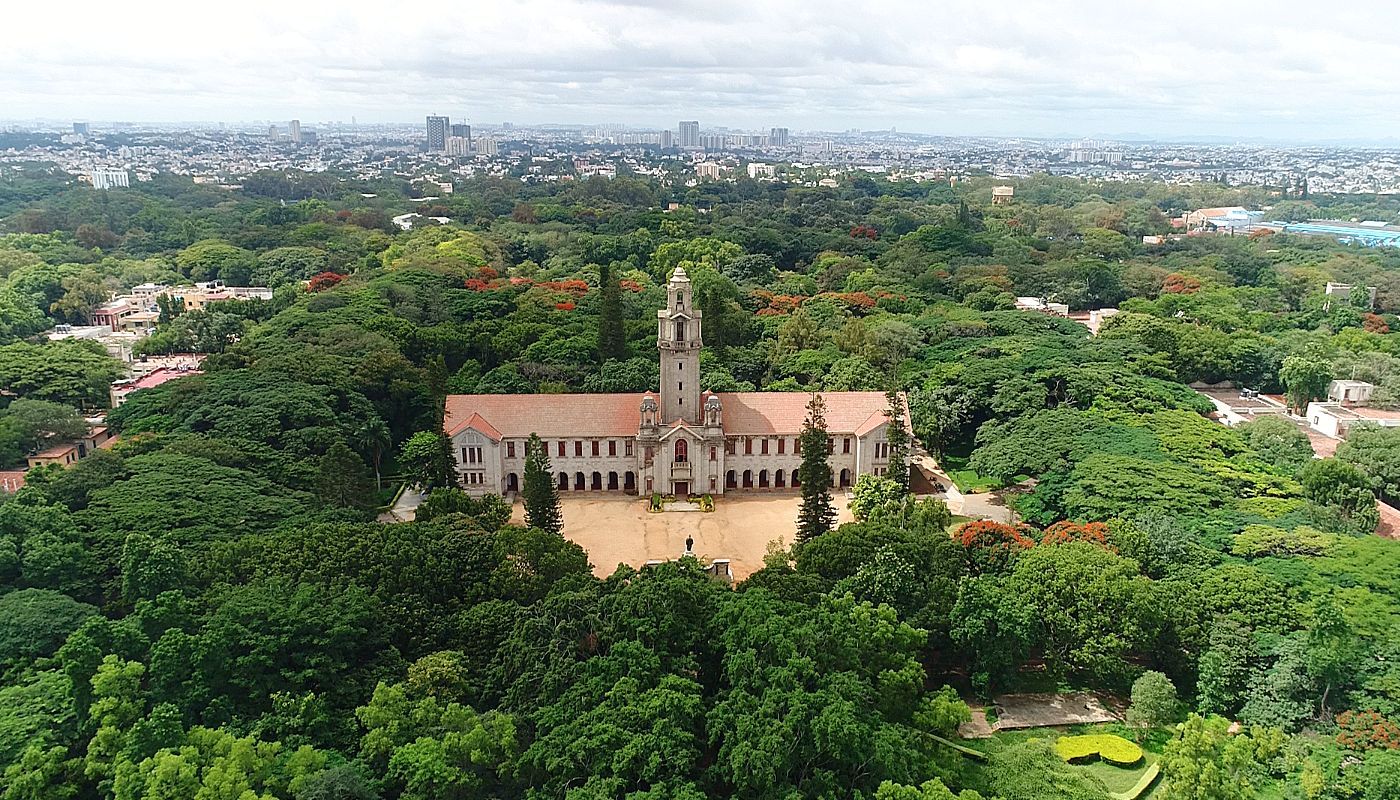
Ph.D. in Astrophysics from Indian Institute of Science: Eligibility, Admission, Fee, Syllabus & Career
Introduction about Ph.D. in Astrophysics at Indian Institute of Science
Embarking on a journey toward a Ph.D. in Astrophysics at the Indian Institute of Science (IISc) Bengaluru is a transformative endeavor for any aspiring scientist. As a premier institution for advanced scientific research, IISc pushes the boundaries of human knowledge in space-time, stellar evolution, and cosmology. Choosing to conduct research here places you at the epicenter of innovation. If you are preparing your application, our professional PhD Admission Assistance can ensure your profile stands out among the brightest global talents.
Eligibility Criteria for Ph.D. in Astrophysics at Indian Institute of Science
The eligibility criteria at IISc are rigorous to ensure the highest standard of academic excellence. Candidates must hold a Master?s degree in Physics, Mathematics, or Astronomy/Astrophysics, or a Bachelor?s degree in Engineering (B.E./B.Tech) with a strong foundation in Physics. A minimum of 60% marks or an equivalent CGPA is generally required. Candidates must also demonstrate exceptional analytical skills, which can be further honed through our PhD Topic Selection and Proposal Assistance, ensuring your research vision aligns with the department's high standards.
Entrance Exam for Ph.D. in Astrophysics at Indian Institute of Science
Admission to the Ph.D. program is competitive and requires qualifying in national-level examinations. Candidates must hold a valid GATE, NET JRF, or JEST score. These exams evaluate your fundamental grasp of physical sciences. Following the screening of test scores, candidates are invited for a multi-stage selection process, which includes a departmental test followed by an intensive technical interview.
Fee Structure for Ph.D. in Astrophysics at Indian Institute of Science
The fee structure at IISc is highly subsidized, reflecting its commitment to promoting research equality. Below is a approximate overview for the Ph.D. program:
| Fee Component | Amount (Approx) |
|---|---|
| Tuition Fee (Annual) | INR 18,000 |
| Registration Fee | INR 1,000 |
| Library & Laboratory Deposit | INR 15,000 (Refundable) |
| Student Emergency Fund | INR 500 |
Admission Process for Ph.D. in Astrophysics at Indian Institute of Science
The admission process involves an online application portal. Shortlisted candidates are invited to document verification and interviews. Since the competition is fierce, candidates often find themselves needing expert guidance. Utilizing Editing and Proofreading Services for your Statement of Purpose (SOP) and research documents can significantly enhance your chances of securing a seat.
Ph.D. Subjects and Specializations in Astrophysics at Indian Institute of Science
The curriculum is designed to provide depth and breadth in modern physics. Core subjects typically include General Relativity, Cosmology, High-Energy Astrophysics, Radiative Processes, and Computational Astrophysics. Specializations are available in areas such as observational astronomy, theoretical cosmology, and high-energy phenomena.
Research Areas in Astrophysics at Indian Institute of Science
IISc offers a vibrant ecosystem for research. Key areas include:
- Theoretical Cosmology and Early Universe models.
- Compact Objects (Neutron stars, Black Holes).
- Galaxy Formation and Evolution.
- Star Formation and Interstellar Medium.
For those looking to secure an academic legacy, our Research Publication Support helps scholars transition their findings into high-impact journals.
Documents Required for Ph.D. in Astrophysics at Indian Institute of Science
Applicants must organize their documents meticulously. Required files include:
- Academic transcripts of Bachelor?s and Master?s degrees.
- Valid national exam scorecards (GATE/NET/JEST).
- Detailed Research Proposal.
- Letters of Recommendation (LORs).
- Valid ID proof (Aadhar/Passport).
Indian Institute of Science Ph.D. Syllabus for Astrophysics
The coursework focuses on advanced research methodology. Candidates engage in rigorous study of mathematical physics, statistical mechanics, and advanced computational techniques. The syllabus is dynamic, often incorporating the latest discoveries in the field to keep research relevant.
How To Apply for Ph.D. in Astrophysics at Indian Institute of Science
Applications are submitted strictly through the IISc admissions portal. Ensure you have all digital copies of certificates ready before starting. If your research involves innovative technical processes, you may also require Patent Filing and Support Services to protect your intellectual property as you advance in your career.
Career Scope and Job Opportunities After Ph.D. in Astrophysics from Indian Institute of Science
Graduates from IISc are highly sought after globally. Career paths include:
- Post-doctoral researcher at premier global observatories.
- Faculty positions in top-tier universities.
- Data Science and Analytics roles in private sectors.
- Scientific officers in space agencies like ISRO or NASA.
Scholarship for Ph.D. in Astrophysics at Indian Institute of Science
IISc provides generous scholarships/fellowships to all selected Ph.D. students (e.g., MHRD or CSIR fellowships). These cover living expenses and conference travel, allowing students to focus entirely on their research. For those seeking honorary recognitions based on their contribution to science later in their journey, explore our Honorary Doctorate Programs.
FAQs Regarding Ph.D. in Astrophysics at Indian Institute of Science
Is work experience required? No, but it can be beneficial for certain industry-connected projects.
Can I switch from Engineering to Astrophysics? Yes, provided you meet the required Physics and Math credit criteria during your Bachelor's.
How long is the program? Typically 4 to 6 years depending on the research progress.








