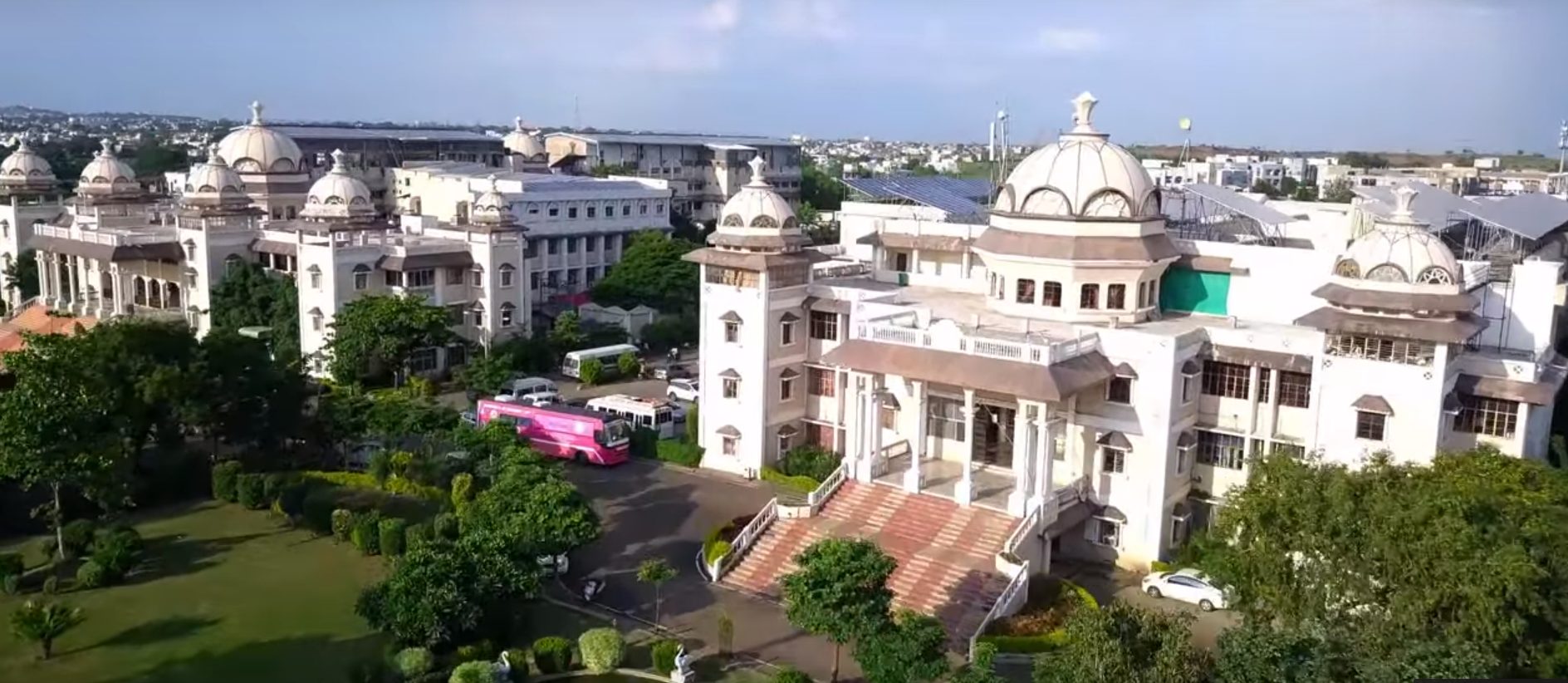
Introduction about Ph.D. in Ayurved Samitha and Siddhant at Datta Meghe Institute of Medical Sciences
Embarking on a Ph.D. in Ayurved Samhita and Siddhant at Datta Meghe Institute of Medical Sciences (DMIMS) is more than just an academic pursuit; it is a profound journey into the very soul of life sciences. For the dedicated professional, this program offers a rare opportunity to bridge the gap between ancient wisdom and contemporary medical challenges. Samhita (the classical texts) and Siddhant (the fundamental principles) form the bedrock of Ayurveda, providing the philosophical and scientific scaffolding upon which all clinical practices are built. At DMIMS, a NAAC A+ accredited Deemed University, scholars are encouraged to delve deep into the 'Brihatrayis'?the Charaka Samhita, Sushruta Samhita, and Ashtanga Hridaya?uncovering insights that remained dormant for centuries. This program is designed to inspire visionaries who seek to validate traditional knowledge through the lens of modern research, ensuring that the eternal truths of Ayurveda continue to heal the global community in the 21st century.
Ph.D Admission 2026-2027 & Writing Support Services by Shiksha Research
Eligibility Criteria for Ph.D. in Ayurved Samitha and Siddhant at Datta Meghe Institute of Medical Sciences
To join this prestigious doctoral program, candidates must demonstrate a high level of academic proficiency and a deep-seated commitment to the study of Ayurvedic fundamentals. The eligibility criteria are designed to ensure that researchers possess the necessary foundational knowledge to conduct advanced inquiry. Applicants must hold a post-graduate degree (M.D. or M.S.) in Ayurveda (specifically in Samhita, Siddhant, or related disciplines) from a CCIM/NCISM recognized institution. A minimum aggregate of 55% marks (or an equivalent grade) in the master's degree is generally required, though a relaxation of 5% is granted to candidates belonging to reserved categories as per University Grants Commission (UGC) and institutional guidelines. Furthermore, professionals who have demonstrated significant contributions to the field through publications or clinical experience may find themselves at a distinct advantage during the selection process.
Entrance Exam for Ph.D. in Ayurved Samitha and Siddhant at Datta Meghe Institute of Medical Sciences
The gateway to the Ph.D. program at DMIMS is the All India Entrance Test (AIET) conducted by the university. This rigorous examination evaluates the candidate's grasp of Ayurvedic classics, research methodology, and logical reasoning. The exam typically consists of two parts: Paper I focuses on Research Methodology and Bio-statistics, assessing the scholar?s ability to design and interpret scientific studies. Paper II is subject-specific, delving into the intricacies of Samhita and Siddhant, including Sanskrit grammar, Tarka Sangraha, and Padartha Vigyana. Candidates who have qualified for national-level fellowships such as UGC-NET, JRF, or AYUSH-NET may be exempted from the entrance test, though they must still participate in the subsequent personal interview and proposal presentation phases.
Fee Structure for Ph.D. in Ayurved Samitha and Siddhant at Datta Meghe Institute of Medical Sciences
Investing in a Ph.D. at Datta Meghe Institute of Medical Sciences is an investment in professional authority and research excellence. The fee structure is designed to support the extensive infrastructure, library resources, and mentorship provided by the university. Below is a detailed breakdown of the estimated costs involved in the doctoral journey:
| Particulars | Estimated Amount (INR) | Frequency |
|---|---|---|
| Registration Fee | ? 15,000 - ? 25,000 | One-time |
| Annual Tuition Fee | ? 75,000 - ? 1,20,000 | Yearly |
| Library & Laboratory Fees | ? 10,000 - ? 15,000 | Yearly |
| Thesis Submission Fee | ? 30,000 - ? 50,000 | One-time |
| Caution Deposit (Refundable) | ? 10,000 - ? 20,000 | One-time |
Note: The fees mentioned are indicative and subject to change based on university notifications and administrative decisions. Scholars are advised to check the official DMIMS portal for the latest updates.
Admission Process for Ph.D. in Ayurved Samitha and Siddhant at Datta Meghe Institute of Medical Sciences
The admission process at DMIMS is transparent, competitive, and merit-based. It begins with the release of the official notification for the Ph.D. entrance cycle. Interested candidates must register online and submit their applications along with a preliminary research interest statement. Following the entrance exam, shortlisted candidates are invited for a personal interview before the Research Advisory Committee (RAC). During this interview, the candidate?s research potential, subject knowledge, and the feasibility of their proposed topic are evaluated. The final selection is based on a weighted score of the entrance exam and the interview performance. Once selected, candidates must undergo a mandatory six-month course work period, which is essential for establishing the technical skills required for high-level academic writing and Thesis and Dissertation Writing Services alignment.
Ph.D. Subjects and Specializations in Ayurved Samitha and Siddhant at Datta Meghe Institute of Medical Sciences
While the Ph.D. is specialized in Samhita and Siddhant, the scope of study is incredibly vast. Scholars can choose to focus on specific classic texts or broader philosophical concepts. Key subjects and areas of focus include:
- Charaka Samhita: In-depth exploration of Chikitsa Sthana and Vimana Sthana.
- Sushruta Samhita: Scientific analysis of Sharira Sthana and Agantra-tantra.
- Padartha Vigyana: Modern interpretation of the ontological concepts of Ayurveda.
- Ayurvedic Itihas: The historical evolution of Ayurvedic thought and its global impact.
- Sanskrit for Ayurveda: Advanced linguistic analysis of ancient medical manuscripts.
- Tantrayukti: The methodology of ancient scientific writing and interpretation.
Research Areas in Ayurved Samitha and Siddhant at Datta Meghe Institute of Medical Sciences
Research at DMIMS is characterized by its rigor and innovation. Professionals pursuing their Ph.D. are encouraged to explore areas that have contemporary relevance. This includes literary research where scholars re-examine ancient texts to find solutions for modern lifestyle disorders. Comparative studies between Ayurvedic principles and modern physiology are also highly encouraged. Researching the "Prakriti" concept through genomic markers is a trending area that requires precise Questionnaire Design and Development to gather patient data effectively. Other areas include the validation of "Dinacharya" (daily regimens) and "Ritucharya" (seasonal regimens) in preventive health management. For those interested in public health, developing standardized tools for assessing Ayurvedic health parameters is a vital research pathway.
Documents Required for Ph.D. in Ayurved Samitha and Siddhant at Datta Meghe Institute of Medical Sciences
Successful application requires the submission of several key documents. Ensuring these are prepared in advance will facilitate a smooth admission process:
- Master?s Degree (MD/MS) Certificate and Marksheets.
- Bachelor?s Degree (BAMS) Certificate and Marksheets.
- Valid Registration Certificate with the Central/State Council of Indian Medicine.
- No Objection Certificate (NOC) from the current employer (for working professionals).
- Research Proposal (Synopsis) outlining the intended area of study.
- Identity Proof (Aadhar Card, Passport, or Voter ID).
- Passport-sized photographs.
- Caste Validity Certificate (if applicable).
Datta Meghe Institute of Medical Sciences Ph.D. Syllabus for Ayurved Samitha and Siddhant
The syllabus for the Ph.D. program is divided into the Course Work phase and the Research phase. The Course Work phase is designed to prepare the scholar for the rigors of independent inquiry. It includes:
- Research Methodology: Fundamentals of qualitative and quantitative research, literature review techniques, and identifying research gaps.
- Bio-statistics: Application of statistical tools in Ayurvedic research. This is where many scholars utilize Research Data Analysis Services to ensure their findings are statistically significant and robust.
- Ethics in Research: Ethics of clinical trials, animal studies, and plagiarism policies.
- Advanced Samhita Study: Critical analysis of commentators like Dalhana, Chakrapani, and Hemadri.
- Subject Specifics: Detailed study of the specific Siddhant (principles) chosen for the doctoral thesis.
How To Apply for Ph.D. in Ayurved Samitha and Siddhant at Datta Meghe Institute of Medical Sciences
Prospective scholars should follow these steps to apply for the Ph.D. program:
- Visit the official website of Datta Meghe Institute of Medical Sciences (Deemed to be University).
- Navigate to the 'Admissions' section and select 'Ph.D. Entrance Examination'.
- Fill out the online application form with accurate personal and academic details.
- Upload the scanned copies of required documents in the prescribed format.
- Pay the application fee through the secure online payment gateway.
- Download and print the hall ticket when released for the AIET entrance exam.
- Keep a copy of the submitted application and payment receipt for future reference.
Career Scope and Job Opportunities After Ph.D. in Ayurved Samitha and Siddhant from Datta Meghe Institute of Medical Sciences
Attaining a Ph.D. from DMIMS elevates a professional to the top tier of the Ayurvedic academic and industrial hierarchy. The career scope is extensive and diverse. Doctorate holders often find themselves in leadership roles within academic institutions as Professors, HODs, or Principals. In the corporate sector, pharmaceutical companies specializing in Ayurveda require Ph.D. scholars to lead their Research and Development (R&D) departments to innovate new formulations based on classical principles. There is also a significant demand for subject matter experts in government bodies like AYUSH and CCRAS. Furthermore, professionals can establish their own high-end consultancy services or become specialized authors. Often, high-impact researchers utilize Research Paper Writing Services to publish their findings in indexed international journals, thereby establishing their global authority in the field.
Scholarship for Ph.D. in Ayurved Samitha and Siddhant at Datta Meghe Institute of Medical Sciences
DMIMS and the Government of India offer various financial aids to support doctoral researchers. Full-time Ph.D. scholars may be eligible for University Research Fellowships based on their performance in the entrance exam. Additionally, candidates who have qualified for JRF are entitled to receive stipends as per national norms. Scholars from economically weaker sections or reserved categories can also apply for state-specific scholarships. The university also encourages scholars to apply for extra-mural funding from agencies like the Ministry of AYUSH, ICMR, and DST for their specific research projects, which can significantly offset the costs of travel and experimental studies.
FAQs Regarding Ph.D. in Ayurved Samitha and Siddhant at Datta Meghe Institute of Medical Sciences
Q1: Can I pursue this Ph.D. part-time while working?
A: Yes, DMIMS offers a part-time Ph.D. program for working professionals, provided they meet the residency requirements and obtain an NOC from their current employer.
Q2: Is Sanskrit proficiency mandatory?
A: Since the program involves a deep study of original Samhitas, a functional and analytical understanding of Sanskrit is essential for interpreting classical texts correctly.
Q3: How long does it take to complete the Ph.D.?
A: The minimum duration is three years, including course work, and the maximum duration is typically six years.
Q4: Does the university help in publishing research?
A: Yes, DMIMS provides extensive guidance through its research cells and mentorship programs to help scholars publish their work in reputable journals.
Q5: What is the focus of the interview committee?
A: The committee primarily looks for the originality of your research idea, your passion for Ayurvedic fundamentals, and your readiness to undergo rigorous scientific training.








