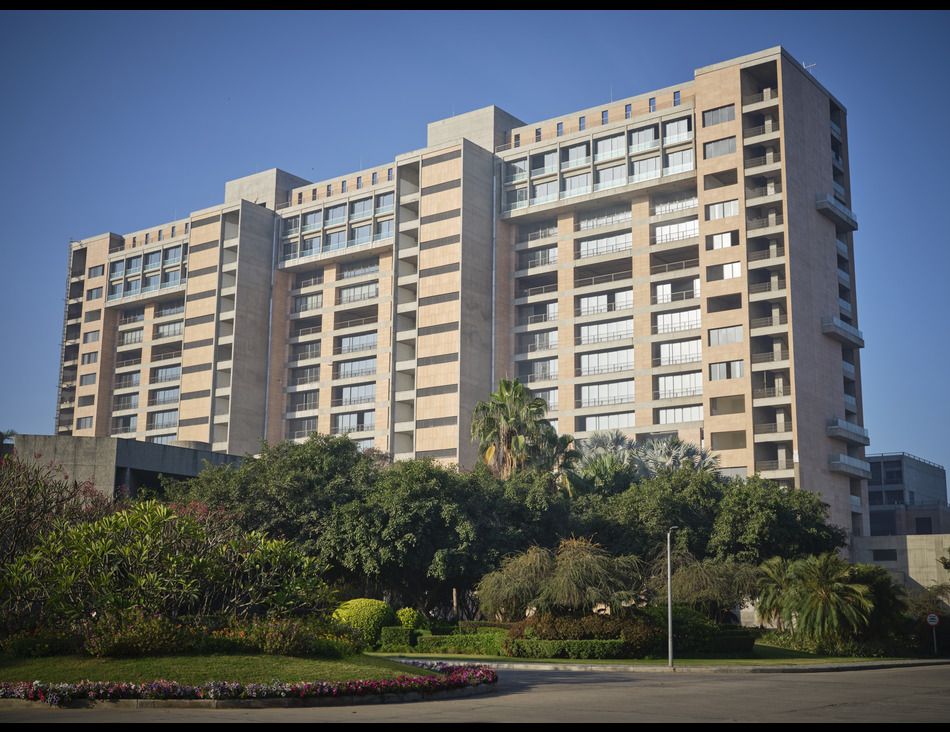
Ph.D. in Biochemistry from NIRMA University: Eligibility, Entrance Exam, Fee Structure, Admission Process, Subjects, Research Areas, Syllabus, Scholarship & Career Scope
Introduction about Ph.D. in Biochemistry at NIRMA University
Embarking on a doctoral journey in Biochemistry at NIRMA University opens the gateway to cutting?edge research, innovative collaborations, and a thriving academic community. Recognised for its state?of?the?art laboratories, multidisciplinary faculty, and strong industry linkages, NIRMA University equips aspiring scientists with the expertise required to decode molecular mechanisms, develop therapeutic agents, and contribute to the global knowledge pool. Whether your ambition lies in academia, pharmaceuticals, biotech entrepreneurship, or advanced research, a Ph.D. in Biochemistry from NIRMA is a launchpad for transformational impact.
Eligibility Criteria for Ph.D. in Biochemistry at NIRMA University
Prospective candidates must demonstrate a solid academic foundation in life sciences. The core eligibility requirements are:
- Master?s degree (M.Sc., M.Pharm., M.Tech.) in Biochemistry, Molecular Biology, Biotechnology, or a closely related discipline with a minimum of 55% aggregate (or equivalent CGPA). For SC/ST/PwD candidates, the cut?off is relaxed to 50%.
- Qualifying national-level entrance examinations such as CSIR?NET, GATE, UGC?NET, or the university?s own Ph.D. entrance test.
- Proficiency in English (TOEFL/IELTS not mandatory for Indian nationals, but recommended for international scholars).
- Submission of a research proposal that aligns with the university?s strategic research themes.
Applicants holding a B.Tech/B.E. in Biotechnology with an additional 2?year research experience may also be considered under the Direct Ph.D. pathway.
Entrance Exam for Ph.D. in Biochemistry at NIRMA University
The entrance examination evaluates both theoretical knowledge and research aptitude. The structure comprises:
- Part?A (Objective): 60 multiple?choice questions covering General Chemistry, Organic Chemistry, Cell Biology, Enzymology, Molecular Genetics, and Biophysical Techniques (90 minutes).
- Part?B (Descriptive): Two essay?type questions focusing on experimental design, data interpretation, and critical analysis of contemporary research articles (60 minutes).
- Interview & Proposal Defense: Shortlisted candidates present their research proposal before a panel of experts, followed by a viva?voce to assess motivation, originality, and feasibility.
Preparation resources include the PhD Admission Assistance service, which offers mock tests and interview coaching tailored to the NIRMA format.
Fee Structure for Ph.D. in Biochemistry at NIRMA University
| Component | Annual Fee (INR) | Notes |
|---|---|---|
| Tuition & Laboratory Charges | 1,20,000 | Includes access to core facilities and reagents |
| Library & ICT Services | 10,000 | Digital resources, journal subscriptions |
| Research Project Grant (Optional) | 30,000 | Allocated for consumables and travel |
| Examination & Evaluation Fee | 5,000 | End?semester assessments and thesis submission |
| Total (Approx.) | 1,65,000 | Subject to revisions each academic year |
Scholarships, stipends, and research assistantships can substantially offset these costs, especially for merit?based candidates.
Admission Process for Ph.D. in Biochemistry at NIRMA University
The admission cycle follows a streamlined, transparent workflow:
- Online Application: Complete the digital form on the university portal, upload academic transcripts, and pay a nominal processing fee.
- Document Verification: The admissions office validates certificates, identity proof, and research proposal.
- Entrance Examination: Sit for the written test (or submit qualifying scores from national exams).
- Interview & Proposal Defense: A panel evaluates research alignment and scholarly potential.
- Final Selection & Offer Letter: Successful candidates receive an official admission letter with fee details and enrollment instructions.
Throughout this journey, candidates may benefit from Editing and Proofreading Services to refine their research proposals and CVs.
Ph.D. Subjects and Specializations in Biochemistry at NIRMA University
NIRMA University offers a diversified portfolio of specializations, enabling scholars to tailor their doctoral research to personal interests and market demand:
- Enzymology & Metabolic Engineering
- Structural Biology & Protein Design
- Bioinformatics & Computational Biochemistry
- Neurobiochemistry & Signal Transduction
- Plant Biochemistry & Crop Improvement
- Clinical Biochemistry & Biomarker Discovery
Research Areas in Biochemistry at NIRMA University
The university?s research ecosystem emphasizes translational science and interdisciplinary collaboration. Key focus areas include:
- Drug Discovery & Design: High?throughput screening, ligand?based modeling, and pharmacodynamics.
- Proteomics & Metabolomics: Mass?spectrometry, quantitative analysis, and system biology integration.
- Synthetic Biology: Construction of novel biosynthetic pathways for sustainable chemicals.
- Nanobiotechnology: Development of nanocarriers for targeted delivery and diagnostic imaging.
- Environmental Biochemistry: Bioremediation, biofuel production, and climate?resilient enzymes.
Documents Required for Ph.D. in Biochemistry at NIRMA University
| Document | Requirement | Format |
|---|---|---|
| Academic Transcripts | Master?s & Bachelor?s degree certificates with marksheets | PDF (scanned) |
| Entrance Exam Scorecard | CSIR?NET/GATE/UGC?NET or NIRMA test | |
| Research Proposal | 2?3 page document outlining objectives, methodology, and expected outcomes | DOCX/PDF |
| Curriculum Vitae (CV) | Academic and professional achievements, publications, and conferences | |
| Letter of Recommendation (2) | From academic supervisors or industry mentors | |
| Identity Proof | Aadhaar / Passport |
NIRMA University Ph.D. Syllabus for Biochemistry
The curriculum balances core coursework with intensive research training. Core modules (Year?1) include:
- Advanced Enzymology and Kinetics
- Structural Biology Techniques (X?ray, NMR, Cryo?EM)
- Bioinformatics Tools for Protein Modeling
- Research Ethics, Scientific Writing, and Data Management
From Year?2 onward, students focus on electives, lab rotations, and their dissertation project under the mentorship of a faculty advisor. Regular seminars, journal clubs, and collaborative workshops ensure continuous skill enhancement.
How To Apply for Ph.D. in Biochemistry at NIRMA University
Applying is straightforward:
- Visit the official NIRMA University admissions portal.
- Create an account and fill in personal, academic, and contact details.
- Upload the required documents (refer to the table above).
- Pay the non?refundable application fee (??2,000).
- Schedule the entrance examination or submit valid national?level test scores.
- Await the interview invitation and prepare your proposal presentation.
For assistance with proposal drafting, consider the PhD Topic Selection and Proposal Assistance service, which offers expert feedback and alignment with NIRMA?s research priorities.
Career Scope and Job Opportunities After Ph.D. in Biochemistry from NIRMA University
A doctorate in Biochemistry unlocks a spectrum of career pathways:
- Academic Positions: Lecturer, Assistant Professor, Research Fellow, or Principal Investigator in universities and research institutes.
- Industry Roles: R&D Scientist, Process Development Engineer, Quality Control Analyst, or Molecular Diagnostics Specialist in pharma, biotech, and agro?chemical firms.
- Entrepreneurship: Founder of a biotech startup focusing on enzyme engineering, diagnostics








