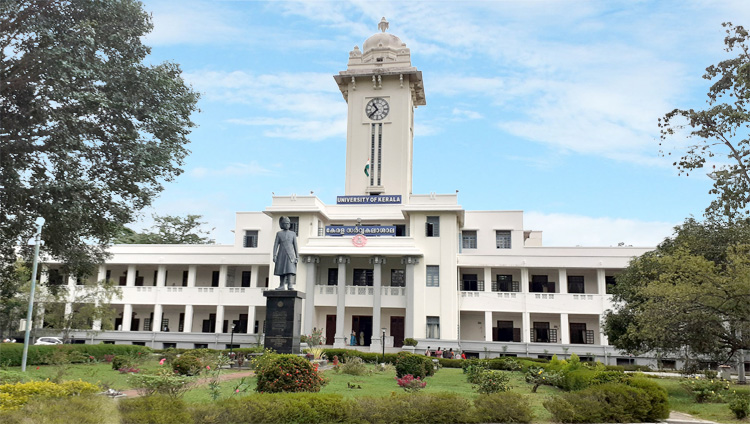
Introduction about Ph.D. in Bioinformatics at Kerala University
Kerala University has emerged as a premier hub for cutting?edge research in computational biology and data?driven life sciences. The Ph.D. in Bioinformatics program blends rigorous theoretical foundations with hands?on laboratory and cloud?based analytics, empowering professionals to decode complex biological systems. Whether you aspire to lead interdisciplinary projects in genomics, drug discovery, or health informatics, this doctorate offers a transformative platform to translate data into decisive scientific breakthroughs.
Eligibility Criteria for Ph.D. in Bioinformatics at Kerala University
- Minimum of a Master?s degree in Bioinformatics, Biotechnology, Computer Science, Molecular Biology or a related discipline with at least 55% aggregate (or CGPA equivalent).
- Qualified in the university?approved entrance test (or national level exam such as NET, GATE, CSIR?UGC).
- Candidates must possess a strong foundation in statistics, programming (Python/R), and molecular genetics.
- International applicants should provide equivalence certificates from the Ministry of Education, India.
Entrance Exam for Ph.D. in Bioinformatics at Kerala University
The entrance examination evaluates both subject?specific competence and research aptitude:
- Written Test (100 marks): Topics include algorithms, genomics, proteomics, statistical modeling, and database management.
- Interview (30 marks): Panel assesses research proposal, analytical thinking, and alignment with faculty expertise.
- Applicants with a valid NET or GATE score may be exempted from the written test.
Fee Structure for Ph.D. in Bioinformatics at Kerala University
| Component | Annual Fee (INR) | Notes |
|---|---|---|
| Tuition & Lab Charges | 30,000 | Includes access to high?performance clusters and wet?lab facilities. |
| Library & Resource Subscriptions | 5,000 | Unlimited access to J-STOR, PubMed, and IEEE Xplore. |
| Examination & Evaluation | 7,500 | Mid?term and final assessment fees. |
| Miscellaneous (Student Services) | 2,500 | Campus activities, counseling, and administrative support. |
| Total Approximate Cost (per year) | 45,000 | Subject to revision each academic session. |
Admission Process for Ph.D. in Bioinformatics at Kerala University
- Online Application: Fill the e?portal form, upload academic transcripts, research proposal, and supporting documents.
- Entrance Examination: Appear for the written test or submit valid NET/GATE scores.
- Interview & Proposal Review: Shortlisted candidates present their research plan before the faculty board.
- Offer Letter & Registration: Upon selection, accept the admission offer, pay the initial fee, and register for the semester.
- Orientation: Attend the mandatory induction program covering ethics, data handling, and laboratory safety.
Ph.D. Subjects and Specializations in Bioinformatics at Kerala University
- Computational Genomics & Epigenomics
- Structural Bioinformatics & Molecular Modeling
- Systems Biology & Network Analysis
- Health Informatics & Clinical Data Mining
- Artificial Intelligence for Biological Data
Research Areas in Bioinformatics at Kerala University
Kerala University encourages interdisciplinary research that tackles real?world challenges. Prominent domains include:
- Precision Medicine: Developing predictive models for patient?specific therapy response.
- Crop Genomics: Leveraging big data to enhance stress resistance in agricultural species.
- Infectious Disease Surveillance: Bioinformatic pipelines for rapid pathogen detection and tracking.
- Drug Repurposing: Computational screening of existing compounds against emerging targets.
- Data Integration Platforms: Building interoperable databases that combine omics, clinical, and environmental data.
Documents Required for Ph.D. in Bioinformatics at Kerala University
| Document | Format | Remarks |
|---|---|---|
| Academic Transcripts (M.Sc./M.Tech) | PDF (scanned) | Certified copies required. |
| Research Proposal (max 2000 words) | DOCX or PDF | Must align with faculty interests. |
| NET/GATE Scorecard (if applicable) | Original scorecard, not a summary. | |
| Curriculum Vitae | Include publications, projects, and patents. | |
| Letter of Recommendation (2) | From academic supervisors or industry mentors. |
Kerala University Ph.D. Syllabus for Bioinformatics
The syllabus is designed to build a robust theoretical base while fostering practical expertise:
- Advanced Algorithms for Biological Data
- Statistical Genetics and Population Genomics
- Machine Learning in Life Sciences
- High?Throughput Sequencing Technologies
- Database Design and Data Mining
- Ethics, Data Privacy, and Regulatory Frameworks
- Research Methodology & Scientific Writing
How To Apply for Ph.D. in Bioinformatics at Kerala University
- Visit the official Kerala University admissions portal.
- Create a user profile and fill in personal details.
- Upload all required documents (see the table above).
- Select ?Ph.D. in Bioinformatics? from the program list.
- Pay the non?refundable application fee (? 1,500) via net banking or UPI.
- Submit the application and note the generated reference number.
- Monitor your email for admit card, exam schedule, and interview invitation.
Career Scope and Job Opportunities After Ph.D. in Bioinformatics from Kerala University
Graduates emerge as sought?after experts capable of navigating the intersection of biology and data science. Potential career trajectories include:
- Senior Bioinformatics Scientist ? Pharmaceutical & biotech firms.
- Computational Genomics Lead ? Research institutes and national labs.
- Data Scientist (Healthcare) ? Hospitals and health?tech startups.
- Academic Faculty ? Lecturer/Assistant Professor with research funding.
- Consultant ? Providing strategic insights for drug discovery pipelines.
- Entrepreneur ? Founding data?driven biotech ventures.
According to industry reports, the global bioinformatics market is projected to exceed USD 25?billion by 2030, translating into a sustained demand for doctorate?level talent.
Scholarship for Ph.D. in Bioinformatics at Kerala University
Kerala University offers merit?based and need?based financial assistance. Key scholarship schemes include:
- University Fellowship: Full tuition waiver and monthly stipend of ? 12,000.
- UGC?CSIR Junior Research Fellowship (JRF): Competitive national award covering tuition and a stipend of ? 31,000 per month.
- State Government Scholarship: Partial fee remission for students from economically weaker sections.
- Industry?Sponsored Grants: Collaboration projects with biotech companies that fund research expenses.
FAQs Regarding Ph.D. in Bioinformatics at Kerala University
- 1. Can I enroll part?time while working?
- Yes, the university provides a flexible part?time schedule for professionals, with project milestones aligned to industry timelines.
- 2. Is there a provision for publishing my research during the Ph.D.?
- Absolutely. The program mandates at least two peer?reviewed journal articles before dissertation submission. Research Publication Support services are available to guide manuscript preparation.
- 3. How long does it typically take to complete the doctorate?
- The standard duration is 3?4 years, contingent on research progress and publication requirements.
- 4. Are there any collaborations with international universities?
- Kerala University maintains MoUs with several global institutions, enabling joint supervision, exchange visits, and co?authored publications.
- 5. What if my project proposal is not approved?
- You may revise the proposal in consultation with the faculty panel or select an alternative research theme within the bioinformatics spectrum.
- 6. Can I receive assistance in drafting my Ph.D. topic?
- Yes, expert guidance is offered through PhD Topic Selection and Proposal Assistance to refine your research question and objectives.
- 7. Is there support for editing my dissertation?
- Professional Editing and Proofreading Services are available to ensure your final manuscript meets international standards.
- 8. Are there options for honorary degrees?
- The university also administers Honorary Doctorate Programs for distinguished contributors to science and technology.
- 9. How can I file a patent for my research invention?
- Qualified candidates can access Patent Filing and Support Services to protect intellectual property arising from their work.
- 10. What steps are involved in Ph.D. admission assistance?
- Comprehensive guidance is provided through PhD Admission Assistance, covering application drafting, document verification, and interview preparation.








