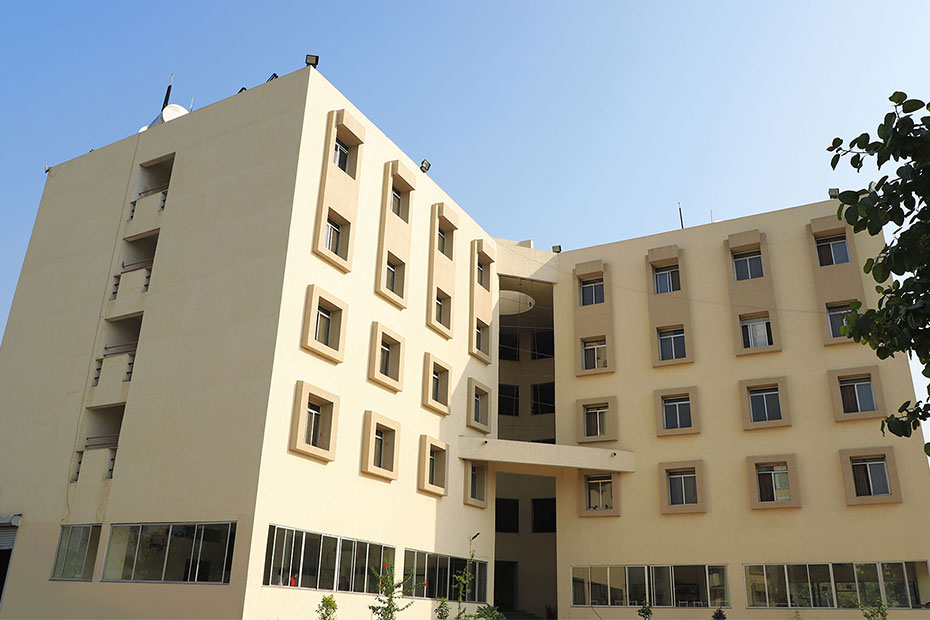
Ph.D. in Biology at Indus University
Introduction about Ph.D. in Biology at Indus University
Indus University offers a cutting‑edge Doctor of Philosophy (Ph.D.) in Biology designed for seasoned professionals who aspire to lead innovative research and academic excellence. The program blends rigorous coursework, advanced laboratory training, and mentorship from globally recognized faculty, empowering scholars to make transformative contributions in biotechnology, ecology, genomics, and beyond.
Eligibility Criteria for Ph.D. in Biology at Indus University
- Master’s degree (M.Sc., M.Phil., or equivalent) in Biology or a closely related discipline with a minimum aggregate of 55% (or CGPA ≥ 5.5/10).
- Valid GATE/NET score (Biology/ Biotechnology) is highly preferred but not mandatory.
- English proficiency: TOEFL ≥ 80 or IELTS ≥ 6.5 for international candidates.
- Demonstrated research experience through publications, conference presentations, or internships.
Entrance Exam for Ph.D. in Biology at Indus University
Prospective candidates may be required to clear the Indus University Ph.D. Entrance Test (IUPET) or present a valid national level score (GATE/NET). The test evaluates:
- Fundamental concepts in molecular biology, genetics, and ecology.
- Analytical skills through data interpretation and problem‑solving questions.
- Research aptitude via a statement of purpose and interview.
Successful candidates receive a personalized interview schedule where they discuss their research interests with potential supervisors.
Fee Structure for Ph.D. in Biology at Indus University
| Component | Annual Fee (INR) | Remarks |
|---|---|---|
| Tuition & Laboratory Charges | 80,000 | Includes access to core facilities and consumables. |
| Research Scholarship Deduction | -30,000 | Applicable for candidates selected for university‑funded scholarships. |
| Annual Library & Digital Resource Fee | 5,000 | Unlimited access to journals, databases, and e‑books. |
| Miscellaneous (Workshops, Seminars) | 2,500 | Covering participation in national and international events. |
| Total Payable (Approx.) | 57,500 | After scholarship deduction. |
Admission Process for Ph.D. in Biology at Indus University
- Online Application: Submit the digital application form via the university portal.
- Upload Documents: Attach scanned copies of academic transcripts, GATE/NET scorecard, and research proposal.
- Entrance Evaluation: Appear for IUPET or submit national test scores.
- Interview: Participate in a faculty interview and research match session.
- Final Offer: Receive the admission letter with details on fee payment and scholarship eligibility.
Ph.D. Subjects and Specializations in Biology at Indus University
Students can tailor their doctorate across a spectrum of emerging fields:
- Molecular Genetics & Genomics
- Cellular & Developmental Biology
- Environmental & Conservation Biology
- Microbial Biotechnology
- Neurobiology & Behavioral Sciences
- Bioinformatics & Computational Biology
Research Areas in Biology at Indus University
Indus University’s state‑of‑the‑art research clusters focus on:
- CRISPR‑Based Gene Editing for disease resistance.
- Climate‑smart agriculture and sustainable ecosystems.
- Marine bioprospecting and marine microbiome analysis.
- Systems biology and pathway modeling.
- Vaccinology and emerging infectious diseases.
Documents Required for Ph.D. in Biology at Indus University
| Document | Format | Remarks |
|---|---|---|
| Academic Transcripts (Master’s) | PDF (scanned) | Officially sealed and signed. |
| GATE/NET Score Card | Valid for the current admission cycle. | |
| Research Proposal (2,000 words) | DOCX or PDF | Outline objectives, methodology, and expected outcomes. |
| Curriculum Vitae | Highlight publications, patents, and projects. | |
| Letters of Recommendation (2) | From academic or industry mentors. | |
| Proof of English Proficiency | TOEFL/IELTS score report (if applicable). |
Indus University Ph.D. Syllabus for Biology
The curriculum combines core modules with research immersion:
- Advanced Molecular Techniques
- Statistical Methods for Biological Data
- Ethics in Scientific Research
- Seminar Series: Emerging Trends in Biology
- Dissertation Writing Workshops (linking to Thesis and Dissertation Writing Services)
How To Apply for Ph.D. in Biology at Indus University
Follow these streamlined steps to submit a successful application:
- Visit the official Indus University admissions portal.
- Create an account and fill out the personal details.
- Upload all required documents (refer to the Documents Required table).
- Pay the non‑refundable application fee of INR 2,000 through the integrated payment gateway.
- Submit the application and note the generated reference number for future correspondence.
Career Scope and Job Opportunities After Ph.D. in Biology from Indus University
Graduates emerge as highly sought‑after experts with opportunities in:
- Academic positions – Assistant Professor, Post‑Doctoral Fellow.
- Research & Development in biotech firms, pharma companies, and agriscience corporations.
- Leadership roles in government research agencies (ICAR, CSIR) and NGOs focusing on environmental sustainability.
- Data science and bioinformatics consultancy (leveraging Research Data Analysis Services).
- Intellectual property and patent strategy for biotech innovations.
Scholarship for Ph.D. in Biology at Indus University
Indus University provides merit‑based and need‑based scholarships covering up to 50% of tuition fees. Additionally, candidates can apply for external fellowships such as the UGC–CSIR JRF and industry‑sponsored grants. Scholarship recipients also benefit from free access to Research Paper Writing Services and specialized training workshops.
FAQs Regarding Ph.D. in Biology at Indus University
- Can I pursue the Ph.D. part‑time while working?
- Yes, the university offers a flexible part‑time mode for qualified professionals with a minimum of 20 hours per week dedicated to research.
- Is there a provision for collaborative research with foreign universities?
- Indus University has MoUs with several international institutions, allowing joint supervision and exchange programs.
- What is the typical duration of the Ph.D. program?
- The program is designed for completion within 3–5 years, depending on research progress and publication requirements.
- Do I receive a stipend during my doctoral studies?
- All scholarship awardees receive a monthly stipend, and non‑scholarship students may apply for university‑funded research assistantships.
- How does the university support dissertation writing?
- Students gain access to dedicated writing workshops and Questionnaire Design and Development tools to streamline data collection for their thesis.








