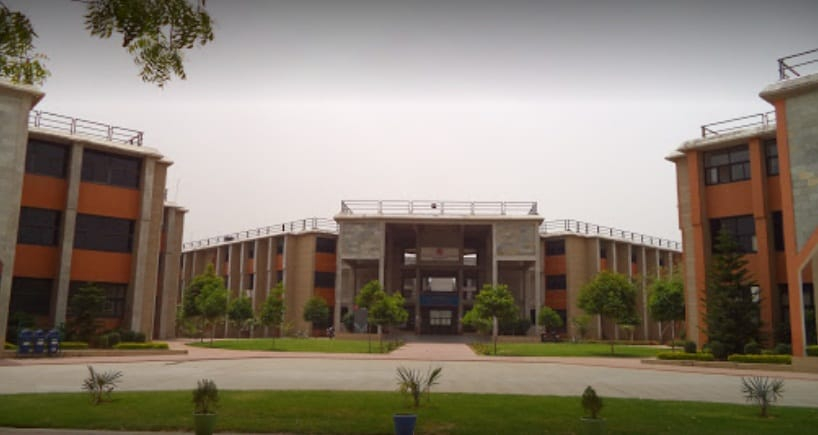
Ph.D. in Biotechnology from Ganpat University: Eligibility, Entrance Exam, Fee Structure, Admission Process, Subjects, Research Areas, Syllabus, Scholarship & Career Scope
Introduction about Ph.D. in Biotechnology at Ganpat University
Pursuing a Ph.D. in Biotechnology at Ganpat University opens doors to cutting‑edge research, industry collaborations, and academic excellence. The program is designed for professionals who aspire to become thought leaders in areas such as genetic engineering, bioinformatics, pharmaceutical biotechnology, and sustainable agriculture. With state‑of‑the‑art laboratories, experienced faculty, and a robust research ecosystem, Ganpat University empowers scholars to transform scientific curiosity into transformative solutions.
Eligibility Criteria for Ph.D. in Biotechnology at Ganpat University
- Master’s degree (M.Sc., M.Tech., M.Pharm., or equivalent) in Biotechnology, Molecular Biology, Biochemistry, or a closely related discipline with a minimum of 55% aggregate (or 5.5 CGPA) for regular candidates.
- For candidates with a UG degree (B.Sc. / B.Tech.) in a relevant field, a valid GATE/CSIR‑NET/UGC‑NET score is mandatory.
- Minimum age of 21 years at the time of admission.
- Candidates must meet the language proficiency requirement for English (minimum 6.0 IELTS or equivalent, if applicable).
Entrance Exam for Ph.D. in Biotechnology at Ganpat University
Ganpat University conducts its own entrance test, the Ganpat University Ph.D. Biotechnology Entrance Examination (GU‑BIOTECHET). The exam evaluates:
- Fundamental concepts in molecular biology, genetics, and biochemistry.
- Analytical and problem‑solving abilities.
- Research aptitude and scientific writing skills.
Qualifying candidates may also be admitted based on national level scores such as GATE, CSIR‑NET, or UGC‑NET, provided they satisfy the university’s minimum cutoff.
Fee Structure for Ph.D. in Biotechnology at Ganpat University
| Component | Annual Fee (INR) | Notes |
|---|---|---|
| Tuition & Laboratory Charges | 55,000 | Includes access to core and advanced labs. |
| Annual Examination & Evaluation Fee | 8,000 | Covering internal assessments and viva. |
| Library & Resource Access | 4,000 | Digital and physical resources. |
| Research Project Funding (Optional) | Varies | Based on project scope and external grants. |
| Total Approximate Cost (per year) | 67,000 | Excluding optional project funding. |
Admission Process for Ph.D. in Biotechnology at Ganpat University
- Online Application: Complete the application form on the university portal and upload required documents.
- Entrance Examination: Appear for GU‑BIOTECHET or submit valid national test scores.
- Interview & Proposal Review: Shortlisted candidates present a research proposal and undergo a faculty interview.
- Final Selection: Admission is granted based on merit, interview performance, and research alignment.
- Enrollment: Pay the fee, obtain a registration number, and commence coursework.
Ph.D. Subjects and Specializations in Biotechnology at Ganpat University
Students can tailor their doctorate to one of the following high‑impact specializations:
- Genetic Engineering and Recombinant DNA Technology
- Industrial & Enzymatic Biotechnology
- Medical Biotechnology and Drug Development
- Agricultural & Environmental Biotechnology
- Bioinformatics and Computational Biology
- Nanobiotechnology
Research Areas in Biotechnology at Ganpat University
Ganpat University’s research ecosystem focuses on interdisciplinary challenges:
- CRISPR‑Cas9 gene editing for disease resistance.
- Bioprocess optimization for large‑scale enzyme production.
- Vaccine development using recombinant protein platforms.
- Bioremediation of heavy metals and organic pollutants.
- Computational modeling of protein‑ligand interactions.
- Development of biosensors for rapid diagnostics.
Documents Required for Ph.D. in Biotechnology at Ganpat University
| Document | Details |
|---|---|
| Academic Transcripts | Certified copies of all post‑graduation and graduation marksheets. |
| Entrance Exam Scorecard | GU‑BIOTECHET or GATE/CSIR‑NET/UGC‑NET score report. |
| Research Proposal | 1500‑word document outlining objectives, methodology, and expected outcomes. |
| Letter of Recommendation | Two academic or professional references. |
| Identity Proof | Passport, Aadhar card, or driving license. |
| Passport‑Size Photograph | Recent color photograph (2 × 2 cm). |
Ganpat University Ph.D. Syllabus for Biotechnology
The doctoral syllabus blends coursework, seminars, and research milestones:
- Core Modules: Advanced Molecular Biology, Enzyme Kinetics, Biostatistics, Bioinformatics.
- Electives: Plant Tissue Culture, Bioprocess Engineering, Clinical Trials Design, Synthetic Biology.
- Research Workshops: Scientific Writing, Patent Drafting, Grant Proposal Development.
- Periodic Evaluations: Written exams, journal club presentations, and a comprehensive thesis defense.
How To Apply for Ph.D. in Biotechnology at Ganpat University
Follow these streamlined steps to submit your application:
- Visit the official Ganpat University Ph.D. Admissions portal.
- Create a user account and fill in personal, academic, and contact details.
- Upload scanned copies of all required documents (see “Documents Required” table).
- Pay the non‑refundable application fee via online banking or UPI.
- Submit the form and note the application reference number for future correspondence.
- Prepare for the entrance examination or arrange for your national test score verification.
Career Scope and Job Opportunities After Ph.D. in Biotechnology from Ganpat University
Graduates emerge as highly skilled professionals ready for diverse roles:
- Academic Positions: Assistant Professor, Lecturer, Research Fellow.
- Industry Roles: R&D Scientist, Process Development Manager, Bio‑product Manager.
- Government & Public Sector: Scientific Officer, Policy Analyst, Clinical Research Coordinator.
- Entrepreneurship: Founder of biotech start‑ups, consultancy services, or technology transfer offices.
- International Opportunities: Post‑doctoral fellowships, collaborative projects with global research institutes.
Salary packages typically range from INR 8 Lakhs to INR 20 Lakhs per annum, depending on the sector, experience, and specialization.
Scholarship for Ph.D. in Biotechnology at Ganpat University
Ganpat University offers merit‑based scholarships, industry‑sponsored fellowships, and government grants:
- Merit Scholarship: Up to 50% tuition waiver for top 10% of candidates.
- UGC‑JRF & SRF: Eligible candidates can apply for University Grants Commission Junior/ Senior Research Fellowships.
- Industry Fellowship: Partnerships with biotech firms provide project‑based funding and stipends.
- Research Grant Assistance: Guidance in applying for external grants (DST, DBT, BIRAC).
FAQs Regarding Ph.D. in Biotechnology at Ganpat University
- Q1: Can I pursue the Ph.D. part‑time while working?
- Yes. Ganpat University offers a flexible part‑time mode that allows professionals to continue their employment while completing research milestones.
- Q2: Is there a provision for foreign students?
- International candidates are welcomed. They must meet the same academic criteria and provide English proficiency proof (IELTS/TOEFL).
- Q3: How long does the Ph.D. program typically take?
- The minimum duration is 3 years, extendable up to 5 years based on research progress.
- Q4: What is the role of the research supervisor?
- The supervisor guides the candidate through proposal development, experimental design, data analysis, and manuscript preparation.
- Q5: Are there opportunities for interdisciplinary research?
- Absolutely. Collaborative projects with the Departments of Computer Science, Chemical Engineering, and Agriculture are encouraged.








