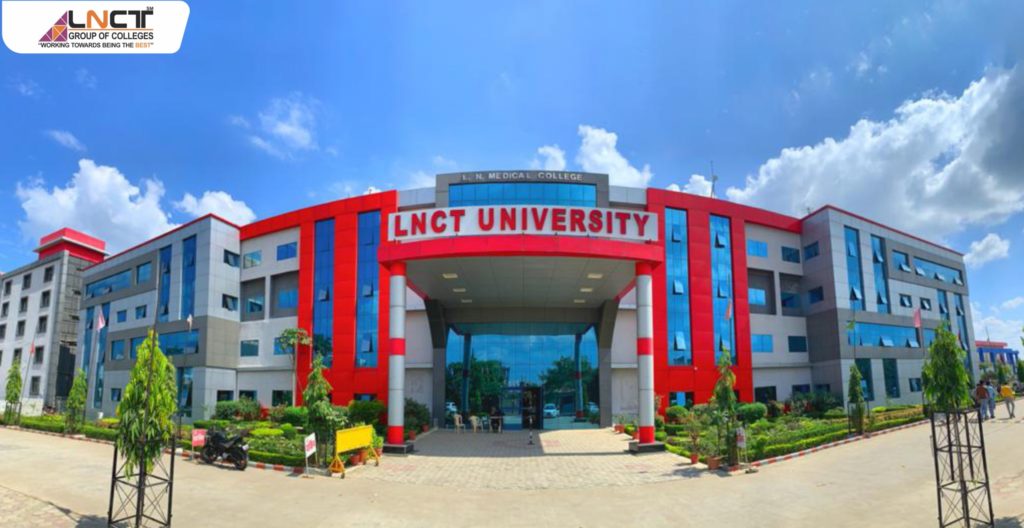
Ph.D. in Biotechnology from LNCT University: Eligibility, Entrance Exam, Fee Structure, Admission Process, Subjects, Research Areas, Syllabus, Scholarship & Career Scope
Introduction about Ph.D. in Biotechnology at LNCT University
Embarking on a Ph.D. in Biotechnology at LNCT University opens the door to cutting?edge research, interdisciplinary collaboration, and a career that shapes the future of health, agriculture, and industry. The programme blends rigorous coursework with hands?on laboratory work, empowering professionals to transform scientific insights into real?world solutions.
Eligibility Criteria for Ph.D. in Biotechnology at LNCT University
Prospective candidates must hold a master's degree (M.Sc., M.Tech., or equivalent) with a minimum of 55% aggregate (or 5.0 CGPA) in Biotechnology or a closely related discipline. Candidates with a stellar research record, publications in peer?reviewed journals, or a valid GATE score are given preferential consideration.
Entrance Exam for Ph.D. in Biotechnology at LNCT University
The university conducts its own written test evaluating core biotechnology concepts, analytical reasoning, and research aptitude. The exam consists of 100 multiple?choice questions over 2 hours. Candidates may also opt for a direct interview based on GATE/NET scores or outstanding academic achievements.
Fee Structure for Ph.D. in Biotechnology at LNCT University
| Component | Annual Cost (INR) | Notes |
|---|---|---|
| Tuition & Lab Fees | 45,000 | Includes access to state?of?the?art labs |
| Library & Resource Charges | 5,000 | Digital subscriptions and inter?library loans |
| Examination & Evaluation | 3,000 | Annual internal assessments |
| Miscellaneous (Student Services) | 2,000 | Workshops, seminars, and career services |
| Total Approx. per Year | 55,000 | Subject to annual revisions |
Admission Process for Ph.D. in Biotechnology at LNCT University
- Online application submission through the university portal.
- Upload scanned copies of academic transcripts, GATE/NET scorecard (if any), and research proposal.
- Pay the non?refundable application fee of INR 2,500.
- Qualify for the entrance examination or secure a direct interview based on credentials.
- Attend the written test and/or interview conducted by the Department of Biotechnology.
- Receive the admission offer letter with a detailed Admission Process timeline.
- Complete enrollment by submitting the fee receipt and required documents.
Ph.D. Subjects and Specializations in Biotechnology at LNCT University
Students can tailor their research journey across several high?impact specializations:
- Genetic Engineering & Synthetic Biology
- Bioinformatics & Computational Biology
- Industrial Biotechnology & Bioprocess Engineering
- Pharmacogenomics & Drug Discovery
- Environmental Biotechnology & Bioremediation
Research Areas in Biotechnology at LNCT University
The university's research ecosystem focuses on transformative domains such as:
- CRISPR?Cas genome editing for disease resistance.
- Metabolic pathway engineering for sustainable biofuels.
- Nanobiotechnology for targeted drug delivery.
- Plant?microbe interactions to enhance crop yield.
- Microbial bioremediation of industrial effluents.
Documents Required for Ph.D. in Biotechnology at LNCT University
| Document | Details |
|---|---|
| Academic Transcripts | Original mark sheets of Bachelor?s & Master?s degrees. |
| GATE/NET Scorecard | Valid score (if applicable). |
| Research Proposal | 2?3 page outline of intended research. |
| Curriculum Vitae | Professional and academic achievements. |
| Identity Proof | Passport or Aadhar Card copy. |
| Passport?Size Photographs | Four recent photographs. |
LNCT University Ph.D. Syllabus for Biotechnology
The curriculum blends core coursework with research milestones. Key modules include:
- Advanced Molecular Biology
- Biostatistics & Data Analytics
- Regulatory Affairs in Biotechnology
- Intellectual Property Rights for Biotech Innovations
- Seminar Series: Emerging Trends in Biotechnology
Students must complete a minimum of 30 credit hours of coursework before proceeding to their dissertation phase.
How To Apply for Ph.D. in Biotechnology at LNCT University
Begin the journey by visiting the official LNCT University portal, creating a user profile, and following the step?by?step How To Apply wizard. Ensure all documents are uploaded in PDF format, and double?check the application deadline?typically the first week of June for the autumn intake.
Career Scope and Job Opportunities After Ph.D. in Biotechnology from LNCT University
Graduates emerge as leaders in a spectrum of sectors:
- Research & Development (R&D) in pharmaceutical and biotech firms.
- Academic positions ? Lecturer, Assistant Professor, or Post?doctoral Fellow.
- Biotech start?ups focusing on synthetic biology, personalized medicine, or agri?tech.
- Regulatory and compliance roles within government agencies.
- Intellectual property consultancy and patent analysis.
According to industry surveys, Ph.D. holders command an average salary increase of 30?40% over master?s graduates, with many securing leadership roles within five years.
Scholarship for Ph.D. in Biotechnology at LNCT University
LNCT University offers merit?based scholarships covering up to 80% of tuition fees for candidates with a CGPA of 8.0 or higher. Additionally, the university partners with the Department of Science & Technology (DST) to provide research fellowships that include a monthly stipend of INR 31,000.
FAQs Regarding Ph.D. in Biotechnology at LNCT University
- What is the minimum qualifying mark for eligibility?
- Applicants need at least 55% aggregate in their master?s degree or a 5.0 CGPA on a 10?point scale.
- Can I pursue the Ph.D. part?time while working?
- Yes, LNCT University offers a flexible part?time mode that allows professionals to balance research with employment.
- Is a GATE score mandatory?
- No, but a valid GATE/NET score can waive the entrance exam and strengthen the application.
- How long does it take to complete the Ph.D.?
- The typical duration is 3?4 years, contingent upon research progress and publication requirements.
- Are there opportunities for international collaborations?
- Absolutely. The university has MoUs with several overseas institutions, facilitating joint research projects and exchange programs.








