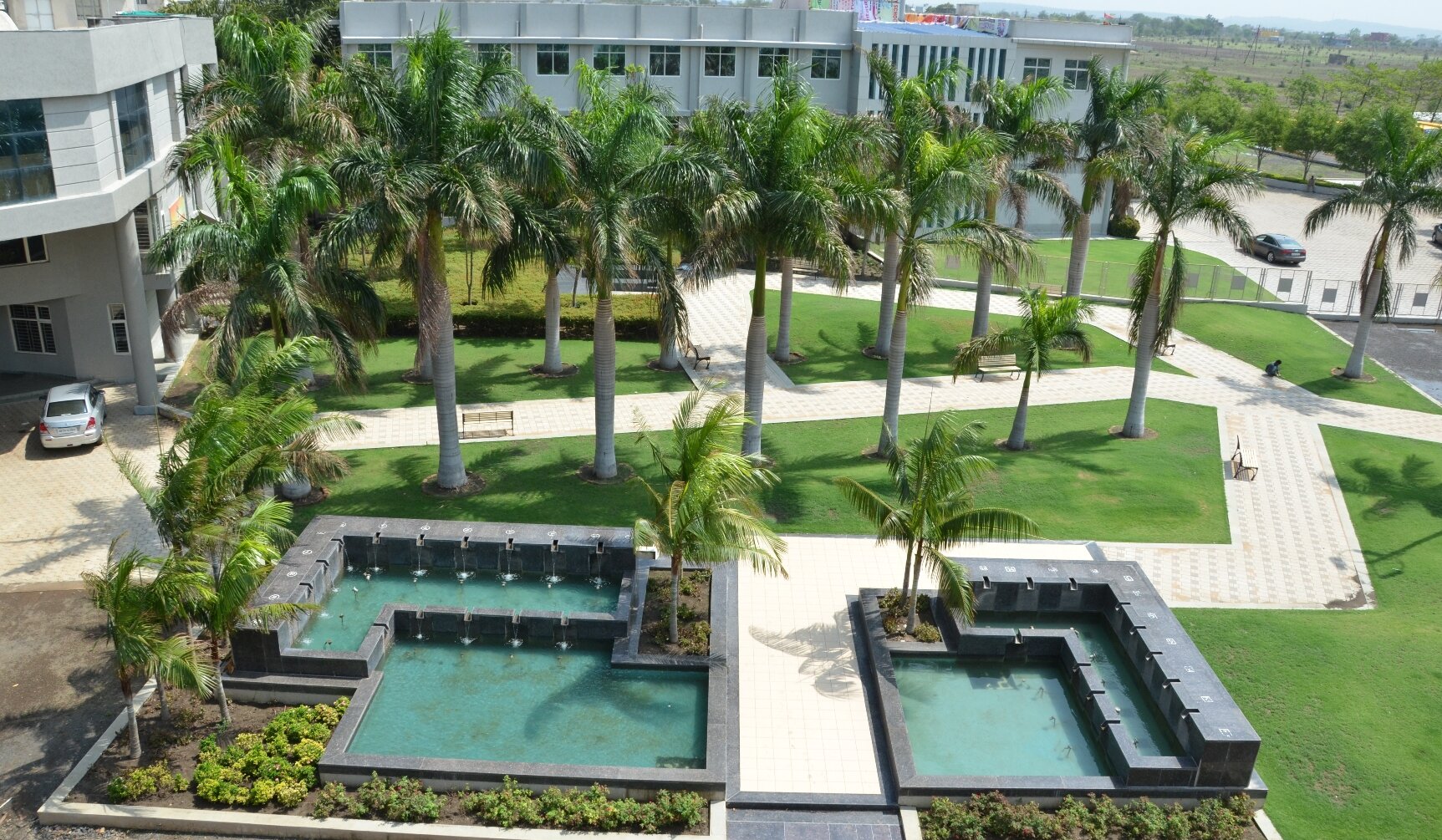
Ph.D. in Botany from I.E.S. University: Eligibility, Entrance Exam, Fee Structure, Admission Process, Subjects, Research Areas, Syllabus, Scholarship & Career Scope
Introduction about Ph.D. in Botany at I.E.S. University
The Doctor of Philosophy (Ph.D.) in Botany offered by I.E.S. University is a comprehensive research program designed for scholars aiming to contribute original knowledge to plant sciences. With state‑of‑the‑art laboratories, extensive herbarium collections, and collaborations with leading agricultural research institutes, the university empowers candidates to explore cutting‑edge topics ranging from molecular plant genetics to ecological restoration.
Eligibility Criteria for Ph.D. in Botany at I.E.S. University
- Master’s degree (M.Sc., M.Phil.) in Botany, Plant Biology, Agricultural Sciences or a related discipline with a minimum of 55% aggregate.
- Qualified in any national level entrance exam (UGC NET, CSIR NET, IES JRF) or university‑conducted Ph.D. entrance test.
- Minimum of two years of research or teaching experience (preferred, not mandatory).
- English language proficiency (IELTS/TOEFL) for international candidates.
Entrance Exam for Ph.D. in Botany at I.E.S. University
The entrance assessment comprises a written test and a personal interview. The written portion evaluates:
- Fundamental concepts in Plant Physiology, Taxonomy, and Ecology.
- Research methodology, statistics, and data analysis.
- Current trends in plant biotechnology and environmental science.
The interview focuses on the candidate’s research proposal, academic background, and motivation. Candidates holding a valid UGC NET or CSIR NET score are exempted from the written test.
Fee Structure for Ph.D. in Botany at I.E.S. University
| Component | Annual Fee (INR) | Notes |
|---|---|---|
| Tuition & Lab Charges | 45,000 | Includes access to Greenhouse and Molecular Lab |
| Library & Resource Fees | 5,000 | Digital journals and herbarium access |
| Examination & Evaluation | 2,500 | Annual assessment and viva voce |
| Miscellaneous (Student Welfare) | 3,500 | Sports, cultural activities, and counseling |
| Total Approx. | 56,000 |
Admission Process for Ph.D. in Botany at I.E.S. University
- Online Application Submission through the university portal.
- Upload scanned copies of academic transcripts, entrance exam scores, and research proposal.
- Pay the non‑refundable application fee (₹2,000).
- Appear for the entrance examination (if applicable) followed by a personal interview.
- Receive the admission offer letter via email.
- Complete enrollment by submitting original documents and paying the first year’s fee.
Ph.D. Subjects and Specializations in Botany at I.E.S. University
Candidates can specialize in one of the following domains:
- Plant Molecular Biology & Genetics
- Plant Physiology & Biochemistry
- Plant Ecology & Conservation
- Agricultural Biotechnology
- Phytochemistry & Medicinal Plants
- Plant Pathology & Plant‑Microbe Interactions
Research Areas in Botany at I.E.S. University
The university’s research ecosystem encourages interdisciplinary investigations such as:
- CRISPR‑mediated crop improvement.
- Climate‑resilient plant breeding.
- Phytoremediation of heavy‑metal contaminated soils.
- Secondary metabolite profiling for drug discovery.
- Conservation of endemic and endangered flora.
- Plant‑based biofuels and sustainable agriculture.
Documents Required for Ph.D. in Botany at I.E.S. University
| Document | Details |
|---|---|
| Academic Transcripts | Certified copies of B.Sc. and M.Sc. mark sheets. |
| Entrance Exam Scorecard | UGC NET, CSIR NET, or university test result. |
| Research Proposal | 500–800 words outlining objectives, methodology, and expected outcomes. |
| Identity Proof | Aadhaar card, passport or driver’s license. |
| Curriculum Vitae | Academic and professional achievements, publications, and conferences. |
I.E.S. University Ph.D. Syllabus for Botany
The syllabus is structured into three phases:
- Coursework (Year 1) – Advanced modules on Plant Anatomy, Genetics, Biostatistics, Research Ethics, and Laboratory Techniques.
- Comprehensive Examination (End of Year 1) – Written and oral assessment covering core concepts.
- Dissertation Research (Years 2‑4) – Original research, data collection, analysis, and thesis writing under faculty supervision.
How To Apply for Ph.D. in Botany at I.E.S. University
Visit the official admissions portal, register with a valid email address, and follow the step‑by‑step wizard. Ensure that all PDF uploads meet the size limit (maximum 2 MB). After successful submission, you will receive a confirmation number to track your application status.
Career Scope and Job Opportunities After Ph.D. in Botany from I.E.S. University
Graduates are equipped for high‑impact roles such as:
- Research Scientist in national agricultural research institutes (e.g., ICAR, NABG).
- Faculty positions (Assistant/Associate Professor) in universities and colleges.
- Biotechnologist in agro‑industry firms focusing on seed technology and plant tissue culture.
- Conservation Officer for governmental and non‑governmental organizations.
- Policy Analyst for environmental ministries and international NGOs.
- Entrepreneur in plant‑based product development and sustainable agriculture start‑ups.
Scholarship for Ph.D. in Botany at I.E.S. University
The university offers merit‑based scholarships covering up to 100% of tuition fees, along with a monthly stipend of ₹12,000 for living expenses. Additional funding is available through:
- UGC‑JRF/NET fellowships.
- ICAR research grants.
- Project‑based assistantships with industry partners.
FAQs Regarding Ph.D. in Botany at I.E.S. University
- Q1: Can I pursue the Ph.D. part‑time while working?
- Yes. I.E.S. University permits part‑time registration for candidates employed in research‑oriented positions, provided they meet the attendance and progress criteria.
- Q2: Is there a provision for foreign students?
- International candidates are welcome. They must satisfy the English proficiency requirement and obtain a Student Visa before enrollment.
- Q3: How long does it take to complete the Ph.D.?
- The typical duration is 3–4 years, depending on research progress and publication requirements.
- Q4: Are there opportunities for interdisciplinary research?
- Absolutely. The university encourages collaborations across departments such as Biotechnology, Environmental Science, and Data Analytics.
- Q5: What support is available for thesis writing?
- Students can avail professional assistance from services like Thesis and Dissertation Writing Services, Research Data Analysis Services, Research Paper Writing Services and Questionnaire Design and Development to enhance the quality of their dissertations.








