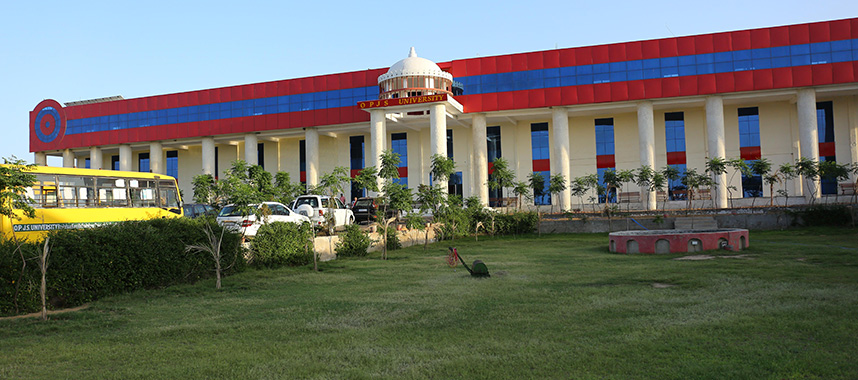
Ph.D. in Botany at OPJS University: Eligibility, Entrance Exam, Fee Structure, Admission Process, Subjects, Research Areas, Syllabus, Scholarship & Career Scope
Introduction about Ph.D. in Botany at OPJS University
Embarking on a Doctorate in Botany at OPJS University opens a gateway to cutting‑edge plant science research, leadership in academia, and impactful careers in biotechnology, environmental consultancy, and agritech. Recognised for its state‑of‑the‑art laboratories, interdisciplinary collaborations, and a visionary faculty, OPJS University empowers aspiring botanists to transform their curiosity into world‑changing discoveries. Whether you aim to decode plant genome sequences, develop climate‑resilient crops, or pioneer sustainable ecosystems, the Ph.D. program offers a rigorous curriculum blended with practical research exposure.
Eligibility Criteria for Ph.D. in Botany at OPJS University
- Master’s degree (M.Sc., M.Sc. (Botany), M.Sc. (Plant Sciences) or equivalent) with a minimum of 55% aggregate from a recognised university.
- For candidates holding a UG+PG total of 10 years (e.g., B.Sc. + M.Sc.) an aggregate of 50% is acceptable.
- Valid GATE or NET score in Botany or related discipline (optional but provides merit advantage).
- Proficiency in English (minimum IELTS 6.0 or TOEFL 80 for international candidates).
- Commitment to full‑time research for a minimum of 3 years.
Entrance Exam for Ph.D. in Botany at OPJS University
OPJS University conducts its own Ph.D. Entrance Test twice a year (June & December). The exam evaluates:
- Fundamental concepts in Plant Physiology, Taxonomy, Genetics, and Ecology.
- Research aptitude and analytical skills through case‑study questions.
- English communication ability (writing and comprehension).
Candidates with valid GATE/NET scores are exempted from the written test but must appear for an Interview & Proposal Defence.
Fee Structure for Ph.D. in Botany at OPJS University
| Component | Annual Fee (INR) | Notes |
|---|---|---|
| Tuition & Lab Charges | 45,000 | Includes access to greenhouse, microscopy suites, and bio‑informatics labs. |
| Research Material & Consumables | 20,000 | Estimated based on standard project requirements. |
| Library & Digital Resources | 5,000 | Unlimited e‑journal and database access. |
| Administrative & Examination Fees | 7,500 | One‑time fee during the first semester. |
| Total Approximate Cost (3‑Year Programme) | 219,000 | Subject to revision each academic year. |
Admission Process for Ph.D. in Botany at OPJS University
- Online Application: Fill the Ph.D. application form on the university portal and upload scanned documents.
- Entrance Examination: Appear for the university‑held test or submit GATE/NET scores.
- Interview & Proposal Presentation: Shortlisted candidates present a research proposal to a panel of experts.
- Admission Offer: Successful candidates receive an official admission letter with fee payment instructions.
- Registration & Orientation: Complete fee payment, register for courses, and attend the research orientation program.
Ph.D. Subjects and Specializations in Botany at OPJS University
The doctorate offers a spectrum of specializations, enabling candidates to align their research with global challenges:
- Plant Molecular Biology & Genomics
- Plant Biotechnology & Genetic Engineering
- Ecology, Conservation, and Sustainable Management
- Plant Pathology & Phytopathogenic Interactions
- Ethnobotany & Medicinal Plant Research
- Crop Physiology & Climate‑Smart Agriculture
Research Areas in Botany at OPJS University
Faculty‑driven research clusters focus on high‑impact domains such as:
- CRISPR‑based gene editing for stress tolerance.
- Phytoremediation of heavy metals and polluted soils.
- Metabolomic profiling of bioactive compounds in medicinal plants.
- Plant‑microbe symbiosis and soil health.
- Digital phenotyping and remote sensing in precision agriculture.
- Conservation genetics of endangered flora.
Documents Required for Ph.D. in Botany at OPJS University
| Document | Format | Remarks |
|---|---|---|
| Academic Transcripts (M.Sc. & B.Sc.) | PDF, Certified Copy | Must display marks and grading scale. |
| GATE/NET Scorecard (if applicable) | Valid for the current academic year. | |
| Research Proposal (2,000‑3,000 words) | DOCX or PDF | Include objectives, methodology, and expected outcomes. |
| Curriculum Vitae | Highlight publications, projects, and internships. | |
| Letter of Recommendation (2) | From academicians familiar with your research potential. | |
| Proof of Identity (Aadhaar/Passport) | Government‑issued ID. |
OPJS University Ph.D. Syllabus for Botany
The syllabus is divided into core coursework, research methodology, and dissertation work. Core modules (Year‑1) include:
- Advanced Plant Physiology
- Genomics & Bioinformatics
- Statistical Methods for Biological Research
- Research Ethics & Publication Standards
- Seminars & Journal Club
Years‑2 and 3 focus on original research, data analysis, and thesis writing. Candidates are encouraged to utilise the university’s Research Data Analysis Services for robust statistical validation.
How To Apply for Ph.D. in Botany at OPJS University
Follow these steps to submit a successful application:
- Visit the OPJS University admissions portal and create a user account.
- Download the Ph.D. application form, fill in personal, academic, and research details.
- Upload scanned copies of all required documents (see the Documents table above).
- Pay the non‑refundable application fee of INR 2,000 via online banking.
- Submit the form and note the application reference number for future correspondence.
- Prepare for the entrance examination or arrange for GATE/NET score submission.
Career Scope and Job Opportunities After Ph.D. in Botany from OPJS University
A doctorate in Botany equips graduates with expertise that is highly sought after across academia, industry, and government sectors. Potential career pathways include:
- Assistant/Associate Professor and Research Scientist positions at reputed universities and research institutes.
- Lead Scientist or R&D Manager in agro‑chemical, seed, and biotech companies.
- Ecological Consultant for NGOs, environmental agencies, and policy think‑tanks.
- Intellectual Property Analyst focusing on plant‑based inventions.
- Entrepreneurial ventures in phytoproducts, nutraceuticals, and sustainable farming solutions.
OPJS University maintains strong industry linkages, facilitating campus placements and collaborative projects. Graduates also benefit from the university’s dedicated Thesis and Dissertation Writing Services that help polish their dissertations for journal submission.
Scholarship for Ph.D. in Botany at OPJS University
Merit‑based scholarships cover up to 50% of tuition fees for candidates with a minimum 70% aggregate in their postgraduate degree. Additionally, the university partners with external bodies to offer:
- National Research Fellowship (NRF) – full tuition + monthly stipend.
- Industry‑Sponsored Scholarships – project‑specific funding for applied research.
- Women in Science Scholarship – designed to promote gender diversity in botanical research.
Applicants are required to submit a separate scholarship application form along with a statement of purpose outlining their research vision.
FAQs Regarding Ph.D. in Botany at OPJS University
- Q1: Can I enroll in the Ph.D. program part‑time while working?
- Yes, OPJS University offers a flexible part‑time mode for professionals, though the duration may extend to 5‑6 years.
- Q2: Is there a provision for international students?
- International candidates are welcomed. They must meet the English language proficiency criteria and may be required to submit TOEFL/IELTS scores.
- Q3: How long does it take to complete the Ph.D.?
- The normal duration is 3 years for full‑time students. A minimum of 3 years is mandatory, with a








