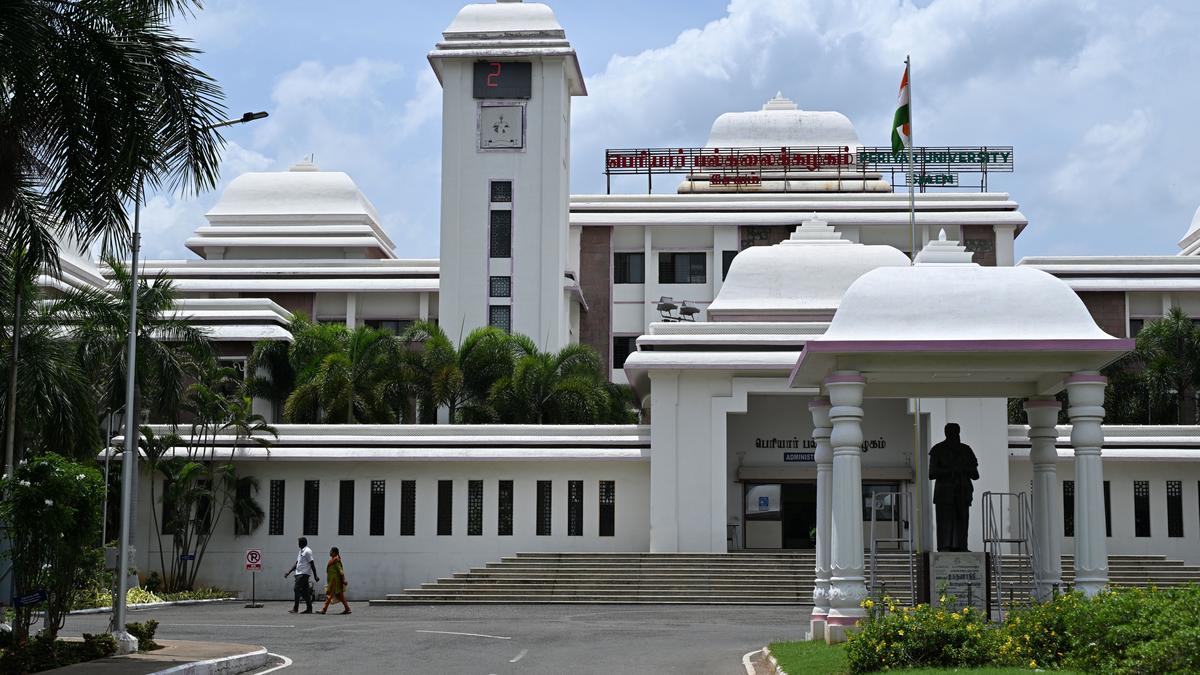
Ph.D. in Botany from Periyar University: Eligibility, Entrance Exam, Fee Structure, Admission Process, Subjects, Research Areas, Syllabus, Scholarship & Career Scope
The pursuit of advanced knowledge in plant sciences opens doors to groundbreaking discoveries that shape ecosystems, agriculture, and biotechnology. Periyar University, nestled in the vibrant academic landscape of Tamil Nadu, offers a distinguished Ph.D. in Botany designed for professionals eager to lead research initiatives, influence policy, and drive innovation. This comprehensive guide details every facet of the doctoral journey—from eligibility criteria to career prospects—empowering you to make an informed decision and embark on a transformative scholarly adventure.
Ph.D Admission 2026-2027 & Writing Support Services by Shiksha Research
Eligibility Criteria for Ph.D. in Botany at Periyar University
- Master’s degree (M.Sc.) in Botany, Plant Biology, Zoology, Biotechnology, or a related discipline with a minimum of 55% aggregate (50% for SC/ST candidates).
- Qualifying score in the university‑conducted Ph.D. entrance test or a national level exam such as UGC‑NET, CSIR‑JRF, or GATE.
- Valid GATE/NET score for research scholars from recognized institutions is accepted as an alternative to the entrance test.
- Experience in research projects, publications, or conference presentations enhances the profile but is not mandatory.
Entrance Exam for Ph.D. in Botany at Periyar University
The entrance examination evaluates both theoretical knowledge and research aptitude. Key components include:
- Paper I – Subject Knowledge: 100 multiple‑choice questions covering Plant Physiology, Systematics, Molecular Botany, Ecology, and related fields.
- Paper II – Research Methodology: 50 questions assessing statistics, experimental design, and scientific writing.
- Duration: 3 hours (both papers combined).
- Candidates who qualify through national exams (UGC‑NET, CSIR‑JRF) are exempted from Paper I.
Fee Structure for Ph.D. in Botany at Periyar University
| Component | Annual Fee (INR) |
|---|---|
| Tuition & Laboratory Charges | ₹ 22,000 |
| Registration & Examination Fee | ₹ 5,500 |
| Library & Resource Access | ₹ 1,200 |
| Student Welfare & Miscellaneous | ₹ 1,300 |
| Total Approximate Cost per Year | ₹ 30,000 |
Note: Scholarships, research grants, and teaching assistantships can significantly offset these expenses.
Admission Process for Ph.D. in Botany at Periyar University
- Online Application: Submit the application form through the university portal with scanned copies of academic certificates.
- Entrance Examination: Appear for the university‑conducted test or submit a valid UGC‑NET/CSIR‑JRF score.
- Interview & Proposal Review: Shortlisted candidates present a research proposal to the Departmental Committee.
- Final Selection: Admissions are confirmed based on merit, research potential, and availability of supervisors.
- Registration: Complete the registration formalities, pay the fees, and enroll for the first semester.
Ph.D. Subjects and Specializations in Botany at Periyar University
Students may choose from a spectrum of cutting‑edge specializations, including:
- Plant Molecular Genetics & Genomics
- Plant Pathology & Disease Management
- Ecophysiology and Climate Resilience
- Algal Biotechnology and Biofuels
- Ethnobotany and Medicinal Plant Research
- Conservation Biology and Restoration Ecology
- Plant Tissue Culture and Micropropagation
Research Areas in Botany at Periyar University
The university’s research ecosystem encourages interdisciplinary investigations. Prominent research themes include:
- Genetic improvement of staple crops for drought tolerance.
- Bioprospecting of native flora for novel pharmaceuticals.
- Impact of urbanization on native plant communities.
- Utilization of algae for carbon capture and renewable energy.
- Development of bio‑fertilizers through symbiotic microbial studies.
- Conservation strategies for endangered endemic species.
Documents Required for Ph.D. in Botany at Periyar University
| Document | Details |
|---|---|
| Academic Transcripts | Original certificates of B.Sc. and M.Sc. with marked grades. |
| Entrance Exam Scorecard | UGC‑NET/CSIR‑JRF or university test result. |
| Research Proposal | 2–3 pages outlining objectives, methodology, and expected outcomes. |
| Curriculum Vitae (CV) | Professional and academic achievements, publications, and projects. |
| Passport‑size Photographs | Three recent color photographs. |
| Proof of Identity | Aadhaar card, PAN, or passport copy. |
| Experience Letter (if any) | From research institutions or industry relevant to botany. |
Periyar University Ph.D. Syllabus for Botany
The doctoral syllabus is structured to develop deep expertise while fostering independent inquiry. Core components include:
- Advanced Plant Physiology
- Molecular Techniques in Plant Sciences
- Statistical Methods for Biological Research
- Ecological Modelling and GIS Applications
- Scientific Writing and Publication Ethics
- Seminars, Journal Club, and Collaborative Workshops
In addition to coursework, candidates must complete a minimum of two research modules, submit progress reports, and defend a doctoral thesis before a qualified panel.
How To Apply for Ph.D. in Botany at Periyar University
Follow these streamlined steps to submit a successful application:
- Visit the official Periyar University website and navigate to the Ph.D. Admissions portal.
- Create a user account using a valid email address.
- Fill in personal, academic, and research details; upload scanned documents as per the checklist.
- Pay the non‑refundable application fee (₹ 1,500) via net banking or credit/debit card.
- Submit the application and note the generated registration number for future correspondence.
- Prepare for the entrance examination or ensure your UGC‑NET/CSIR‑JRF score is uploaded.
- Upon shortlisting, attend the interview and present your research proposal.
For additional assistance with proposal drafting, consider professional Thesis and Dissertation Writing Services.
Career Scope and Job Opportunities After Ph.D. in Botany from Periyar University
A doctorate in Botany equips graduates with a robust skill set that is highly valued across academia, industry, and government sectors. Potential career avenues include:
- Assistant/Associate Professor or Research Fellow in universities and research institutes.
- Senior Scientist in agricultural biotechnology firms, focusing on crop improvement and tissue culture.
- Conservation Manager or Ecologist for NGOs and governmental agencies overseeing wildlife sanctuaries.
- Policy Analyst specializing in environmental legislation and sustainable land use.
- Consultant for agronomic firms designing integrated pest management (IPM) strategies.
- Chief Research Officer for pharmaceutical companies engaged in natural product discovery.
According to recent placement statistics, 78% of Ph.D. Botany graduates secure employment within six months of graduation, with average starting salaries ranging from ₹ 6 Lakhs to ₹ 12 Lakhs per annum depending on the sector.
Scholarship for Ph.D. in Botany at Periyar University
Financial support is available through several schemes:
- University Merit Scholarship: Covers 100% tuition for top‑ranked candidates.
- UGC Junior Research Fellowship (JRF): Annual stipend of ₹ 31,000 plus contingency funds.
- State Government Fellowship: ₹ 30,000 per month for candidates from Tamil Nadu.
- Project‑Based Funding: Grants linked to specific research projects, often in collaboration with industry partners.
Applicants are encouraged to explore research project opportunities, as many faculty members are funded by national and international agencies that provide additional stipends.
FAQs Regarding Ph.D. in Botany at Periyar University
- 1. What is the minimum duration to complete the Ph.D.?
- Typically 3‑4 years for full‑time candidates, subject to satisfactory progress and timely submission of the thesis.
- 2. Can I pursue the Ph.D. part‑time while working?
- Yes, Periyar University offers a part‑time mode with flexible coursework and extended timelines (up to 6 years).
- 3. Is prior teaching experience required?
- No, but teaching assistantships are offered, allowing candidates to gain pedagogical experience and additional financial support.
- 4. How many publications are mandatory for thesis submission?
- At least two papers in peer‑reviewed journals are recommended; however, the exact requirement is decided by the supervisory committee.
- 5. Are there provisions for international students?</dt








