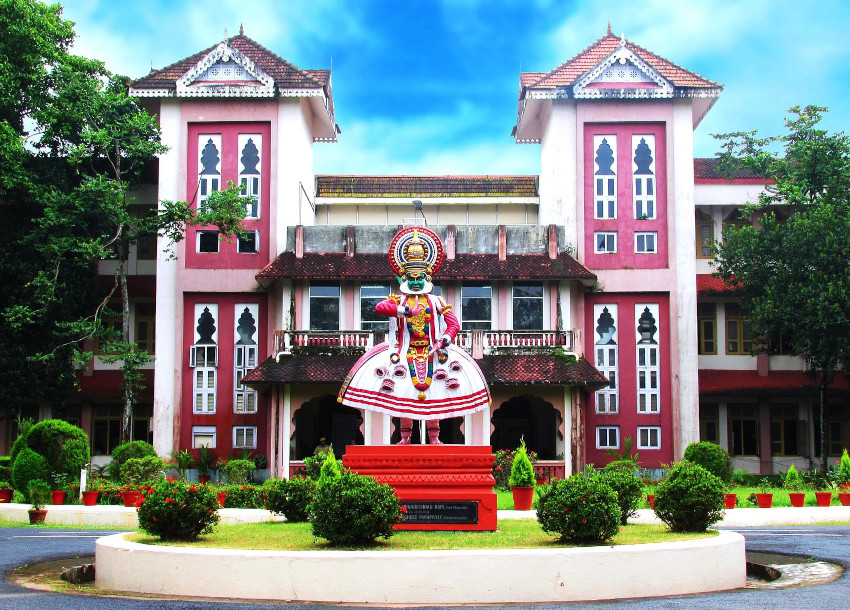
Ph.D. in Catalysis And Polymer Chemistry from Cochin University of Science & Technology
Introduction about Ph.D. in Catalysis And Polymer Chemistry at Cochin University of Science & Technology
The Ph.D. programme in Catalysis and Polymer Chemistry at Cochin University of Science & Technology (CUSAT) is designed for professionals who aspire to lead cutting‑edge research in sustainable catalysis, advanced polymer synthesis, and material innovation. This interdisciplinary doctorate blends fundamental chemistry with engineering principles, preparing scholars for academic, industrial, and entrepreneurial careers worldwide. With state‑of‑the‑art laboratories, collaborations with leading chemical industries, and a vibrant research community, CUSAT offers an inspiring environment for scientific discovery.
Eligibility Criteria for Ph.D. in Catalysis And Polymer Chemistry at Cochin University of Science & Technology
- Master’s degree (M.Sc., M.Tech., M.Phil.) in Chemistry, Chemical Engineering, Materials Science or a closely related discipline with a minimum of 55% aggregate (or CGPA equivalent).
- Candidates with a Bachelor’s degree (B.E./B.Tech.) followed by a postgraduate diploma in polymer science may be considered on a case‑by‑case basis.
- Qualifying the university‑conducted entrance test or national level exams such as GATE (Chemistry) or NET (Science).
- Research experience (publications, project work) is highly advantageous but not mandatory.
- For international applicants: a minimum TOEFL iBT 80 or IELTS 6.5 is required.
Entrance Exam for Ph.D. in Catalysis And Polymer Chemistry at Cochin University of Science & Technology
CUSAT conducts a two‑stage selection process:
- Written Test: Objective and descriptive questions covering advanced organic chemistry, polymerisation mechanisms, catalysis fundamentals, and analytical techniques.
- Interview & Proposal Review: Candidates present a research proposal, discuss past work, and demonstrate analytical thinking. The interview panel evaluates the suitability of the proposed research with the department’s expertise.
Candidates who have qualified GATE or CSIR‑NET are exempted from the written test and proceed directly to the interview round.
Fee Structure for Ph.D. in Catalysis And Polymer Chemistry at Cochin University of Science & Technology
| Category | Amount (INR) | Remarks |
|---|---|---|
| Registration Fee | 5,000 | One‑time, payable at admission |
| Annual Tuition & Laboratory Charges | 15,000 | Includes access to core labs and computational facilities |
| Scholarship Deduction (if applicable) | –10,000 | Based on merit or ministry‑funded scholarships |
| Insurance & Miscellaneous | 2,000 | Health insurance and student services |
| Total Estimated Annual Cost | 12,000 |
Admission Process for Ph.D. in Catalysis And Polymer Chemistry at Cochin University of Science & Technology
- Submit the online application through the CUSAT portal (link available on the university website).
- Upload scanned copies of academic transcripts, degree certificates, CV, and a 500‑word research proposal.
- Pay the non‑refundable registration fee.
- Appear for the written test (if required) followed by the interview.
- Receive the admission offer letter, sign the agreement, and register for courses.
Ph.D. Subjects and Specializations in Catalysis And Polymer Chemistry at Cochin University of Science &Technology
The programme allows candidates to focus on one of the following specializations:
- Heterogeneous Catalysis for Green Chemistry
- Polymerisation Mechanisms and Kinetics
- Biocatalysis and Enzyme Engineering
- Advanced Materials for Energy Storage
- Nanostructured Catalysts and Hybrid Polymers
- Computational Modelling of Catalytic Processes
Research Areas in Catalysis And Polymer Chemistry at Cochin University of Science & Technology
Faculty members at CUSAT are actively engaged in research spanning:
- Design of sustainable catalysts for CO2 conversion.
- Development of biodegradable polymers from renewable feedstocks.
- Electro‑catalytic systems for hydrogen production.
- Smart polymeric membranes for water purification.
- Photocatalytic degradation of environmental pollutants.
- Polymer nanocomposites for biomedical applications.
Documents Required for Ph.D. in Catalysis And Polymer Chemistry at Cochin University of Science &Technology
| Document | Format | Notes |
|---|---|---|
| Application Form (online) | PDF/HTML | Completed and signed electronically. |
| Academic Transcripts & Certificates | Scanned PDFs (max 2 MB each) | Originals must be presented at verification. |
| Research Proposal (500 words) | Word Document | Should align with department research themes. |
| Curriculum Vitae | Include publications, patents, and conference papers. | |
| Proof of English Proficiency | TOEFL/IELTS score report | Only for international candidates. |
Cochin University of Science & Technology Ph.D. Syllabus for Catalysis And Polymer Chemistry
The doctoral syllabus is divided into three phases:
- Coursework (Year 1): Advanced topics such as “Catalytic Reaction Engineering”, “Polymer Physics”, “Spectroscopic Characterization”, and “Computational Chemistry”. Students must clear internal assessments with a minimum of 60%.
- Comprehensive Examination (End of Year 2): Written and oral exams covering all coursework and literature review.
- Thesis Research (Years 3‑5): Original research, publications in peer‑reviewed journals, and a final defense before a multidisciplinary panel.
How To Apply for Ph.D. in Catalysis And Polymer Chemistry at Cochin University of Science &Technology
Follow these step‑by‑step instructions to submit a successful application:
- Visit the official CUSAT admissions portal and create an account.
- Select “Ph.D. – Catalysis and Polymer Chemistry” from the programme list.
- Complete the personal details, academic history, and upload the required documents (see the Documents table).
- Pay the registration fee using online banking, credit card, or net banking.
- Submit the application and note the reference number for future correspondence.
- Prepare for the written test (if applicable) and schedule the interview through the portal.
Career Scope and Job Opportunities After Ph.D. in Catalysis And Polymer Chemistry from Cochin University of Science &Technology
Graduates enjoy a broad spectrum of career pathways:
- Academic Roles: Assistant Professor, Post‑doctoral Fellow, Research Scientist at premier institutes.
- Industrial Positions: R&D Manager, Process Development Engineer, Catalysis Specialist in petrochemical, polymer, and renewable‑energy companies.
- Entrepreneurship: Start‑ups focused on green catalysis, biodegradable plastics, or nanocomposite materials.
- Consultancy & Policy: Advisory roles for government agencies on environmental regulation and sustainable chemistry.
According to recent placement data, 85% of CUSAT Ph.D. graduates secure employment within six months, with an average salary package ranging from INR 12 Lakhs to INR 20 Lakhs per annum.
Scholarship for Ph.D. in Catalysis And Polymer Chemistry at Cochin University of Science &Technology
CUSAT offers several financial assistance schemes:
- University Merit Scholarship: Full tuition waiver and a monthly stipend of INR 15,000 for candidates with a CGPA ≥ 8.0.
- UGC‑JRF (Junior Research Fellowship): Up to INR 31,000 per month plus contingency allowance.
- AICTE Ph.D. Fellowship: Covers tuition, living expenses, and travel for conferences.
- Industry‑Sponsored Projects: Funding through collaborations with companies like Indian Oil, Reliance, and Tata Chemicals.
FAQs Regarding Ph.D. in Catalysis And Polymer Chemistry at Cochin University of Science &Technology
- 1. What is the minimum duration to complete the Ph.D.?
- The programme is structured for a minimum of three years, but most students finish within 4‑5 years depending on research progress








