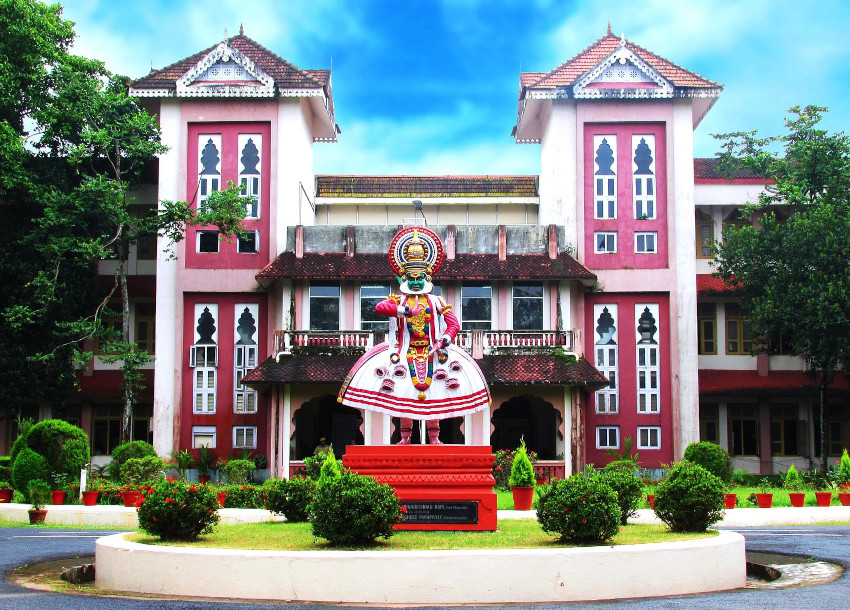
Introduction about Ph.D. in Chemical Oceanography at Cochin University of Science & Technology
The Ph.D. in Chemical Oceanography at Cochin University of Science & Technology (CUSAT) offers aspiring scientists a rigorous research environment to explore the chemical dynamics of marine ecosystems. This interdisciplinary program integrates ocean chemistry, marine biogeochemistry, environmental monitoring, and advanced analytical techniques, preparing graduates for leadership roles in academia, industry, and government research agencies.
Ph.D Admission 2026-2027 & Writing Support Services by Shiksha Research
Eligibility Criteria for Ph.D. in Chemical Oceanography at Cochin University of Science & Technology
- Master’s degree (M.Sc., M.Tech., M.Phil.) in Oceanography, Chemistry, Marine Science, Environmental Science, or a closely related discipline with a minimum of 55% aggregate (or CGPA equivalent).
- Qualifying national-level entrance test (e.g., CUSAT Ph.D. Entrance, UGC NET, CSIR NET, JRF) OR a valid GATE score in relevant engineering/technology streams.
- Research proposal aligned with the faculty expertise in chemical oceanography.
- English proficiency for international candidates (IELTS ≥ 6.0 or TOEFL ≥ 80).
Entrance Exam for Ph.D. in Chemical Oceanography at Cochin University of Science & Technology
The university conducts a written test followed by a personal interview. The written test evaluates:
- Core concepts in marine chemistry, ocean physics, and analytical methods.
- Statistical and modelling skills.
- Research aptitude and scientific communication.
Successful candidates are shortlisted for an interview where they present their research proposal and discuss potential project scopes.
Fee Structure for Ph.D. in Chemical Oceanography at Cochin University of Science & Technology
| Category | Annual Tuition Fee | Additional Charges |
|---|---|---|
| General Category | ₹12,000 | Lab & equipment fee: ₹3,000 |
| OBC/SC/ST | ₹8,000 | Lab & equipment fee: ₹3,000 |
| International Students | ₹28,000 | Lab & equipment fee: ₹5,000 |
| Scholarship/Assistantship (if awarded) | Waived | Stipend: ₹18,000 per month |
Admission Process for Ph.D. in Chemical Oceanography at Cochin University of Science & Technology
- Online application submission through the CUSAT admission portal.
- Upload scanned copies of academic certificates, caste/non‑creamy certificate (if applicable), and research proposal.
- Pay the application fee (₹1,500 for Indian candidates, ₹2,500 for foreign candidates).
- Appear for the entrance examination and subsequent interview.
- Receive provisional admission letter pending confirmation of eligibility documents.
- Register for the semester, pay fees, and commence coursework and research.
Ph.D. Subjects and Specializations in Chemical Oceanography at Cochin University of Science &Technology
- Marine Biogeochemistry
- Trace Metal Cycling
- Ocean Acidification and Carbonate Chemistry
- Pollutant Transport & Fate in Marine Environments
- Isotope Geochemistry of Oceans
- Analytical Techniques for Seawater Chemistry
Research Areas in Chemical Oceanography at Cochin University of Science &Technology
Faculty members guide research in cutting‑edge domains such as:
- Climate change impact on marine carbon cycles.
- Heavy metal contamination and remediation strategies.
- Marine organic matter transformation.
- Hydrothermal vent chemistry and mineral deposition.
- Development of in‑situ sensors for real‑time chemical monitoring.
Documents Required for Ph.D. in Chemical Oceanography at Cochin University of Science &Technology
| Document | Details |
|---|---|
| Application Form | Completed online with payment receipt. |
| Academic Transcripts | Certified copies of B.Sc., M.Sc./M.Tech./M.Phil. marksheets. |
| Entrance Exam Scorecard | UGC NET/CSIR NET/GATE or CUSAT Ph.D. test result. |
| Research Proposal | 2–3 page proposal outlining objectives, methodology, and expected outcomes. |
| Identity Proof | Aadhaar, Passport, or Driving License (scanned). |
| Residence Proof | Utility bill or rental agreement. |
| Experience Certificates (if any) | Relevant industry/research experience letters. |
Cochin University of Science & Technology Ph.D. Syllabus for Chemical Oceanography
The syllabus blends coursework with research milestones:
- Year 1: Advanced Marine Chemistry, Oceanographic Data Analysis, Research Methodology, Ethics in Science.
- Year 2: Specialized electives (e.g., Isotope Geochemistry, Marine Pollution), proposal presentation, literature review.
- Year 3–4: Experimental work, field campaigns, manuscript preparation, thesis writing, defense.
How To Apply for Ph.D. in Chemical Oceanography at Cochin University of Science &Technology
Follow these steps for a successful application:
- Visit the official CUSAT website and navigate to the “Postgraduate Admissions” section.
- Register using a valid email address and create a secure password.
- Fill in personal, academic, and research details; upload the required PDFs.
- Pay the non‑refundable application fee via net banking or credit card.
- Submit the application and note the reference number for future correspondence.
- Prepare for the entrance test by reviewing previous year papers and key concepts in chemical oceanography.
Career Scope and Job Opportunities After Ph.D. in Chemical Oceanography from Cochin University of Science &Technology
Graduates enjoy diverse pathways, including:
- Assistant/Associate Professor and research faculty positions in universities and marine institutes.
- Senior Scientist roles in oceanographic research centers (e.g., National Institute of Oceanography, ISRO).
- Environmental consultancy for coastal management, pollution assessment, and climate impact studies.
- Policy advisory positions in governmental bodies such as the Ministry of Earth Sciences.
- Industry research & development in offshore oil & gas, marine biotech, and sensor manufacturing.
The interdisciplinary skill set also enables entrepreneurship in marine data analytics and sustainable aquaculture technologies.
Scholarship for Ph.D. in Chemical Oceanography at Cochin University of Science &Technology
CUSAT offers several funding avenues:
- University Merit Scholarships (₹18,000/month stipend) based on academic performance.
- UGC‑JRF and CSIR‑JRF fellowships.
- Project‑specific grants from national agencies (e.g., DST, MOES).
- International collaborations providing travel and research allowances.
FAQs Regarding Ph.D. in Chemical Oceanography at Cochin University of Science &Technology
- Q1: What is the typical duration of the Ph.D. program?
- A: The program is designed for 4 years, but exceptional candidates may complete it in 3 years.
- Q2: Can I pursue the Ph.D. part‑time while working?
- A: Yes, CUSAT permits part‑time registration for professionals with prior research experience.
- Q3: Is there a requirement for fieldwork?
- A: Field sampling and ship‑board campaigns are integral; students receive training on research vessels.
- Q4: How many publications are expected before thesis submission?
- A: At least two peer‑reviewed journal articles are strongly recommended.
- Q5: Are there any collaborations with foreign universities?
- A: CUSAT maintains MOUs with several international marine institutes, facilitating joint research and exchange programs.
Editing and Proofreading Services
PhD Topic Selection and Proposal Assistance
PhD Admission Assistance
Honorary Doctorate Programs
Research Publication Support
Patent Filing and Support Services








