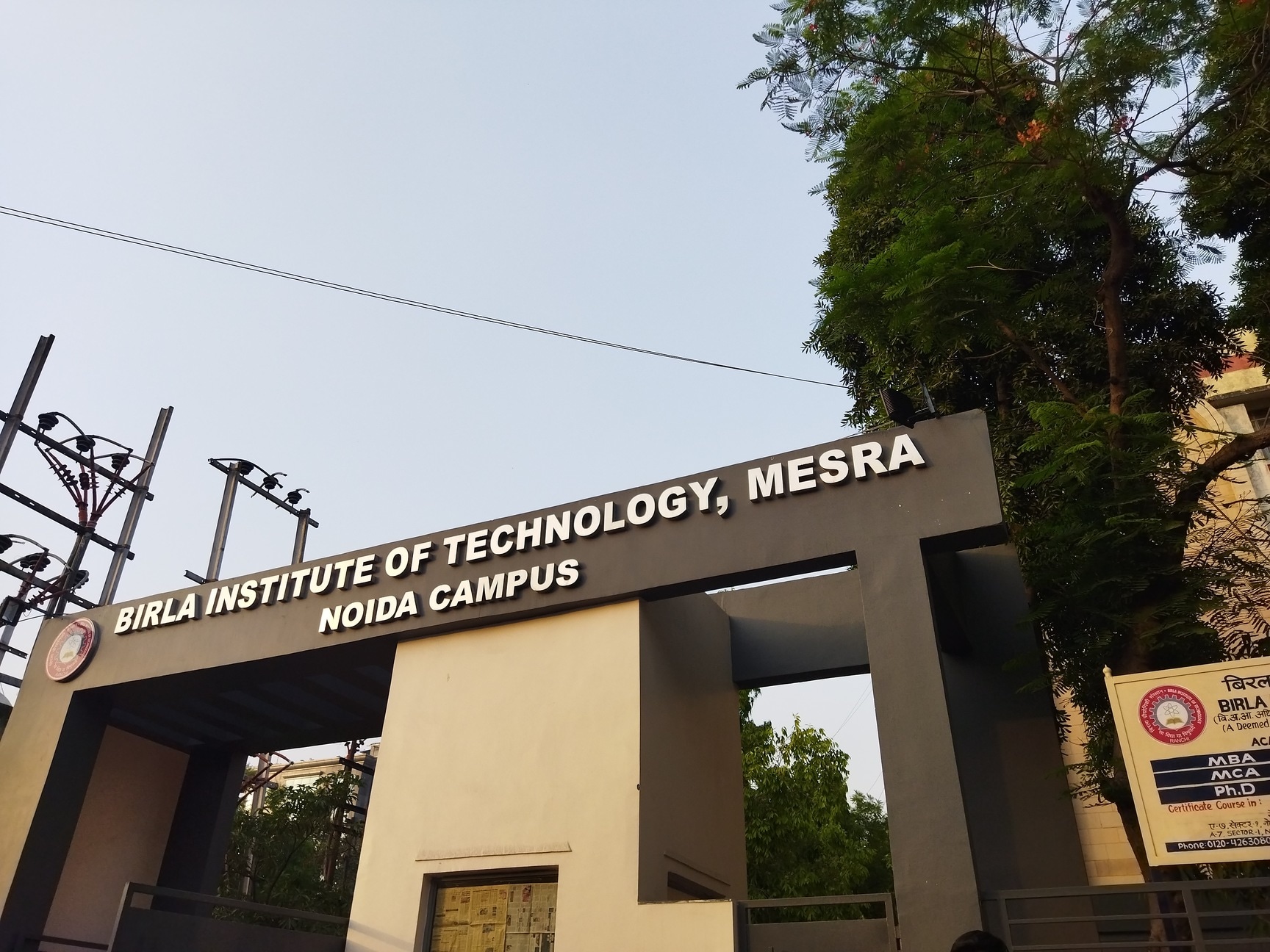
Ph.D. in Chemistry at Birla Institute of Technology: Eligibility, Entrance Exam, Fee Structure, Admission Process, Subjects, Research Areas, Syllabus, Scholarship & Career Scope
Introduction about Ph.D. in Chemistry at Birla Institute of Technology
Birla Institute of Technology (BIT) has long been recognized as a hub of scientific excellence, and its Doctoral programme in Chemistry stands at the forefront of advanced research and innovation. The Ph.D. in Chemistry at BIT offers a rigorous blend of theoretical depth and practical experimentation, empowering professionals to contribute to cutting‑edge discoveries in areas such as nanomaterials, medicinal chemistry, and sustainable catalysis. With state‑of‑the‑art laboratories, collaborations with leading industry partners, and a faculty roster that includes internationally acclaimed scientists, BIT creates an inspiring environment for scholars aiming to push the boundaries of chemical knowledge. This comprehensive guide equips ambitious candidates with all the details they need to embark on this transformative academic journey.
Eligibility Criteria for Ph.D. in Chemistry at Birla Institute of Technology
Prospective candidates must hold a Master’s degree (M.Sc.) in Chemistry or a closely related discipline with a minimum aggregate of 55 % (or an equivalent CGPA of 6.5/10) from a recognized university. Candidates who have cleared the National Eligibility Test (NET) or the GATE Chemistry paper are exempted from the institute’s written entrance test. For those holding a Bachelor’s degree (B.Sc.) with a minimum of 60 % and a strong research background, BIT may consider a direct entry route, subject to the discretion of the Departmental Committee. International students must meet the same academic standards and possess a valid study visa.
Entrance Exam for Ph.D. in Chemistry at Birla Institute of Technology
The admission process incorporates a two‑stage assessment. First, candidates with a qualified NET/GATE score are invited for an interview that evaluates research aptitude, analytical thinking, and subject expertise. Applicants without a qualifying score must appear for BIT’s own written examination, which tests core concepts in Physical, Organic, Inorganic and Analytical Chemistry, as well as problem‑solving abilities. The written test is followed by a personal interview and a presentation of a research proposal. The evaluation matrix emphasizes originality, feasibility of the proposed research, and alignment with the faculty’s ongoing projects.
Fee Structure for Ph.D. in Chemistry at Birla Institute of Technology
BIT offers a transparent fee structure that is competitive with other premier institutions. The fees are categorized into tuition, laboratory usage, and miscellaneous charges. A detailed breakdown is provided in the table below.
| Component | Annual Fee (INR) | Notes |
|---|---|---|
| Tuition & Academic Charges | 45,000 | Includes seminars, library access, and departmental fees. |
| Laboratory & Equipment Usage | 30,000 | Covers consumables, instrumentation time, and safety gear. |
| Administrative & Examination Fees | 10,000 | Annual registration, evaluation, and certification. |
| Hostel & Mess (Optional) | 80,000 | Applicable for out‑station candidates opting for campus residence. |
| Total Approximate Cost per Year | 1,65,000 | Subject to revision based on university notifications. |
Admission Process for Ph.D. in Chemistry at Birla Institute of Technology
The admission workflow is designed to be systematic and candidate‑friendly:
- Online Application: Submit the digital application form through the BIT portal, upload academic transcripts, a statement of purpose, and two letters of recommendation.
- Eligibility Verification: The Admissions Office validates academic credentials and NET/GATE scores, if applicable.
- Entrance Examination: Qualified candidates are invited to appear for the written test (or directly to the interview if NET/GATE exempted).
- Interview & Research Proposal Review: A panel of faculty members assesses the candidate’s research proposal, communication skills, and fit with departmental strengths.
- Final Selection & Offer Letter: Successful candidates receive an official admission letter, outlining scholarship eligibility and payment instructions.
- Enrollment & Orientation: Enrolled scholars attend an orientation program introducing them to laboratory safety, research ethics, and campus resources.
For candidates seeking professional writing assistance during the application phase, Thesis and Dissertation Writing Services provide expert guidance on crafting compelling research proposals.
Ph.D. Subjects and Specializations in Chemistry at Birla Institute of Technology
BIT’s Department of Chemistry offers a diverse array of specializations that reflect current industry and academic trends:
- Physical Chemistry – quantum simulations, thermodynamics, and molecular dynamics.
- Organic Chemistry – synthetic methodology, medicinal chemistry, and polymer science.
- Inorganic Chemistry – coordination complexes, bioinorganic systems, and materials synthesis.
- Analytical Chemistry – spectroscopy, chromatography, and sensor development.
- Computational Chemistry – drug design, cheminformatics, and data‑driven modeling.
Students may choose a primary specialization and complement it with interdisciplinary electives, fostering a well‑rounded research profile.
Research Areas in Chemistry at Birla Institute of Technology
The institute’s research ecosystem is anchored in four flagship domains:
- Nanomaterials & Catalysis: Designing nano‑structured catalysts for greener chemical processes.
- Pharmaceutical Chemistry: Synthesizing novel drug candidates and exploring structure‑activity relationships.
- Environmental Chemistry: Developing remediation technologies for water and air pollutants.
- Energy Materials: Creating advanced electrolytes and electrode materials for batteries and fuel cells.
To enhance data integrity in these projects, BIT collaborates with Research Data Analysis Services, ensuring robust statistical validation and reproducibility.
Documents Required for Ph.D. in Chemistry at Birla Institute of Technology
Applicants must compile the following documents in PDF format before submission:
- Filled online application form (PDF printout).
- Academic transcripts and degree certificates (M.Sc. / B.Sc.).
- NET/GATE scorecard (if applicable).
- Two professional recommendation letters.
- Statement of Purpose (maximum 800 words).
- Research proposal (including objectives, methodology, and expected outcomes).
- Copy of passport (for international applicants).
- Proof of residence (address verification).
Birla Institute of Technology Ph.D. Syllabus for Chemistry
The Ph.D. syllabus at BIT is structured to strengthen core competencies while fostering independent research:
- Year 1 – Foundation Courses: Advanced Physical Chemistry, Modern Spectroscopic Techniques, Research Methodology, and Scientific Writing.
- Year 2 – Specialized Modules: Selected electives based on chosen specialization, Laboratory Safety, and Intellectual Property Rights.
- Year 3 – Research Execution: Experimental design, data acquisition, and iterative analysis under faculty supervision.
- Year 4 – Thesis Completion: Manuscript preparation, peer‑reviewed publications, and defense.
How To Apply for Ph.D. in Chemistry at Birla Institute of Technology
The application portal is accessible from the BIT official website. Follow these steps:
- Register using a valid email address and create a secure password.
- Complete the personal and academic sections, uploading scanned copies of each required document.
- Pay the non‑refundable application fee (INR 1,500) via net banking or credit card.
- Submit the application and note the generated reference number for future correspondence.
- Monitor the registered email for updates on eligibility verification, exam schedule, and interview invitations.
Career Scope and Job Opportunities After Ph.D. in Chemistry from Birla Institute of Technology
Graduates of BIT’s Ph.D. programme are highly sought after in academia, industry, and government research labs. Typical career pathways include:
- Assistant/Associate Professor positions in premier universities and research institutes.
- Research Scientist roles in pharmaceutical companies, petrochemical firms, and material science corporations.
- Post‑doctoral fellowships at international labs, enabling global collaboration.
- Consultancy and advisory positions in regulatory bodies, focusing on safety standards and environmental compliance.
- Entrepreneurial ventures – start‑ups centered on chemical innovation and sustainable technologies.
For scholars needing assistance with manuscript preparation, Research Paper Writing Services</strong








