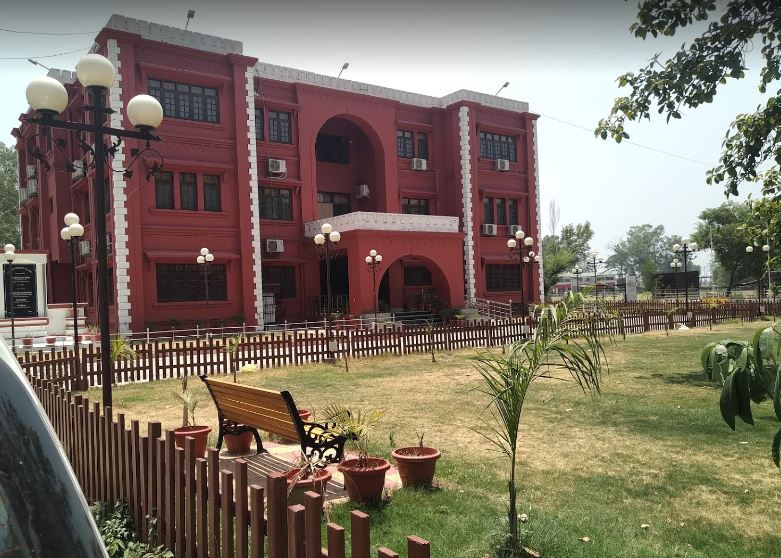
Ph.D. in Civil Engineering from Christ University: Eligibility, Entrance Exam, Fee Structure, Admission Process, Subjects, Research Areas, Syllabus, Scholarship & Career Scope
Introduction about Ph.D. in Civil Engineering at Christ University
Christ University, located in the heart of Bangalore, has emerged as a premier destination for advanced research in civil engineering. The Ph.D. programme blends rigorous academic training with hands?on research, empowering professionals to become thought leaders in infrastructure, sustainability, and construction technology. Whether you aim to pioneer smart city solutions, develop resilient structures, or contribute to policy formulation, Christ University provides a vibrant ecosystem of faculty expertise, state?of?the?art laboratories, and industry collaborations.
Eligibility Criteria for Ph.D. in Civil Engineering at Christ University
Prospective candidates must satisfy one of the following academic qualifications:
- Master?s degree (M.Tech/M.E/M.Sc) in Civil Engineering or a related discipline with a minimum of 55% aggregate (or CGPA equivalent).
- NET/JRF qualification in Civil Engineering recognized by UGC/CSIR.
- Four years of full?time research experience in a recognized institution, with a minimum of 55% in the postgraduate degree.
Professional engineers with substantial research publications may also be considered on a case?by?case basis.
Entrance Exam for Ph.D. in Civil Engineering at Christ University
The university conducts a comprehensive entrance test to assess candidates' foundational knowledge and research aptitude. The exam comprises:
- Subject?specific section (Structural Analysis, Geotechnics, Transportation, Water Resources, etc.).
- General aptitude and analytical reasoning.
- Research methodology & proposal writing skills.
Qualified NET/JRF candidates are exempted from the written test but must appear for an interview.
Fee Structure for Ph.D. in Civil Engineering at Christ University
| Component | Annual Fee (INR) | Notes |
|---|---|---|
| Tuition & Laboratory Charges | 75,000 | Includes access to labs and research facilities. |
| Examination & Evaluation | 15,000 | All internal and external assessments. |
| Library & Resource Access | 10,000 | Digital libraries, journals, and databases. |
| Miscellaneous (Workshops, Seminars) | 5,000 | Annual research symposium participation. |
| Total Approx. | 1,05,000 | Subject to revisions each academic year. |
Scholarships and financial aid can significantly offset these costs (see the scholarship section below).
Admission Process for Ph.D. in Civil Engineering at Christ University
The admission workflow is streamlined to ensure transparency:
- Online Application: Submit the application through the university portal with scanned copies of academic certificates.
- Entrance Examination: Appear for the written test (or submit NET/JRF score).
- Interview & Proposal Review: Shortlisted candidates present their research proposal to the faculty panel.
- Final Selection: Admission offer issued based on merit and research fit.
- Enrollment: Pay the fee, receive a university ID, and commence orientation.
Ph.D. Subjects and Specializations in Civil Engineering at Christ University
Students can choose from a wide array of specializations that align with global industry trends:
- Structural Engineering and Earthquake?Resistant Design
- Geotechnical Engineering and Soil Mechanics
- Transportation Engineering and Highway Planning
- Water Resources Engineering and Hydrology
- Construction Management and BIM Technology
- Environmental Engineering and Sustainable Infrastructure
- Smart Materials and Nano?Technology in Civil Structures
Research Areas in Civil Engineering at Christ University
The university hosts interdisciplinary research clusters focusing on:
- Resilient Urban Infrastructure
- Green Building Materials and Carbon Footprint Reduction
- Advanced Geotechnical Modeling for Climate?Adapted Foundations
- Intelligent Transportation Systems (ITS) and Traffic Management
- Water Conservation, Flood Management, and Catchment Modelling
- Construction Automation, Robotics, and 3D Printing
- Disaster Risk Assessment and Mitigation Strategies
Documents Required for Ph.D. in Civil Engineering at Christ University
| Document | Format | Remarks |
|---|---|---|
| Filled Application Form | Download from the university portal. | |
| Academic Transcripts & Degree Certificates | Scanned PDFs (Color) | All qualifying degrees. |
| NET/JRF Scorecard (if applicable) | Original scorecard copy. | |
| Research Proposal (5?10 pages) | DOCX/PDF | Include objectives, methodology, and expected outcomes. |
| Letter of Recommendation (2) | From academic or professional supervisors. | |
| Curriculum Vitae | Highlight publications and project experience. |
Christ University Ph.D. Syllabus for Civil Engineering
The syllabus is designed to build a solid theoretical foundation while fostering research competence. Core modules include:
- Advanced Structural Analysis
- Research Methodology & Statistics
- Geotechnical Modeling Techniques
- Transportation Planning & Systems
- Water Resources Engineering
- Construction Technology and Management
- Elective: Sustainable Infrastructure, Smart Materials, or Disaster Mitigation
Each semester culminates in a comprehensive literature review and a progress report presented to the supervisory committee.
How To Apply for Ph.D. in Civil Engineering at Christ University
Follow these steps to submit a successful application:
- Visit the official Christ University admissions portal.
- Create an account and fill out the online application form.
- Upload all required documents (see the Documents section).
- Pay the application fee securely via net banking or credit card.
- Schedule the entrance examination date (if applicable).
- Prepare a concise research proposal and submit it with the application.
- Track application status through the portal and respond promptly to interview invitations.
Need assistance with proposal drafting? Explore our PhD Topic Selection and Proposal Assistance service.
Career Scope and Job Opportunities After Ph.D. in Civil Engineering from Christ University
Graduates emerge as experts equipped for high?impact roles such as:
- Senior Research Scientist in national laboratories or research institutes.
- Lead Engineer or Project Manager in multinational construction firms.
- Faculty positions (Assistant/Associate Professor) at premier universities.
- Policy Analyst or Consultant for government ministries (Public Works, Urban Development).
- Entrepreneur ? founding start?ups focusing on sustainable construction technologies.
The strong alumni network and industry tie?ups of Christ University further enhance placement prospects.
Scholarship for Ph.D. in Civil Engineering at Christ University
Christ University offers several merit?based and need?based scholarships:
- University Merit Scholarship: Up to 50% tuition waiver for candidates with >75% aggregate.
- Research Grant Stipend: Monthly stipend of INR 15,000 for selected research projects.
- Industry Sponsored Fellowships: Partnerships with leading construction companies provide full fee coverage and project funding.
- External Scholarships: Candidates may apply for fellowships from bodies like AICTE, UGC, and CSIR.
Apply early and present a strong academic and research profile to maximize scholarship chances.
FAQs Regarding Ph.D. in Civil Engineering at Christ University
- Q: How long does the Ph.D. program typically take?
- A: The average duration is 3?4 years, contingent on research progress and publication requirements.
- Q: Is there a requirement for teaching assistance?
- A: Yes, candidates are expected to assist in undergraduate labs or tutorials for at least one semester per year.
- Q: Can I pursue the Ph.D. part?time while working?
- A: Christ University offers a flexible part?time mode for working professionals, subject to approval by the departmental committee.
- Q: What are the language proficiency requirements?
- A: For international candidates, IELTS 6.5 or TOEFL iBT 80 is mandatory.
- Q: How many publications are required for thesis submission?
- A: A minimum of two papers in refereed international journals (or equivalent conference proceedings) is expected.








