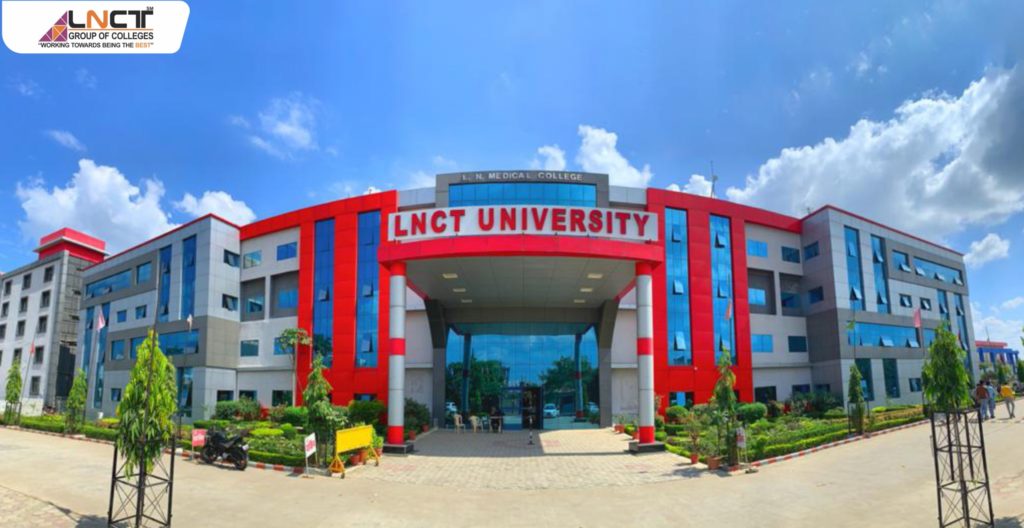
Ph.D. in Civil Engineering from LNCT University: Eligibility, Entrance Exam, Fee Structure, Admission Process, Subjects, Research Areas, Syllabus, Scholarship & Career Scope
Introduction about Ph.D. in Civil Engineering at LNCT University
The Doctor of Philosophy (Ph.D.) in Civil Engineering at LNCT University stands as a beacon for aspiring scholars who wish to push the boundaries of infrastructure, sustainability, and urban development. This doctoral program blends rigorous academic coursework with cutting?edge research, enabling candidates to become thought leaders in structural analysis, geotechnical engineering, transportation systems, and water resources management. Whether you aim to join academia, lead innovative R&D units, or influence policy making, LNCT University offers a transformative journey that nurtures both intellectual depth and practical impact.
Eligibility Criteria for Ph.D. in Civil Engineering at LNCT University
Prospective candidates must satisfy the following minimum requirements:
- Master?s degree in Civil Engineering or a closely related discipline with a minimum aggregate of 55% (or CGPA???6.0 on a 10?point scale).
- Valid GATE score in Civil Engineering (optional but preferred).
- Proof of research aptitude through publications, conference presentations, or patents.
- English proficiency for international applicants (IELTS???6.5 or TOEFL???80).
Exemptions are granted to candidates who have secured a Doctoral Fellowship or have already completed a research project recognized by the university.
Entrance Exam for Ph.D. in Civil Engineering at LNCT University
LNCT University conducts a comprehensive entrance examination to evaluate analytical skills, research potential, and subject mastery. The exam comprises three sections:
- General Aptitude: Reasoning, Quantitative Ability, and English Language.
- Core Civil Engineering: Structural Mechanics, Soil Mechanics, Transportation Engineering, and Water Resources.
- Research Methodology: Fundamentals of research design, statistics, and scientific writing.
Applicants who have cleared the GATE or have a minimum of two peer?reviewed publications may be exempted from the written test and invited directly for an interview.
Fee Structure for Ph.D. in Civil Engineering at LNCT University
| Component | Annual Fee (INR) | Notes |
|---|---|---|
| Tuition & Laboratory Charges | 75,000 | Inclusive of access to labs and software licenses. |
| Library & Resource Center | 10,000 | Unlimited digital and print resources. |
| Examination & Evaluation | 12,000 | Covers internal assessments and final defense. |
| Miscellaneous (Student Services) | 8,000 | Student activities, counseling, and health services. |
| Total Estimated Annual Cost | 1,05,000 | Subject to revision each academic year. |
Scholarships, research assistantships, and industry?sponsored grants can significantly reduce the out?of?pocket expense for eligible candidates.
Admission Process for Ph.D. in Civil Engineering at LNCT University
The admission workflow is streamlined into five clear phases:
- Online Application: Submit the completed form along with academic transcripts, a statement of purpose, and two letters of recommendation.
- Eligibility Verification: The admissions committee reviews academic credentials and research profile.
- Entrance Examination / GATE Score Review: Qualified applicants appear for the university?administered test or submit valid GATE scores.
- Personal Interview: A panel of faculty members assesses research interests, technical depth, and alignment with ongoing projects.
- Final Offer & Registration: Successful candidates receive an admission letter, fee payment details, and enrollment instructions.
All steps are time?bound; it is advisable to begin the application process at least three months before the commencement of the academic session.
Ph.D. Subjects and Specializations in Civil Engineering at LNCT University
Students can tailor their doctoral journey by selecting one of the following specializations, each supported by dedicated research labs and faculty expertise:
- Structural Engineering & Earthquake?Resistant Design
- Geotechnical Engineering & Soil?Structure Interaction
- Transportation Engineering & Intelligent Mobility Systems
- Water Resources Engineering & Sustainable Hydrology
- Construction Management & Digital Building Technologies
- Environmental Engineering & Pollution Control
Research Areas in Civil Engineering at LNCT University
The university?s research ecosystem encourages interdisciplinary collaboration. Current focus areas include:
- High?performance concrete and nano?material composites.
- Smart infrastructure monitoring using IoT and AI.
- Seismic retrofitting techniques for heritage structures.
- Climate?adaptive water distribution networks.
- Automation and robotics in construction processes.
- Urban resilience and sustainable city planning.
Students are encouraged to propose novel topics that align with industry challenges and national development goals.
Documents Required for Ph.D. in Civil Engineering at LNCT University
| # | Document | Requirement Details |
|---|---|---|
| 1 | Academic Transcripts | Original mark sheets of B.Tech and M.Tech (or equivalent). |
| 2 | Degree Certificates | Copy of graduation and post?graduation certificates. |
| 3 | GATE Score Card (optional) | Valid score for Civil Engineering category. |
| 4 | Research Proposal | 2?page synopsis outlining objectives, methodology, and expected outcomes. |
| 5 | Letters of Recommendation | Two academic references from professors or industry experts. |
| 6 | Proof of English Proficiency (for foreign nationals) | IELTS or TOEFL score report. |
| 7 | Passport?Size Photograph | Recent color photograph (2?2 cm). |
| 8 | Identity Proof | Aadhar card, PAN card, or passport copy. |
LNCT University Ph.D. Syllabus for Civil Engineering
The doctoral syllabus is designed to reinforce foundational knowledge while fostering research excellence. Core modules include:
- Advanced Structural Analysis and Design
- Finite Element Methods in Geotechnics
- Transport Planning and Traffic Simulation
- Hydrology, Hydraulic Modelling, and Water Quality
- Construction Project Management and BIM
- Research Methodology, Statistics, and Scientific Writing
Each module is supplemented by seminars, journal clubs, and guest lectures from industry pioneers.
How To Apply for Ph.D. in Civil Engineering at LNCT University
Follow these step?by?step instructions to submit a successful application:
- Visit the official LNCT University admissions portal and create a user account.
- Fill in the online application form and upload scanned copies of all required documents.
- Pay the non?refundable application fee (INR?1,500) through net banking or credit card.
- Schedule the entrance examination date (if applicable) and confirm your participation.
- Prepare for the personal interview by reviewing your research proposal and recent publications.
- Once selected, accept the admission offer, pay the first-year tuition, and register for the orientation program.
For additional guidance, candidates may explore the following professional services:
Career Scope and Job Opportunities After Ph.D. in Civil Engineering from LNCT University
Graduates of the








