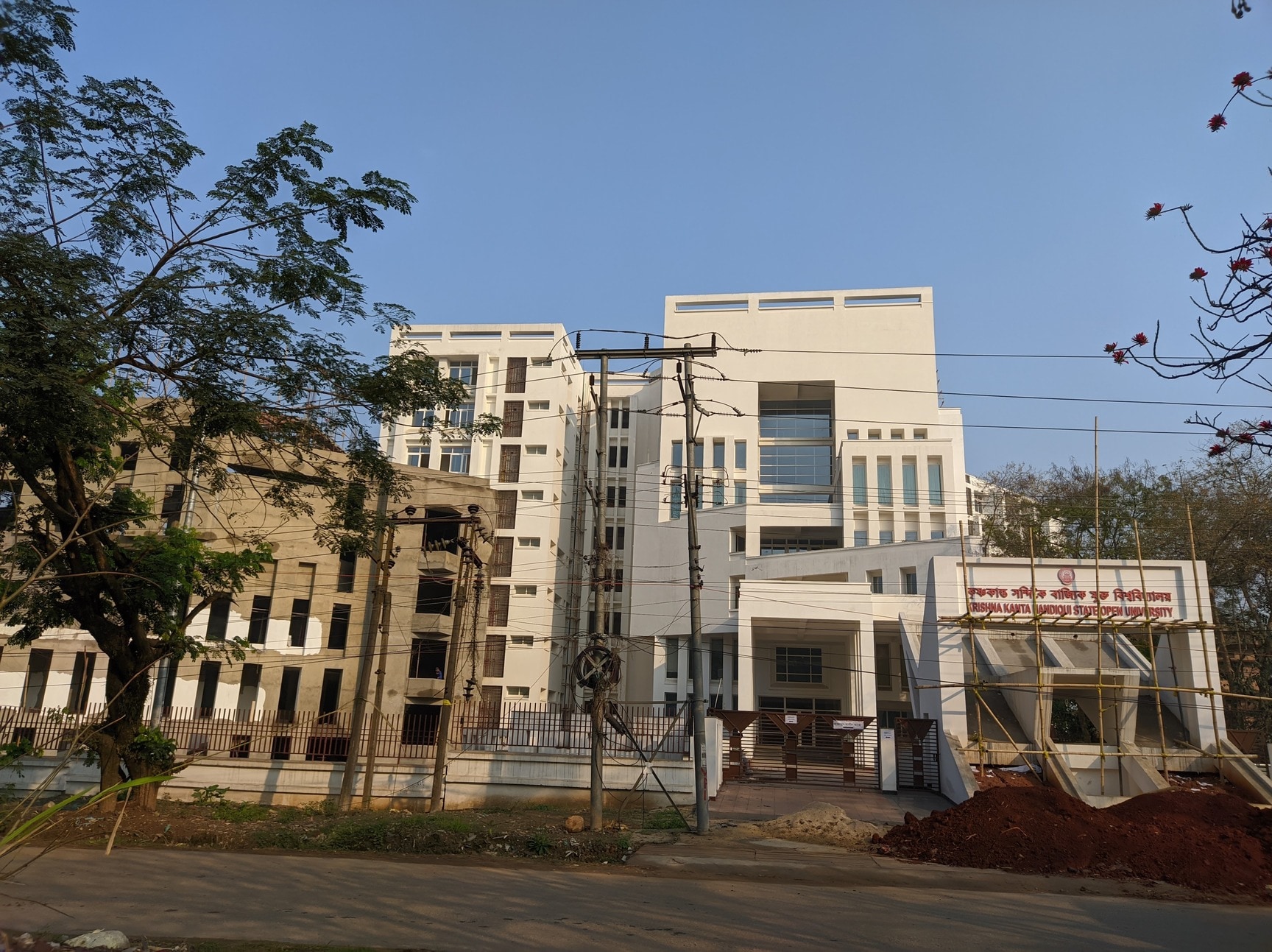
Ph.D. in Computer Science from Krishna Kanta Handique State Open University
Introduction about Ph.D. in Computer Science at Krishna Kanta Handique State Open University
Embarking on a Ph.D. in Computer Science at Krishna Kanta Handique State Open University (KKSOU) opens a pathway to cutting?edge research, academic excellence, and transformative career opportunities. Designed for ambitious professionals, this doctoral programme blends rigorous theoretical foundations with real?world problem solving, empowering scholars to become innovators in artificial intelligence, data science, cybersecurity, and beyond. Through flexible learning modes, distinguished faculty mentorship, and state?of?the?art resources, KKSOU nurtures the next generation of technology leaders.
Ph.D Admission 2026-2027 & Writing Support Services by Shiksha Research
Eligibility Criteria for Ph.D. in Computer Science at Krishna Kanta Handique State Open University
Candidates must satisfy one of the following academic qualifications:
- Master?s degree (M.Tech, MSc, MA) in Computer Science or a closely related discipline with a minimum of 55% aggregate (or CGPA 6.0 on a 10?point scale).
- Four years of full?time professional experience in a research?oriented role, accompanied by a recognized research publication.
- Direct entry through a national level entrance exam (NET/UGC) with a valid qualification.
Additionally, applicants should demonstrate proficiency in English (IELTS/TOEFL) if their prior education was not in English.
Entrance Exam for Ph.D. in Computer Science at Krishna Kanta Handique State Open University
KKSOU conducts its own entrance test, the KKSOU Ph.D. Computer Science Entrance Examination, twice a year (June & December). The exam evaluates:
- Fundamental concepts in algorithms, data structures, and operating systems.
- Advanced topics such as machine learning, distributed systems, and cryptography.
- Research aptitude through a written proposal abstract.
Candidates who possess a valid NET/UGC certification are exempted from the written test but must attend an interview.
Fee Structure for Ph.D. in Computer Science at Krishna Kanta Handique State Open University
The financial commitment is structured to be affordable for working professionals. Below is the detailed breakdown for the 2026?2027 academic session:
| Component | Amount (INR) |
|---|---|
| Admission & Registration Fee | 15,000 |
| Annual Tuition Fee (per year) | 45,000 |
| Examination & Evaluation Fee (per semester) | 5,000 |
| Laboratory & Resource Charges (one?time) | 10,000 |
| Total Estimated Cost (4 years) | 220,000 |
Candidates may avail of tuition waivers and merit?based scholarships (see the Scholarship section). The university also supports research grants for project?based funding.
Admission Process for Ph.D. in Computer Science at Krishna Kanta Handique State Open University
The admission workflow is streamlined to ensure transparency:
- Online Application: Submit the digital application form via the university portal.
- Document Upload: Attach scanned copies of academic transcripts, research proposal, and identity proof.
- Entrance Examination / NET Validation: Appear for the KKSOU entrance test or submit NET/UGC score.
- Interview: A panel of faculty members evaluates research potential and compatibility.
- Final Selection: Merit list released; successful candidates receive admission letters.
- Fee Payment: Complete payment through the university?s secure payment gateway.
Ph.D. Subjects and Specializations in Computer Science at Krishna Kanta Handique State Open University
While the core degree remains a Ph.D., students can focus on one of the following specializations:
- Artificial Intelligence & Machine Learning
- Data Science & Big Data Analytics
- Cybersecurity & Cryptography
- Distributed & Cloud Computing
- Human?Computer Interaction
- Software Engineering & Formal Methods
- Quantum Computing
Research Areas in Computer Science at Krishna Kanta Handique State Open University
The university?s research ecosystem aligns with global technological trends. Key research domains include:
- Deep Learning algorithms for healthcare diagnostics.
- Secure IoT architectures for smart cities.
- Natural Language Processing for low?resource languages.
- Blockchain solutions for supply?chain transparency.
- Edge computing and real?time analytics.
Scholars are encouraged to collaborate with industry partners and can leverage Research Paper Writing Services for manuscript preparation.
Documents Required for Ph.D. in Computer Science at Krishna Kanta Handique State Open University
Prepare the following originals and scanned copies (PDF, max 2 MB each):
| Document | Details |
|---|---|
| Academic Transcripts | All semesters of Master's degree (with grades) |
| Degree Certificate | Original and notarized copy |
| Research Proposal | 2,000?word outline with objectives and methodology |
| Entrance Exam Scorecard | KKSOU test or NET/UGC certificate |
| Identity Proof | Aadhaar, PAN, or Passport |
| Curriculum Vitae | Professional experience and publications |
| Letter of Recommendation (2) | From academic or industry mentors |
Krishna Kanta Handique State Open University Ph.D. Syllabus for Computer Science
The doctoral syllabus is modular, integrating coursework, seminars, and research milestones:
- Core Modules (Year 1): Advanced Algorithms, Research Methodology, Statistics for Data Science.
- Specialization Tracks (Year 2): Choose one of the listed specializations; complete two elective courses.
- Comprehensive Exam (End of Year 2): Written and oral assessment of foundational knowledge.
- Thesis Work (Years 3?4): Original research, publications, and final dissertation defense.
For methodological support, candidates may engage Thesis and Dissertation Writing Services to refine their thesis structure and citation style.
How To Apply for Ph.D. in Computer Science at Krishna Kanta Handique State Open University
Follow these step?by?step instructions to submit a successful application:
- Visit the official KKSOU portal and click ?Apply for Ph.D.?
- Create a user account with a valid email address.
- Complete the online application form; upload all required documents.
- Pay the non?refundable application fee (?2,000) via net banking or UPI.
- Schedule the entrance examination (or upload NET/UGC score).
- Track the status of your application through the ?My Dashboard? section.
Need assistance with data handling for your research proposal? Explore Research Data Analysis Services.








