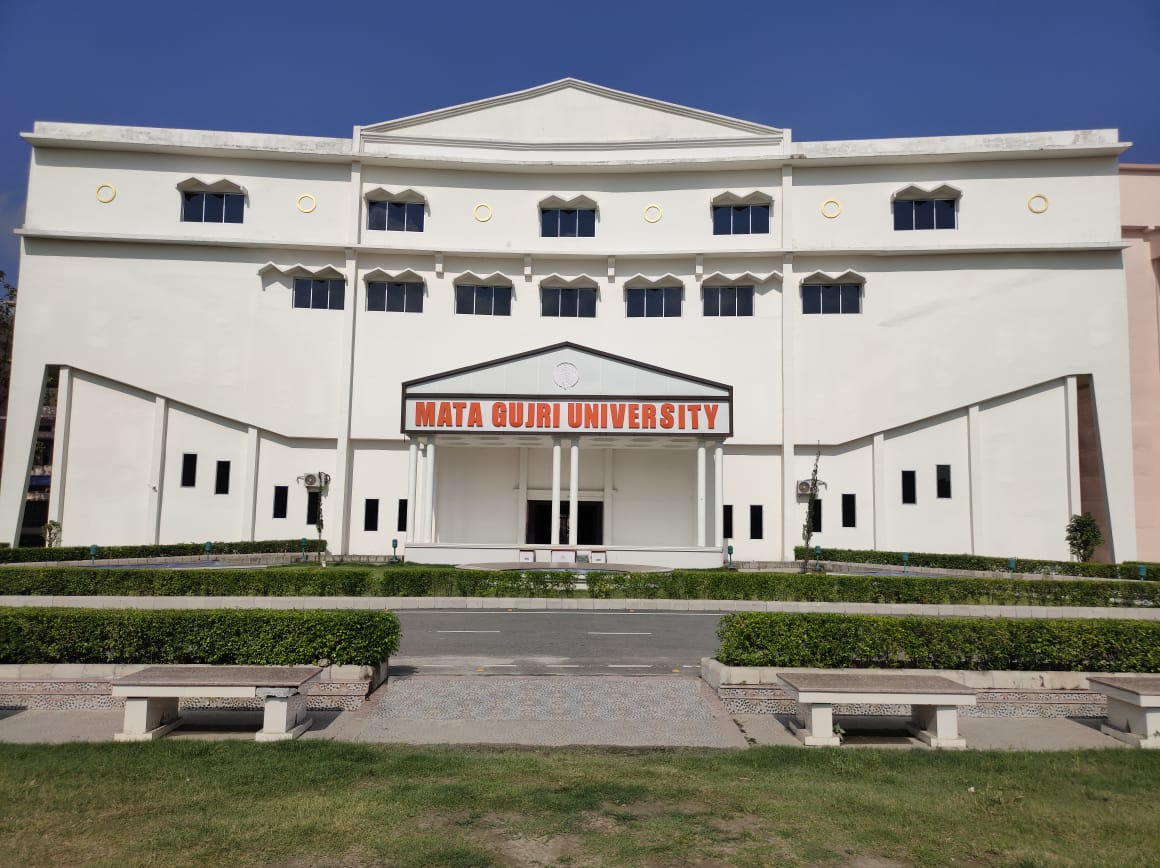
Ph.D. in Dental from Mata Gujri University: Eligibility, Entrance Exam, Fee Structure, Admission Process, Subjects, Research Areas, Syllabus, Scholarship & Career Scope
Introduction about Ph.D. in Dental at Mata Gujri University
The Doctor of Philosophy (Ph.D.) in Dental at Mata Gujri University stands as a beacon for dental professionals who aspire to lead cutting‑edge research, innovate clinical practices, and shape academic curricula. This program blends rigorous scientific inquiry with advanced clinical training, empowering candidates to become thought leaders in oral health, prosthodontics, periodontology, orthodontics, and allied dental sciences. Whether you aim to publish high‑impact papers, develop patented dental technologies, or teach future generations, this doctorate offers a platform to transform your career trajectory.
Eligibility Criteria for Ph.D. in Dental at Mata Gujri University
Prospective candidates must satisfy the following minimum requirements:
- Master’s degree (MDS, MSc, or equivalent) in Dental Sciences or a related field from a recognized university.
- Minimum aggregate of 55% (or 5.0 on a 10‑point scale) in the postgraduate program.
- Valid GATE, NEET‑PG, or university‑conducted entrance exam score (if applicable).
- Demonstrated research aptitude through publications, conference presentations, or a research proposal.
- English language proficiency – IELTS 6.0 or TOEFL 80 (only for international candidates).
Entrance Exam for Ph.D. in Dental at Mata Gujri University
The university conducts its own entrance examination, MGU‑Dental Ph.D. Entrance Test (MGU‑DPET), which evaluates:
- Fundamental concepts in dental anatomy, physiology, pathology, and biomaterials.
- Research methodology, statistics, and critical appraisal skills.
- Analytical reasoning and problem‑solving abilities.
The exam is held twice a year (June & December) and consists of 100 multiple‑choice questions, a 3‑hour duration, and a total score of 200 marks. Candidates scoring above the cutoff are eligible for the subsequent interview round.
Fee Structure for Ph.D. in Dental at Mata Gujri University
| Fee Component | Amount (INR) | Remarks |
|---|---|---|
| Application Processing Fee | 2,500 | Non‑refundable; payable online |
| Entrance Exam Fee | 5,000 | Covers test center & evaluation costs |
| Tuition Fee (per semester) | 25,000 | Four semesters per academic year |
| Laboratory & Clinical Facilities | 8,000 | Includes access to state‑of‑the‑art labs |
| Research Project Grant (optional) | 10,000 – 30,000 | Depends on project scope & sponsor |
| Miscellaneous (library, internet, etc.) | 3,500 | Annual estimate |
| Total Approx. Annual Cost | 1,20,000 – 1,30,000 | Excluding scholarships & grants |
Admission Process for Ph.D. in Dental at Mata Gujri University
- Online Registration: Fill the application form on the university portal, upload scanned documents, and pay the processing fee.
- Entrance Examination: Appear for MGU‑DPET on the scheduled date. Admit cards are issued 15 days prior.
- Shortlisting & Interview: Candidates clearing the cutoff are invited for a personal interview and research proposal presentation.
- Final Selection: Admission offers are sent via email, followed by a formal acceptance and fee payment.
- Enrollment: Submit original certificates, sign the declaration form, and receive your university ID.
Ph.D. Subjects and Specializations in Dental at Mata Gujri University
The doctorate offers a diverse range of specializations tailored to emerging trends in oral health:
- Oral & Maxillofacial Pathology
- Periodontology and Implantology
- Prosthodontics and Dental Materials
- Orthodontics and Dentofacial Orthopedics
- Public Health Dentistry
- Oral Microbiology and Immunology
- Dental Informatics and Tele‑Dentistry
Research Areas in Dental at Mata Gujri University
Faculty mentors guide scholars through high‑impact research avenues, including:
- Regenerative dentistry using stem cell technology.
- Nanomaterials for enhanced restorative procedures.
- Biomechanical analysis of prosthetic devices.
- Genetic predisposition to periodontal diseases.
- Digital workflow integration (CAD/CAM, 3D printing).
- Oral cancer biomarkers and early detection methods.
- Community‑based oral health interventions.
Documents Required for Ph.D. in Dental at Mata Gujri University
| Document | Details |
|---|---|
| Academic Transcripts | Original & certified copies of BDS and MDS degrees. |
| Entrance Exam Scorecard | GATE/NEET‑PG or MGU‑DPET result. |
| Research Proposal | 500‑word synopsis outlining objectives, methodology, and expected outcomes. |
| Curriculum Vitae | Professional experience, publications, and conferences. |
| Letter of Recommendation (2) | From academicians familiar with your research potential. |
| Proof of Identity | Aadhaar card, passport, or driving license. |
| English Proficiency Certificate | IELTS/TOEFL (if applicable). |
Mata Gujri University Ph.D. Syllabus for Dental
The curriculum spans two years of coursework followed by a research phase. Core modules include:
- Advanced Dental Anatomy & Histology
- Research Methodology and Biostatistics
- Clinical Trials Design and Ethics
- Emerging Technologies in Dentistry
- Seminars on Current Dental Literature
- Thesis Writing and Publication Strategies
Elective courses allow personalization, such as “Digital Imaging in Dentistry” or “Dental Public Health Policy”. The final dissertation must contribute original knowledge and be defended before a panel of experts.
How To Apply for Ph.D. in Dental at Mata Gujri University
Follow these step‑by‑step instructions to submit a successful application:
- Visit the official Mata Gujri University Ph.D. Dental portal and create a user account.
- Enter personal details, academic history, and upload required documents (PDF format, max 5 MB each).
- Pay the non‑refundable processing fee using credit/debit card or net banking.
- Schedule your MGU‑DPET slot, download the admit card, and appear for the examination.
- After clearing the cutoff, upload a refined research proposal and submit it for interview scheduling.
- Confirm admission by paying the first semester tuition fee within the stipulated deadline.
Career Scope and Job Opportunities After Ph.D. in Dental from Mata Gujri University
Graduates enjoy an expansive career landscape:
- Academic Positions: Assistant/Associate Professor, Department Head, or Dean in dental colleges.
- Research Scientist: Roles in government labs (ICMR, CSIR), private R&D centers, or international institutes.
- Clinical Specialist: Lead clinician in tertiary hospitals, private super‑specialty clinics, or dental corporates.
- Industry Consultant: Dental product development, quality assurance, and regulatory affairs.
- Entrepreneurial Ventures: Founding startups focused on dental tech, tele‑dentistry platforms, or biotech solutions.
With a Ph.D., you can also secure funding for large‑scale projects, author high‑impact journal articles, and file patents that shape the future of oral health care.
Scholarship for Ph.D. in Dental at Mata Gujri University
Merit‑based and need‑based scholarships are available to alleviate financial constraints:
- University Merit Scholarship: Covers up to 50% of tuition for top 10% of candidates.
- National Fellowship (UGC‑JRF / CSIR‑ST): Provides a monthly stipend and research grant.
- Industry Sponsored Scholarships: Partnerships with leading dental companies offer full tuition waivers and project funding.
- Women Empowerment Grant: Special financial aid for female researchers.
Applicants are encouraged to explore these options early, as many scholarships have separate application deadlines.
FAQs Regarding Ph.D. in Dental at Mata Gujri University
- Q: What is the minimum duration to complete the Ph.D. in Dental?
- A: The program is structured for a minimum of 3 years, including coursework (2 years) and dissertation (1 year). Extensions are granted based on research progress.
- Q: Can I pursue the Ph.D. part‑time while working?
- A: Yes, Mata Gujri University offers a part‑time track with flexible class schedules and extended timelines.
- Q: Is there a provision for publishing my dissertation in indexed journals?
- A: Absolutely. The university’s <a href








