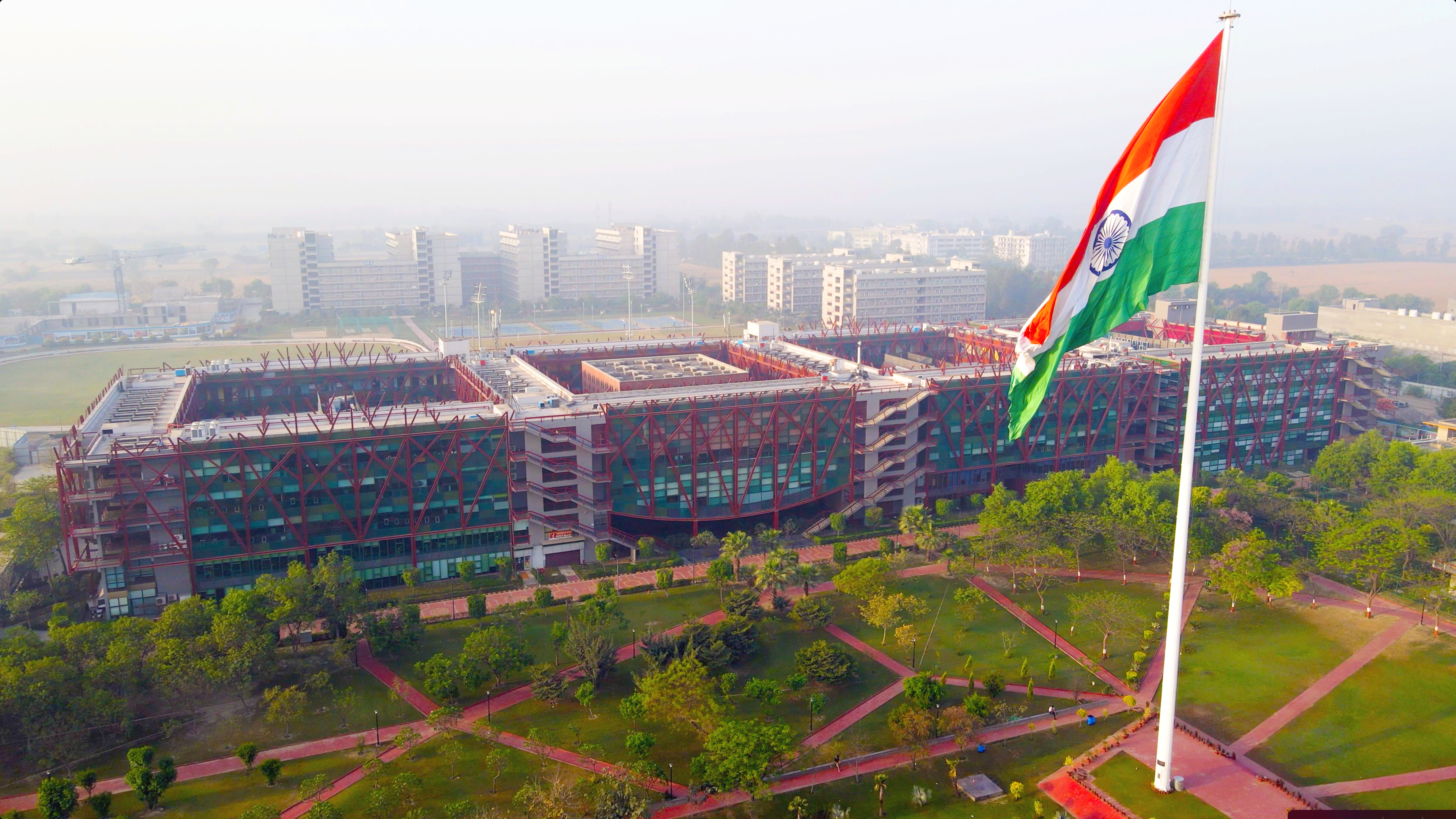
Introduction about Ph.D. in Design at O.P. Jindal Global University
The pursuit of a Ph.D. in Design at O.P. Jindal Global University (JGU) is more than just an academic journey; it is a visionary leap into the future of innovation, aesthetics, and problem-solving. In an era where design thinking governs the success of global industries, JGU offers a rigorous research environment that empowers professionals to transcend traditional boundaries. The Jindal School of Art and Architecture (JSAA) provides a vibrant, interdisciplinary ecosystem where rigorous inquiry meets creative expression. Whether you are looking to redefine urban landscapes, innovate digital interfaces, or pioneer sustainable materials, this program offers the intellectual scaffolding required to lead the next generation of designers and researchers. Navigating the complexities of advanced research can be daunting, but with professional PhD Admission Assistance, your dream of joining this prestigious institution is within reach.
Ph.D Admission 2026-2027 & Writing Support Services by Shiksha Research
This doctoral program is meticulously crafted for thinkers who aren't afraid to challenge the status quo. It encourages an exploration of design as a sociocultural, economic, and technological force. By integrating global perspectives with local nuances, O.P. Jindal Global University ensures that its doctoral candidates are prepared to address the most pressing challenges of the 21st century through design-led innovation.
Eligibility Criteria for Ph.D. in Design at O.P. Jindal Global University
To maintain the highest standards of academic excellence, the eligibility criteria for the Ph.D. in Design are designed to identify candidates with significant intellectual potential and a proven track record. Applicants must generally meet the following requirements:
- A Master?s degree in Design (M.Des.), Architecture (M.Arch.), Fine Arts (MFA), or a related field from a recognized university.
- A minimum of 55% aggregate marks or an equivalent grade (CGPA) in the qualifying Master?s degree. A relaxation of 5% may be applicable for candidates from reserved categories as per UGC guidelines.
- Candidates with a Bachelor?s degree in Design or Architecture with exceptionally high grades and substantial professional experience may be considered in specific cases.
- Professional work experience in design firms, research labs, or academia is highly valued and can significantly bolster an application.
Entrance Exam for Ph.D. in Design at O.P. Jindal Global University
Admission to the Ph.D. program is competitive and merit-based. The university utilizes a multi-layered screening process to ensure only the most dedicated researchers are admitted:
- Jindal Research Aptitude Test (RAT): This is the primary entrance exam conducted by the university. It tests the candidate's analytical skills, logical reasoning, and fundamental knowledge of design principles.
- UGC-NET / JRF / CSIR: Candidates who have qualified for national-level fellowships or exams such as the UGC-NET (including JRF) are often exempted from the university?s written entrance test, though they must still undergo the interview process.
- Design Portfolio Review: For design-centric research, the university may review a portfolio showcasing the candidate?s previous projects and creative achievements.
Fee Structure for Ph.D. in Design at O.P. Jindal Global University
Investing in a Ph.D. at O.P. Jindal Global University is an investment in global recognition and high-level expertise. The fee structure is transparent and designed to reflect the world-class facilities provided to researchers.
| Component | Details / Estimated Amount (INR) |
|---|---|
| Application Fee | ?1,000 - ?3,000 (Non-refundable) |
| Admission Fee | ?20,000 - ?50,000 (One-time) |
| Full-Time Tuition Fee | ?2,50,000 - ?3,50,000 per annum |
| Part-Time Tuition Fee | Variable based on residency requirements |
| Security Deposit | Refundable after completion of the program |
Note: Fees are subject to annual revision by the university management. Please check the official portal for the latest updates.
Admission Process for Ph.D. in Design at O.P. Jindal Global University
The admission process at JGU is designed to be comprehensive and holistic, focusing on the candidate's research vision. Success in this phase often requires meticulous planning, specifically regarding PhD Topic Selection and Proposal Assistance to ensure your research goals align with the university's expertise.
- Step 1: Online Registration: Fill out the detailed application form on the JGU official website.
- Step 2: Submission of Research Proposal: A preliminary research proposal highlighting the problem statement, objectives, and methodology is required.
- Step 3: Entrance Examination: Shortlisted candidates appear for the RAT or provide proof of NET/JRF qualification.
- Step 4: Personal Interview: Candidates are invited to present their research ideas before a panel of experts. This stage assesses the candidate's depth of knowledge and passion for the subject.
- Step 5: Final Selection: Admission offers are extended based on a cumulative score of the entrance exam, interview, and previous academic performance.
- Step 6: Enrollment: Successful candidates complete the document verification and fee payment to secure their seat.
Ph.D. Subjects and Specializations in Design at O.P. Jindal Global University
JGU encourages a diverse range of specializations under the Design umbrella, allowing scholars to carve out their unique niche in the industry. Popular specializations include:
- Visual Communication: Focusing on narrative building, typography, and digital media.
- Sustainable Design: Researching eco-friendly materials and circular economy models.
- Human-Computer Interaction (HCI): Exploring the intersection of design and technology for better user experiences.
- Urban Design and Planning: Investigating the future of smart cities and community-centric architecture.
- Fashion and Textile Design: Looking at technological integration and heritage preservation in textiles.
- Design Management: Analyzing the business impact and strategy behind design decisions.
Research Areas in Design at O.P. Jindal Global University
Research at JGU is characterized by its relevance to global trends and its potential for real-world impact. The university provides an infrastructure that supports deep inquiry into complex themes. This is also where scholars can seek Patent Filing and Support Services if their design innovations lead to unique intellectual property.
- Integrative Design for Wellness and Healthcare.
- Social Design and Community Empowerment through Creative Interventions.
- Augmented and Virtual Reality (AR/VR) in Educational Design.
- Traditional Craft Revival and Modern Industry Integration.
- Ergonomics and Product Safety and Design Standards.
- Critical Design and speculative futures.
Documents Required for Ph.D. in Design at O.P. Jindal Global University
Ensure you have the following documents ready to facilitate a smooth application process:
- Scanned copies of academic transcripts (Master?s and Bachelor?s).
- Updated Curriculum Vitae (CV) highlighting professional achievements.
- A comprehensive Statement of Purpose (SOP).
- A detailed Research Proposal (approx. 2000 words).
- Experience Certificates (if applicable).
- Two letters of recommendation (Academic and/or Professional).
- Valid ID Proof (Aadhar Card, Passport, or Voter ID).
- Category Certificate (if seeking reservation or fee relaxation).
O.P. Jindal Global University Ph.D. Syllabus for Design
The first year of the Ph.D. program is dedicated to rigorous coursework designed to equip scholars with the necessary tools for high-level research. The syllabus typically includes:
- Research Methodology: Quantitative, Qualitative, and Mixed-methods research approaches specifically for Design.
- Advanced Design Theory: Studying the evolution of design philosophy and contemporary schools of thought.
- Professional Ethics in Research: Understanding plagiarism, copyrights, and ethical data collection.
- Academic Writing and Seminar: Developing the skills to publish in high-impact journals.
- Core Specialization Classes: Subject-specific modules based on the chosen area of research.
- Literature Review: Guided sessions to identify gaps in existing design literature.
How To Apply for Ph.D. in Design at O.P. Jindal Global University
Ready to embark on this transformative journey? Follow these steps to apply:
- Visit the O.P. Jindal Global University Official website and go to the 'Admissions' tab.
- Select the 'Jindal School of Art and Architecture' and find the Ph.D. in Design section.
- Create an account on the JGU ERP portal.
- Upload all necessary documents and the initial research proposal.
- Pay the application fee online through the integrated payment gateway.
- Keep a copy of the submitted application and transaction receipt for future reference.
Career Scope and Job Opportunities After Ph.D. in Design from O.P. Jindal Global University
Graduating with a Ph.D. from JGU opens doors to elite positions in both corporate and academic worlds. Professionals often find that their advanced research creates a path toward leadership roles where they can influence policy and industry standards. To maximize the impact of your research after graduation, obtaining Research Publication Support is vital to getting your findings circulated in top-tier international journals.
Potential career paths include:
- Senior Design Strategist: Leading innovation teams in Fortune 500 companies.
- Academic Professor: Shaping the minds of future designers at world-class universities.
- R&D Lead: Driving product innovation in technology or manufacturing firms.
- Design Consultant: Providing high-level advisory services for urban planning and government projects.
- UX Research Director: Overseeing complex user experience labs for global tech giants.
Scholarship for Ph.D. in Design at O.P. Jindal Global University
O.P. Jindal Global University is committed to fostering a culture of research that is accessible to the brightest minds. Various financial aids and scholarships are available:
- University Research Fellowships: Full-time scholars may be eligible for a monthly stipend and a tuition fee waiver based on their performance and entrance scores.
- Teaching Assistantships: Scholars can support faculty in undergraduate programs, gaining valuable teaching experience while receiving financial support.
- Corporate Sponsored Research: Specific projects funded by industry partners may offer full funding for doctoral candidates.
- External Funding: Candidates with JRF/NET are encouraged to apply, as they receive the stipend directly from the UGC.
In addition to standard scholarships, established leaders in the field with lifelong contributions may also explore highly prestigious avenues like Honorary Doctorate Programs if they meet the criteria for extraordinary professional achievement.
FAQs Regarding Ph.D. in Design at O.P. Jindal Global University
1. Can I pursue a Ph.D. in Design part-time?
Yes, JGU offers a part-time Ph.D. option tailored for working professionals, allowing them to balance their industry commitments with their research goals, provided they meet the university's residency requirements.
2. Is there an age limit for the program?
No, O.P. Jindal Global University believes in lifelong learning and does not impose a strict age cap on doctoral aspirants.
3. How important is the research proposal during the application?
The proposal is critical as it demonstrates your ability to identify a relevant problem and your preparedness to solve it. Using professional Editing and Proofreading Services for your proposal ensure it is polished and persuasive.
4. Does JGU provide lab facilities for design research?
Yes, JGU has state-of-the-art design studios, fabrication labs, and digital libraries that provide all the necessary tools for high-level experimental and theoretical research.
5. What is the typical duration of the program?
A full-time Ph.D. in Design typically takes between 3 to 5 years. This includes the initial coursework phase followed by independent research and the final thesis submission.








